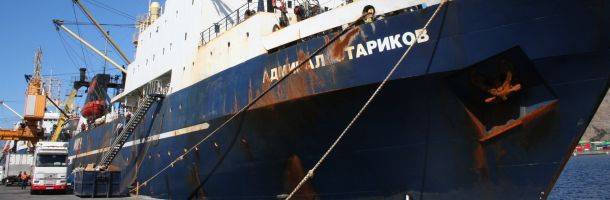
This week, the EU pulled its fleet out of Western Sahara, a territory largely occupied by Morocco. The Russian industrial trawlers should follow the European example, Western Sahara Resource Watch (WSRW) demanded today. Press release, WSRW, 16 Dec 2011.
WSRW, an organisation defending the Saharawi people’s right to their own resources, today urged the Russian government to “immediately follow the example of the EU and pull its trawlers out of occupied Western Sahara”.
WSRW has been working to stop the EU fleet in Western Sahara for the last five years. Now, the main player in the waters off Western Sahara is the Russian government.
The Russian fisheries agreement in Western Sahara accounts for 100.000 tonnes annually. Their trawlers, mainly from the northern Russian city of Murmansk, have been zigzagging the Saharan waters since a new Russian-Agreement was signed earlier this year.
“The peculiar thing is that the Russian and Moroccan governments are together breaking their own agreement. The fleet is clearly fishing outside of the waters that the agreement applies to”, stated spokesperson Sara Eyckmans of WSRW.
Eyckmans underlined that Article 1 of the Russian-Moroccan agreement specifies that it applies to “the Atlantic part of the Exclusive Economic Zone (EEZ) of the Kingdom of Morocco”. However, the Western Sahara waters are not part of the Moroccan EEZ.
“Contrary to the Saharawi Arabic Democratic Republic, Morocco has never even laid a maritime claim over those waters”, stated WSRW in a letter to President Medvedev today.
The letter also urged the Russian government to explain which measures have been taken to guarantee that the Saharawi people has been properly consulted prior to the signing of the renewed Fisheries Agreement and how they’ve expressed their consent to the accord.
An evaluation of the European Commission of the EU fisheries in Western Sahara concluded that the fish stocks of Western Sahara are currently under threat by the fisheries industry. Furthermore, the European Parliament’s legal service concluded such fisheries to be in violation of international law.
WSRW has fought against the EU fisheries agreement in Western Sahara for years. Now Russia, through its massive fisheries cooperation, stands to be the most important player in occupied territory.


.
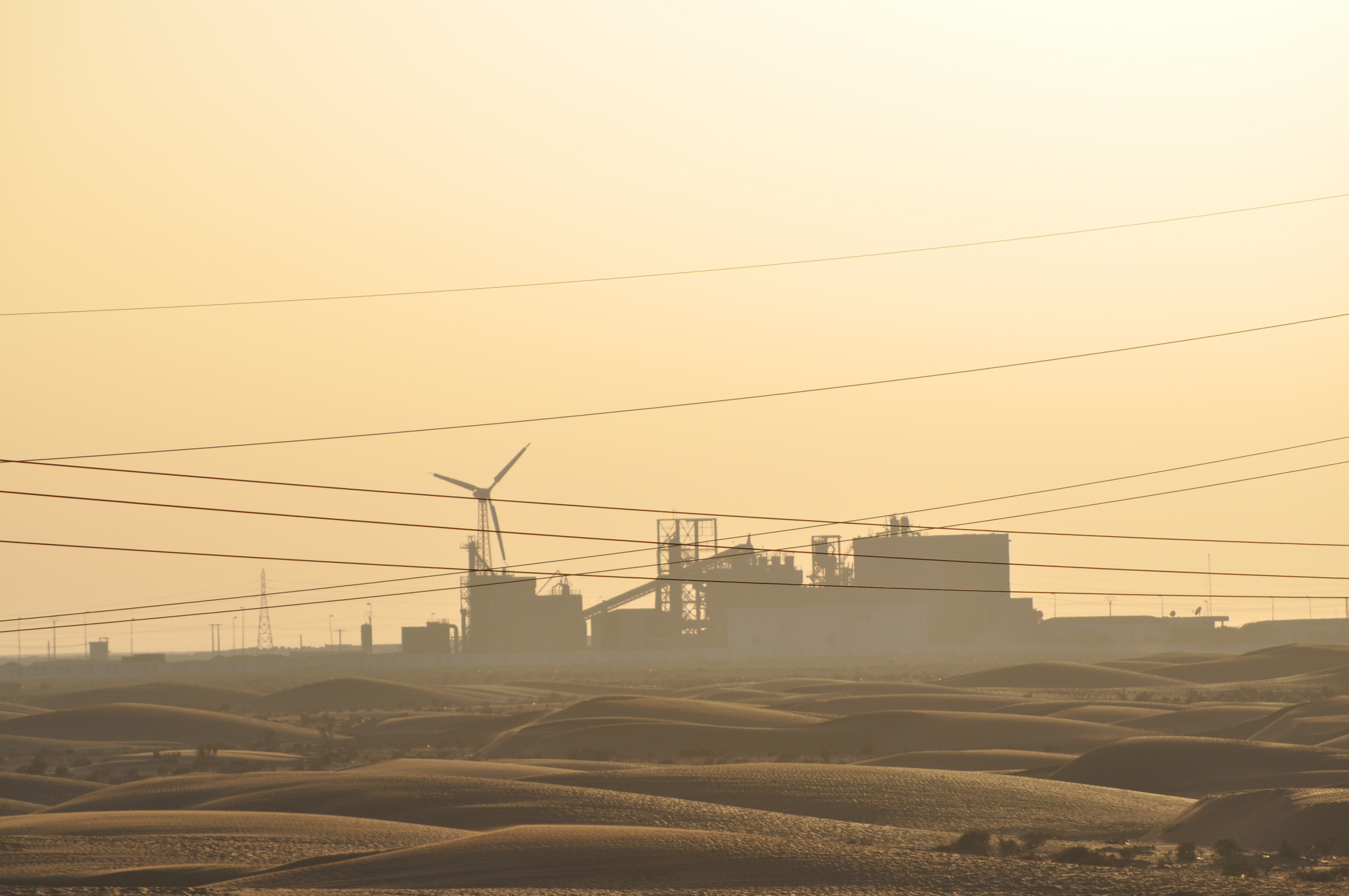
Heidelberg Materials deepens its role in Morocco’s occupation of Western Sahara
The German company confirms once again that its operations in occupied Western Sahara are closely tied to Morocco’s infrastructure expansion in the territory - while continuing to dismiss the Saharawi people’s right to consent.

The conflict phosphates - four decades of plunder
For over 40 years, a Moroccan state-owned company has exported phosphate rock from occupied Western Sahara.
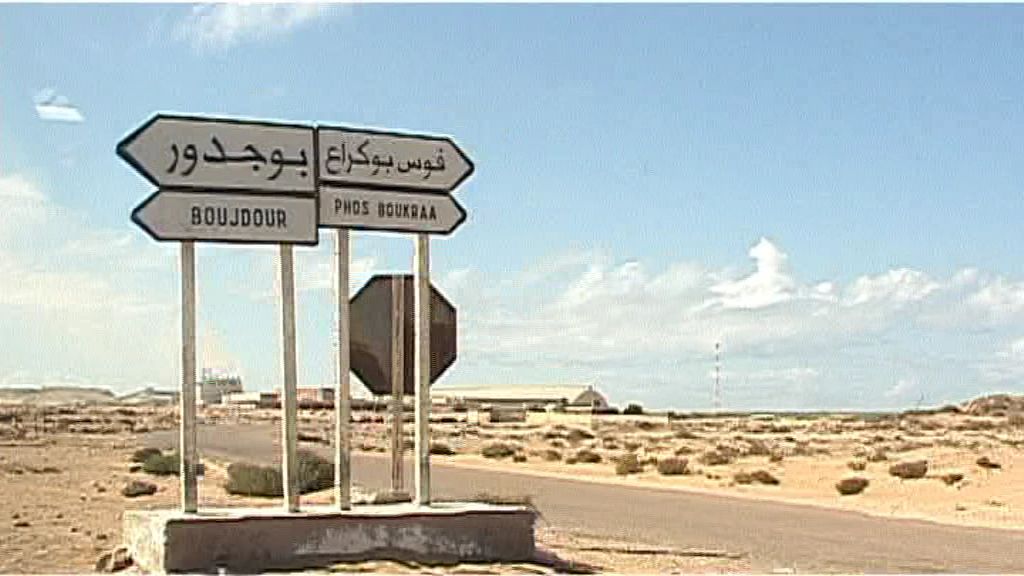
Record low number of importers of Western Sahara phosphates
Only three companies imported phosphate rock from occupied Western Sahara in 2025 - the lowest number ever recorded. The findings appear in our annual P for Plunder report, released today.

One of the richest coastlines in the world
The fish stocks of occupied Western Sahara have not only attracted the interest of the Moroccan fleet: other foreign interests are also fishing in the occupied waters through arrangements with Moroccan counterparts. Along the Western Saharan coastline, a processing industry has emerged.