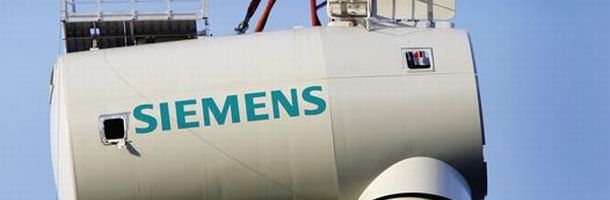
Responsible Investor - Siemens, the German industrial giant, is facing scrutiny from environmental, social and governance (ESG) research house GES Investment Services over a wind farm project in the disputed Western Sahara.
Responsible Investor
By Jan Wagner
16 April 2012
Siemens, the German industrial giant, is facing scrutiny from environmental, social and governance (ESG) research house GES Investment Services over a wind farm project in the disputed Western Sahara region of Morocco.
Following media reports, GES is looking to see whether the project violates the human rights of the indigenous Saharawi people.
Under a deal with Nareva Holding, the renewables and energy arm of Moroccan industrial and financial group ONA, Siemens is installing a total of 44 wind turbines, with 100MW capacity, at two sites in Morocco.
The first is at Haouma, 30km from Tangiers. The other is at Foum El Oued in the disputed southern part of the country.
Yet according to a report in News Times Africa, the indigenous Saharawis did not sanction the latter project, as is required by international law.
“Nareva has no right to strike deals in our illegally occupied land because it is dealing in something that it does not own,” the report quoted Abba Malainin from the Western Sahara liberation front, Polisario, is saying.
It has prompted GES, which advises several big Scandinavian pension funds, to investigate Siemens’ role in the projects.
“A central question is whether the activity is in line with the interests, needs and wishes of the people of Western Sahara,” said GES Senior Engagement Manager Tytti Kaasinen. The wind farms are being developed under the Clean Development Mechanism, which has faced criticism in the past over abuses of land and human rights.
“The fact that the deal involves renewable energy does not mean that it is automatically good for the local people, if they accrue no benefits from it or are against such activity on their land,” Kaasinen added. GES will now seek more details from the company.
Contacted by Responsible Investor, Siemens insisted the project was fully legal. “It does not infringe on the rights of self-determination or any other human rights in public international law,” the German firm said in a statement.
Siemens also pointed to the many benefits of the project, saying it would reduce greenhouse gas emissions from the Western Sahara while providing new technology, economic development and, indirectly, jobs for the local population.
Investors, for example the giant Norwegian Government Pension Fund, have excluded mining companies FMC Corp. and Canada’s Potash Corp. of Saskatchewan over their involvement in the Western Sahara.
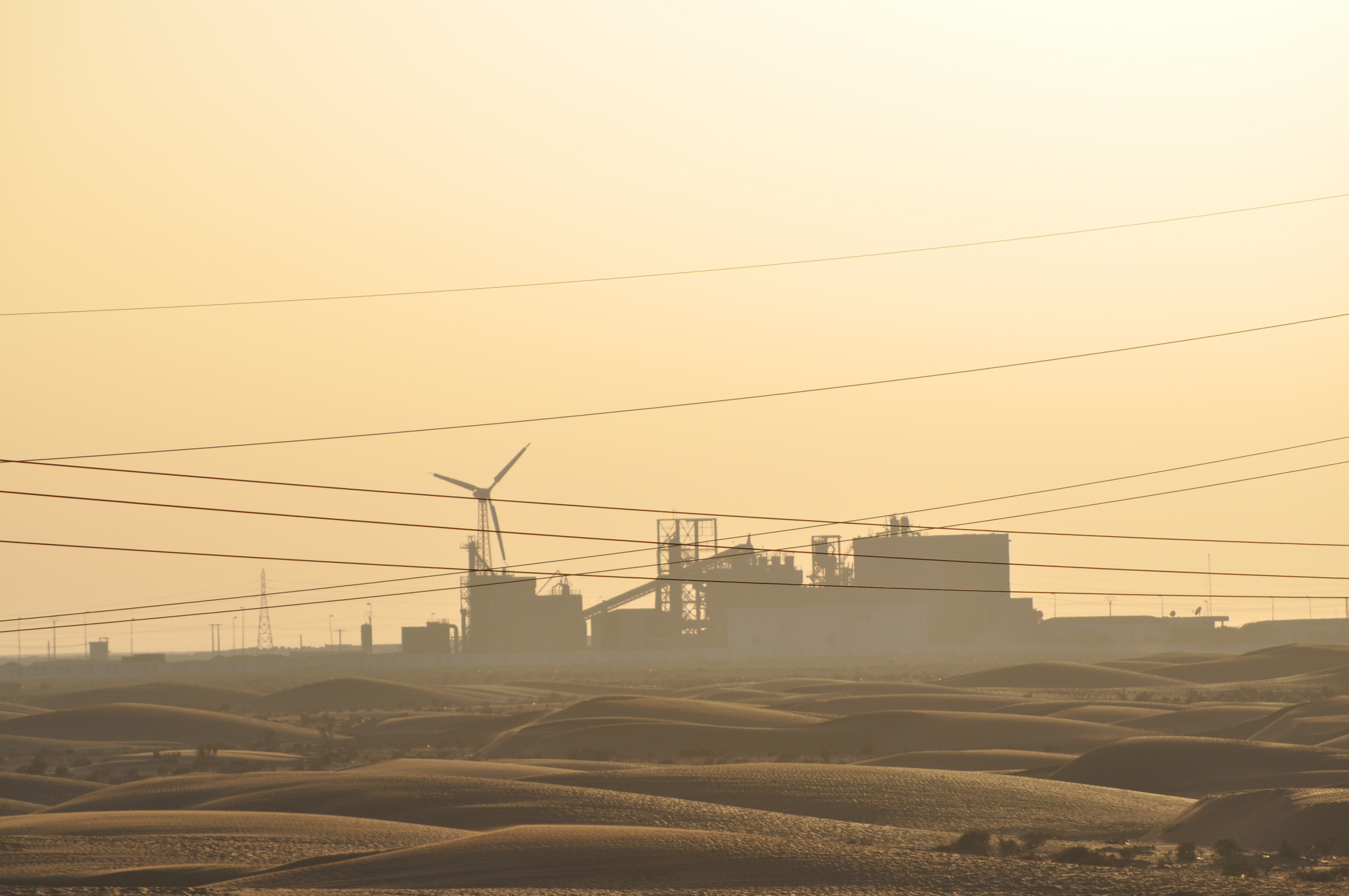
Heidelberg Materials deepens its role in Morocco’s occupation of Western Sahara
The German company confirms once again that its operations in occupied Western Sahara are closely tied to Morocco’s infrastructure expansion in the territory - while continuing to dismiss the Saharawi people’s right to consent.

The conflict phosphates - four decades of plunder
For over 40 years, a Moroccan state-owned company has exported phosphate rock from occupied Western Sahara.
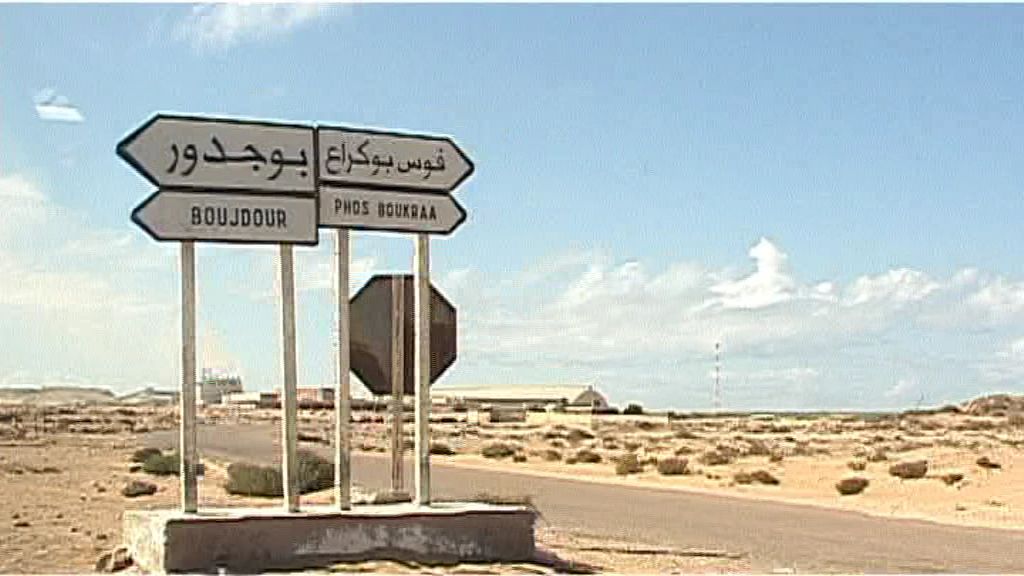
Record low number of importers of Western Sahara phosphates
Only three companies imported phosphate rock from occupied Western Sahara in 2025 - the lowest number ever recorded. The findings appear in our annual P for Plunder report, released today.

One of the richest coastlines in the world
The fish stocks of occupied Western Sahara have not only attracted the interest of the Moroccan fleet: other foreign interests are also fishing in the occupied waters through arrangements with Moroccan counterparts. Along the Western Saharan coastline, a processing industry has emerged.