The first article of the Russia-Morocco fisheries agreement states that it will apply to the “Atlantic part of the Exclusive Economic Zone of the Kingdom of Morocco”. The first appendix further defines the fishing areas as situated south of the 28°00’ parallel of north. The text makes no reference to any southern limit to the fishing zones. The text does stipulate that the exact coordinates of the areas where fishing is allowed are specified in the fishing licenses.
This is evident from a translation done by WSRW of the agreement between the two countries. Read the original Russian version here, and WSRW's new unofficial English translation.
In return for access, the Russian government pays an annual financial compensation of $ 5 million. Shipowners are to pay for their fishing license, as well as an annual fee for any commercial opportunities.
However, ever since the four year agreement was inked, WSRW has observed Russian vessels fishing in the waters of Western Sahara – which are not part of Morocco’s Exclusive Economic Zone. The Moroccan government has never even claimed the EEZ of the Western Saharan waters. It would not even be able to do so under the UN Convention on the Law of the Sea, of which it became a member state in 2007.
The Russian government is consequently funding the Moroccan treasury for access to the waters adjacent to occupied Western Sahara, which do not fall under Morocco's sovereignty. The right to determine the future status of both the land and waters of Western Sahara lies with the Saharawi people, whose most fundamental rights are continuously trampled on by Morocco, backed by international commercial interests. Only last week, Morocco's ferocious lobbying could convince some countries on the Security Council, including Russia, to oppose the USA's proposal to have the UN monitor human rights in Western Sahara.
So far, WSRW has discovered 10 Russians trawlers in the waters of the occupied territory – the exact number of vessels allowed to fish under the agreement. A total catch quota of 100.000 tonnes of small pelagic species has been accorded for the first year. The text breaks the quota down to the following percentages: 30% of the catch should be sardine and sardinella, 65% - mackerel, horse mackerel and anchovy, and 5% is given by-catch.
The Russian vessels will take at least 16 Moroccan fishermen on board, up from 14 under the previous deal. In addition, the vessels are obliged to have a Moroccan scientific observer on board, checking compliance with the terms of the agreement. A permanent positioning satellite system follows the vessels’ every move to make sure they only fish where Morocco allows them to; in occupied waters.
But the agreement doesn’t only cover fisheries. It also provides for cooperation in the fields of scientific research, engineering and technology, as well as in areas as shipbuilding and fish processing. At the request of Morocco, Russia will facilitate the supply of small pelagic fish species caught by the Russian vessels to Moroccan fish processing enterprises. According to Russian media, Rabat is interested in attracting Russian investment to the fishing industry.
Both countries will also cooperate with regard to aquaculture, for which the Russians will supply the know-how and methods. Russia also agreed to provide scholarships for "Moroccan citizens" to train them in marine fisheries.
The previous fisheries agreement between Morocco and Russia ended in June 2012. The current agreement signed on 13 February 2013, at the Halieutis conference in Agadir, Morocco. Russian vessels had been fishing in the Moroccan and Saharawi waters since December 2012, on the basis of a memorandum for an agreement signed that time.
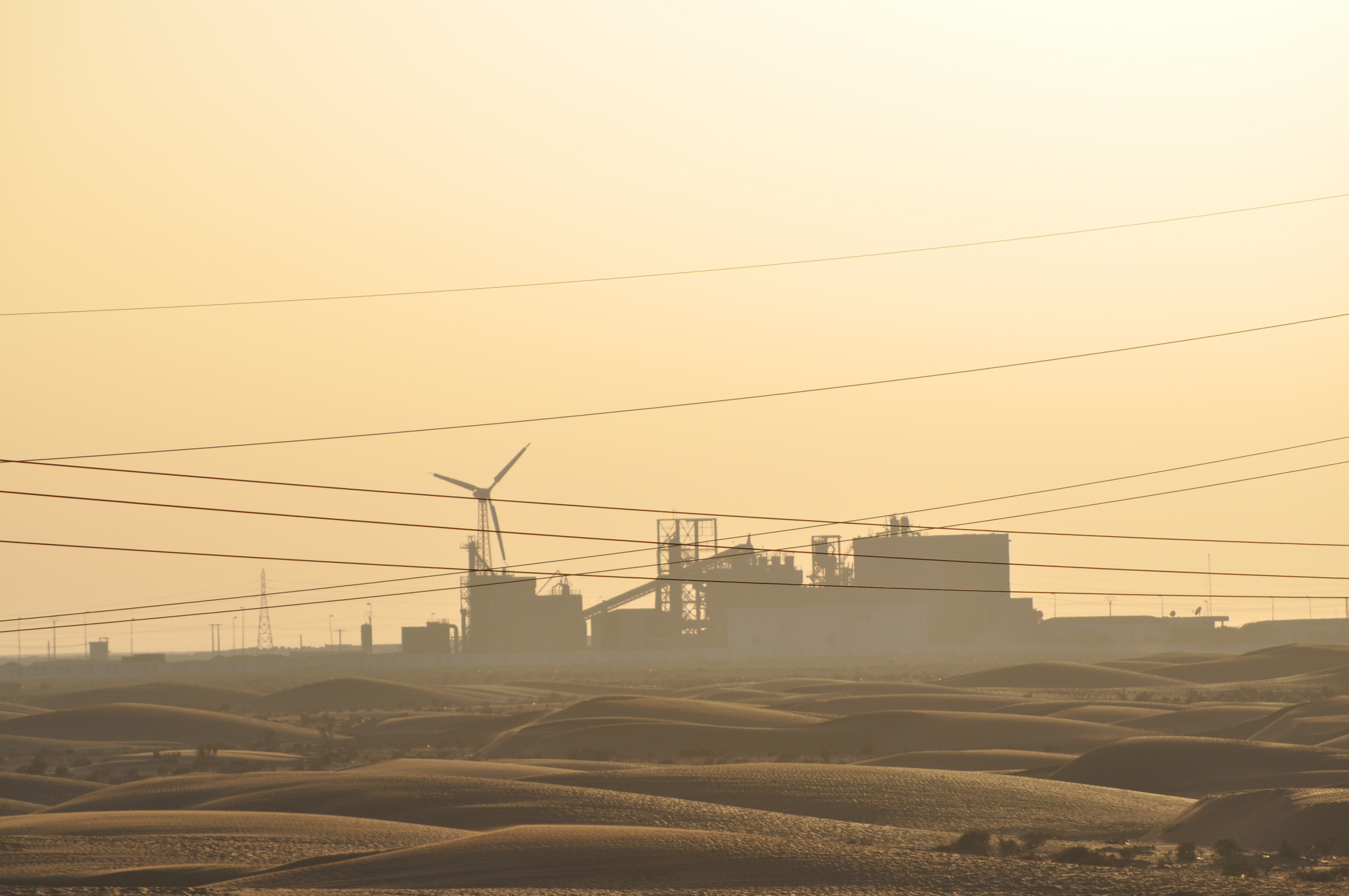
Heidelberg Materials deepens its role in Morocco’s occupation of Western Sahara
The German company confirms once again that its operations in occupied Western Sahara are closely tied to Morocco’s infrastructure expansion in the territory - while continuing to dismiss the Saharawi people’s right to consent.

The conflict phosphates - four decades of plunder
For over 40 years, a Moroccan state-owned company has exported phosphate rock from occupied Western Sahara.
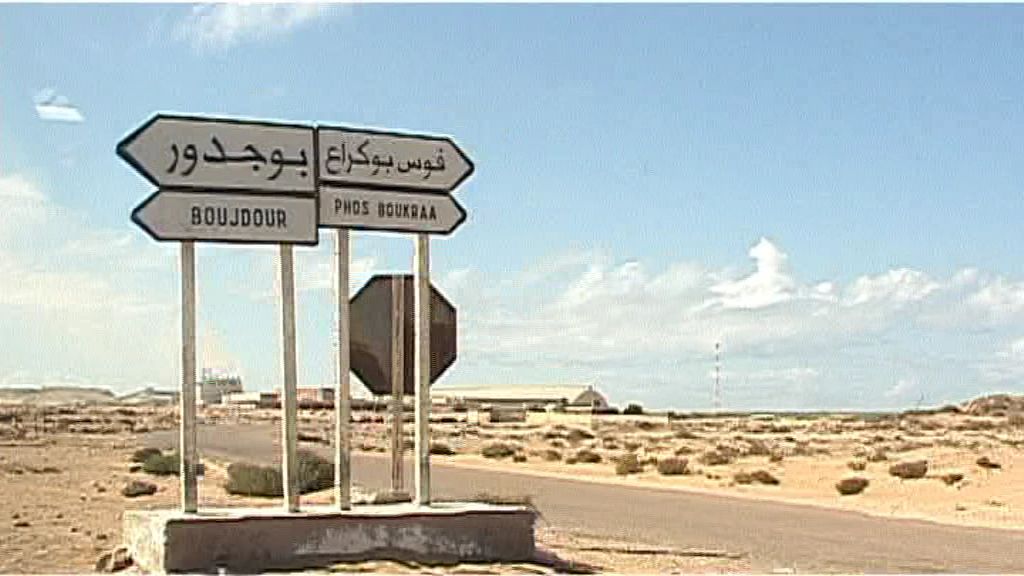
Record low number of importers of Western Sahara phosphates
Only three companies imported phosphate rock from occupied Western Sahara in 2025 - the lowest number ever recorded. The findings appear in our annual P for Plunder report, released today.

One of the richest coastlines in the world
The fish stocks of occupied Western Sahara have not only attracted the interest of the Moroccan fleet: other foreign interests are also fishing in the occupied waters through arrangements with Moroccan counterparts. Along the Western Saharan coastline, a processing industry has emerged.