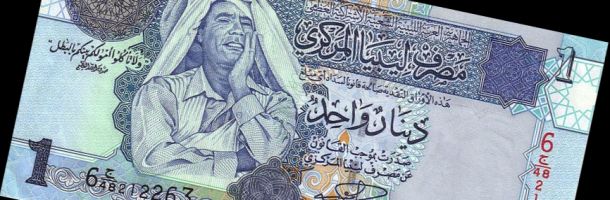
Muammar Gaddafi’s firm Tamoil had big plans in occupied Western Sahara in partnership with the Moroccan government.
A firm called Tamoil Assakia (also known under name Tamoil Sakia), in 2007 or 2008 signed one or several agreements with the Moroccan government. This firm is controlled by Tamoil Africa Holdings Limited, which manages the Tamoil Group’s investments on the African continent.
Tamoil Africa Holdings Limited (a.k.a. Oil Libya Holding Company) is in turn a subsidiary of the Libyan Africa Investment Portfolio. Since these firms are considered a potential source of funding for the Muammar Gaddafi regime, they are since recently subjected to UN and EU sanctions.
The partnership between the now sanctioned Libyan company and the Moroccan government were on two fronts. First, Tamoil agreed to set up a network of 50 petrol stations and storage facilities in Western Sahara, for a cost of 77 million dollars.
According to the Moroccan weekly La Vie Eco, 25 July 2008, the project would cover infrastructure “in the cities of El Aaiun, Boujdour and Dakhla for a value of one billion dirham”. The three cities lie in the territory that Morocco occupied in 1975. The agreement is also mentioned in an October 2008 report on the main achievements of the Moroccan Ministry of Mines and Energy.
Oil exploration
More interestingly, in addition to building petrol infrastructure, the partnership seemingly also covered oil exploration. Such activity is in violation of international law, according to the UN. Tamoil Assakia “envisages to invest in offshore and onshore oil exploration”, the Moroccan government webpages stated in 2008.
Several media, such as Spanish news service Capital News, reported that 100-150 million dollars would be invested by the Libyans in the oil programme.
The company “envisaged to invest between 100 and 150 million dollars in oil search in South Morocco and in infrastructure for petroleum distribution in the region”. These investments, scheduled for the first two years of the project “would be doubled in case of an oil find in the southern provinces of the Kingdom”, stated Tamoil Sakia’s CEO, Salem Bayet Al Mai to the media in Rabat, during one of his visits to Morocco. The news appeared in the Moroccan newspaper Le Matin, following a release from Moroccan government run info channel MAP. Morocco regularly refers to Western Sahara as “Southern Morocco” or its “Southern provinces”.
The first steps of the Moroccan-Libyan cooperation would entail onshore exploration, before continuing offshore, according to the CEO. The Tamoil projects were done “in the framework of a partnership between Morocco and Libya”. According to the Tamoil CEO, Morocco was “one of the prioritised countries” for Tamoil’s mother firm.
Tamoil denied
In an interview with Reuters, as the controversial partnership was known, Tamoil “emphatically rejected” the media reports about an oil investment deal in Western Sahara. “It did not sign any agreement on oil exploration permits in Western Sahara and it has no plan to invest in any oil operations there”, it was stated 26 December 2007.
One Moroccan newspaper stated in March this year that Tamoil’s projects in Morocco were never to materialise.
Yet, the previously mentioned information of Tamoil’s plans in Western Sahara still remains on the Moroccan government’s webpages.
In a letter to the Moroccan state oil company, ONHYM, today, Western Sahara Resource Watch asked of details regarding its partnership with the Gaddafi firm. WSRW enquired whether the sanctioned firm indeed holds rights for oil exploration in the occupied territory, and how these plans now are to continue.
“Since your partner, Tamoil, has now been subject to international sanctions, will this mean that your cooperation with the firm covering the occupied parts of Western Sahara now will terminate?”, WSRW asked.
Download the full letter here.
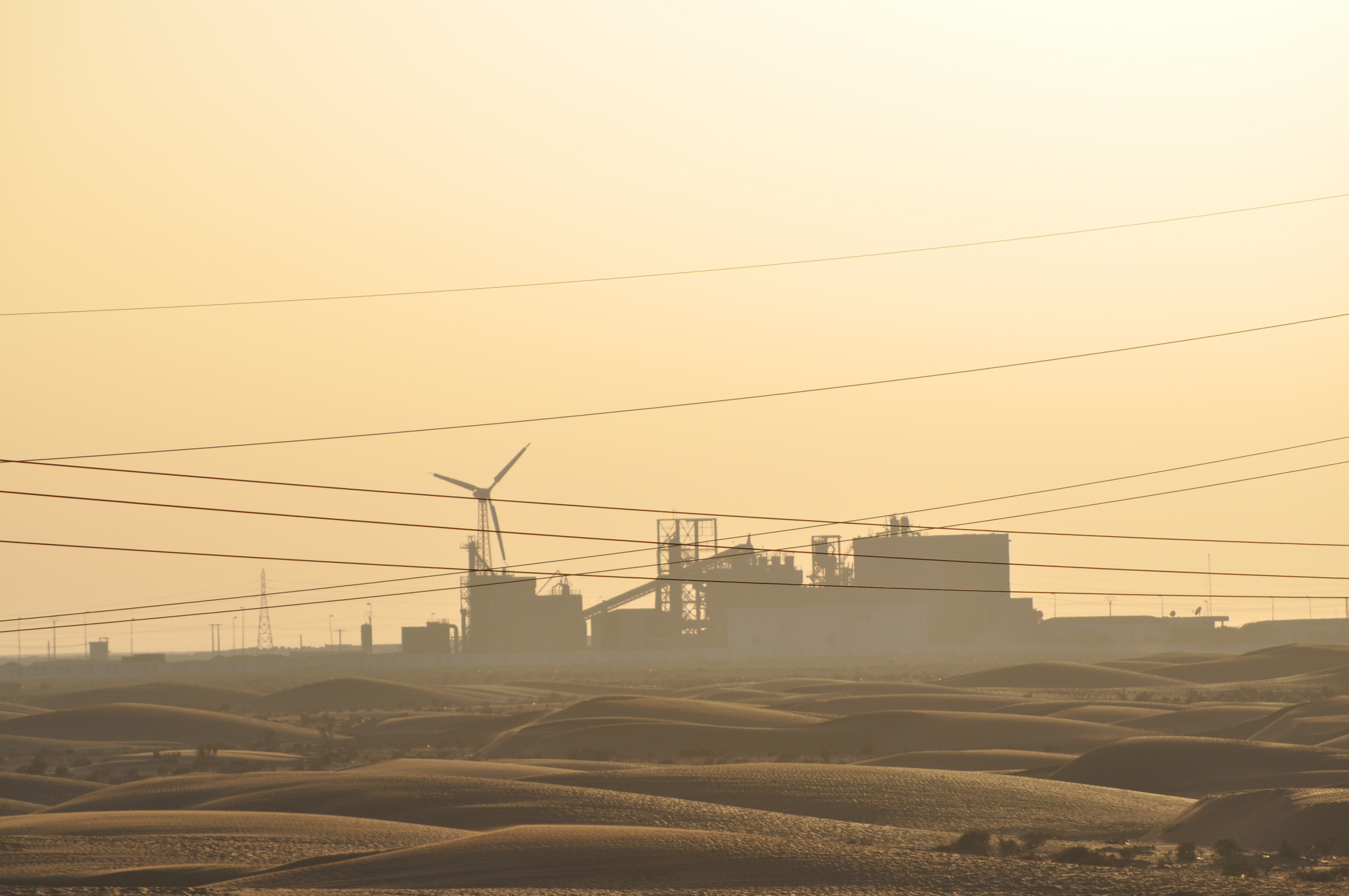
Heidelberg Materials deepens its role in Morocco’s occupation of Western Sahara
The German company confirms once again that its operations in occupied Western Sahara are closely tied to Morocco’s infrastructure expansion in the territory - while continuing to dismiss the Saharawi people’s right to consent.

The conflict phosphates - four decades of plunder
For over 40 years, a Moroccan state-owned company has exported phosphate rock from occupied Western Sahara.
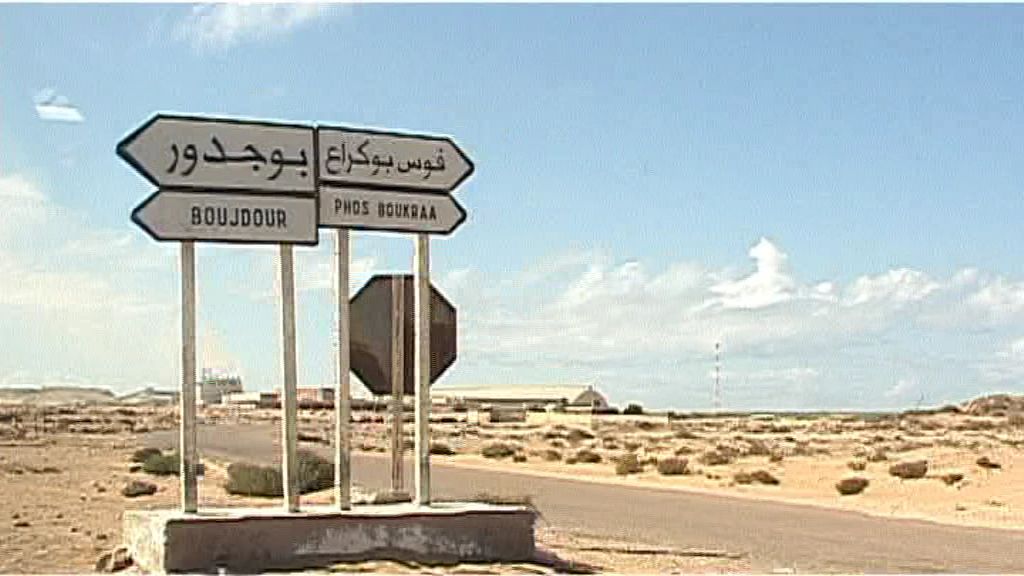
Record low number of importers of Western Sahara phosphates
Only three companies imported phosphate rock from occupied Western Sahara in 2025 - the lowest number ever recorded. The findings appear in our annual P for Plunder report, released today.

One of the richest coastlines in the world
The fish stocks of occupied Western Sahara have not only attracted the interest of the Moroccan fleet: other foreign interests are also fishing in the occupied waters through arrangements with Moroccan counterparts. Along the Western Saharan coastline, a processing industry has emerged.