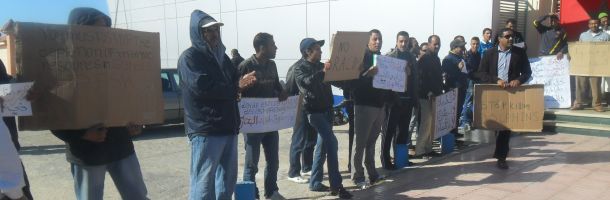
Unemployed Saharawis call for an end to discrimination in fisheries industry.
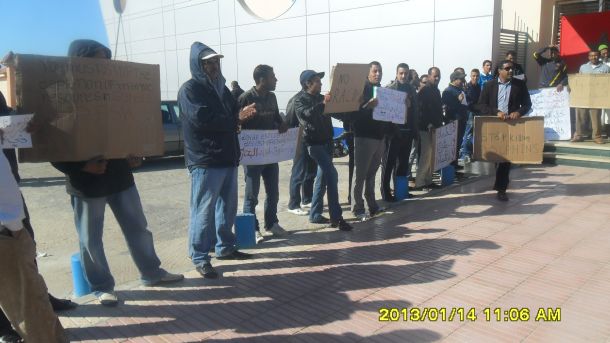
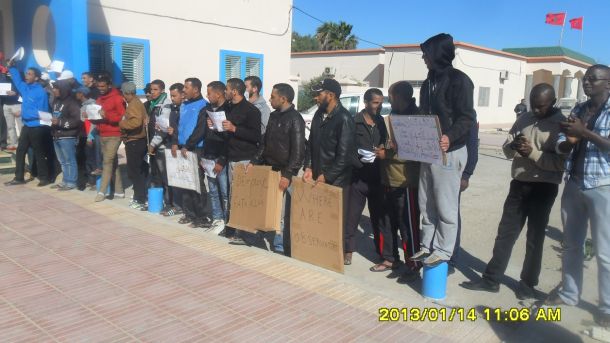
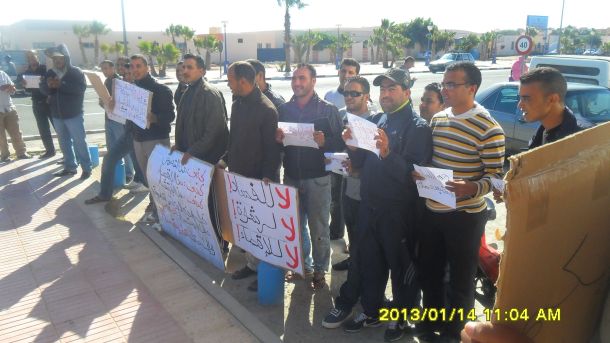
On 13 January, at 11am local time, Saharawi fishermen in Dakhla staged a peaceful protest outside of the Delegation for Fisheries in Dakhla, occupied Western Sahara. It was the second protest this month, taking place only a few days after the previous demo.
The fishermen repeated that they consider themselves on the losing end of the discriminatory employment practices of the Moroccan government's recruitment agency in their occupied hometown. They also demanded an end be put to the depletion of Western Saharan fish stocks by “lobbying of the Moroccan government", as one protester put it.
The fishermen claim they were hindered by the Moroccan police on their way to the protest site. They say the Moroccan security troops are currently intensifying their presence in certain neighbourhoods of the city, against the backdrop of celebrations commemorating the foundation of the Frente Polisario - the internationally recognised representative of the Saharawi people.
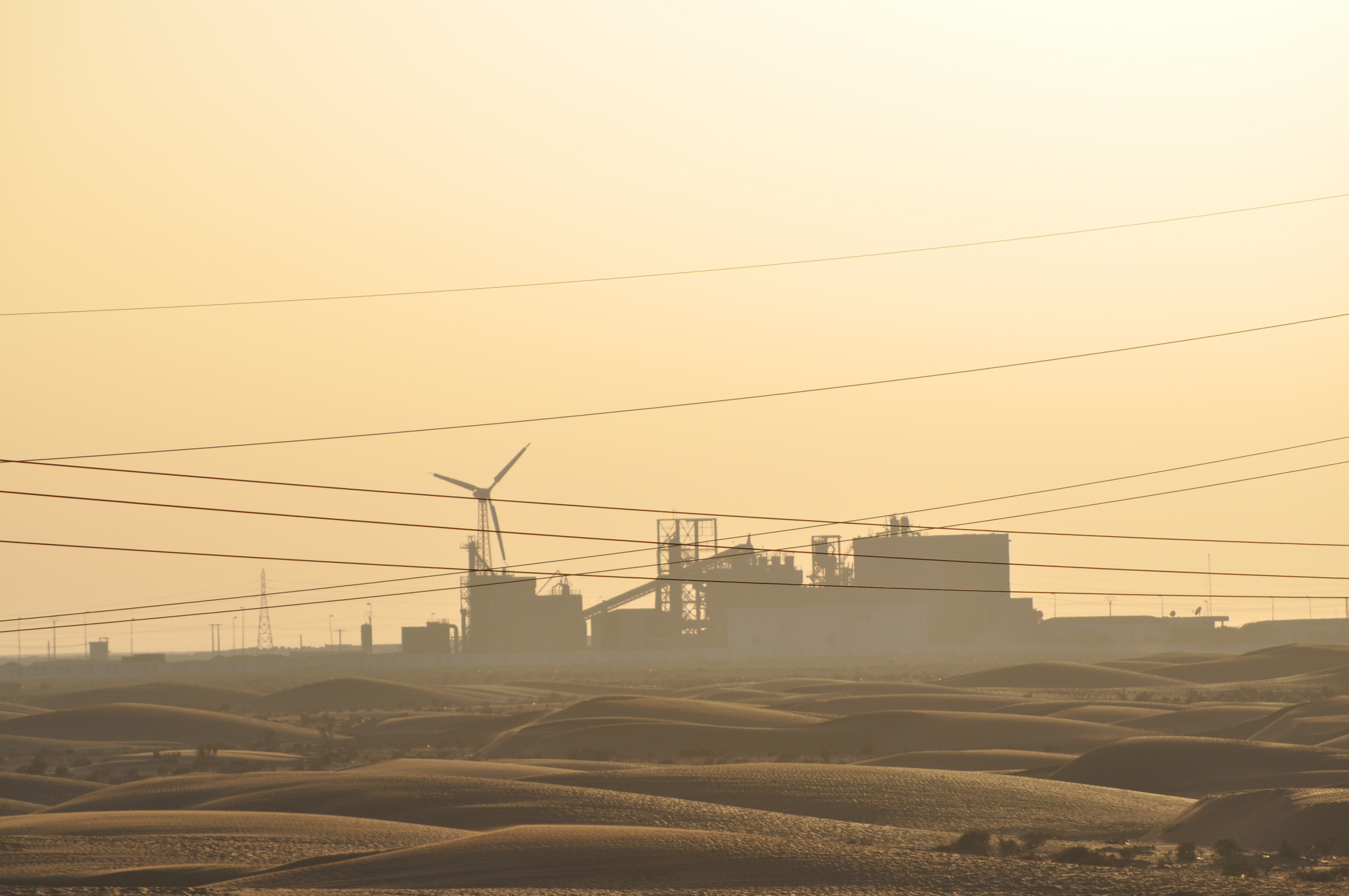
Heidelberg Materials deepens its role in Morocco’s occupation of Western Sahara
The German company confirms once again that its operations in occupied Western Sahara are closely tied to Morocco’s infrastructure expansion in the territory - while continuing to dismiss the Saharawi people’s right to consent.

The conflict phosphates - four decades of plunder
For over 40 years, a Moroccan state-owned company has exported phosphate rock from occupied Western Sahara.
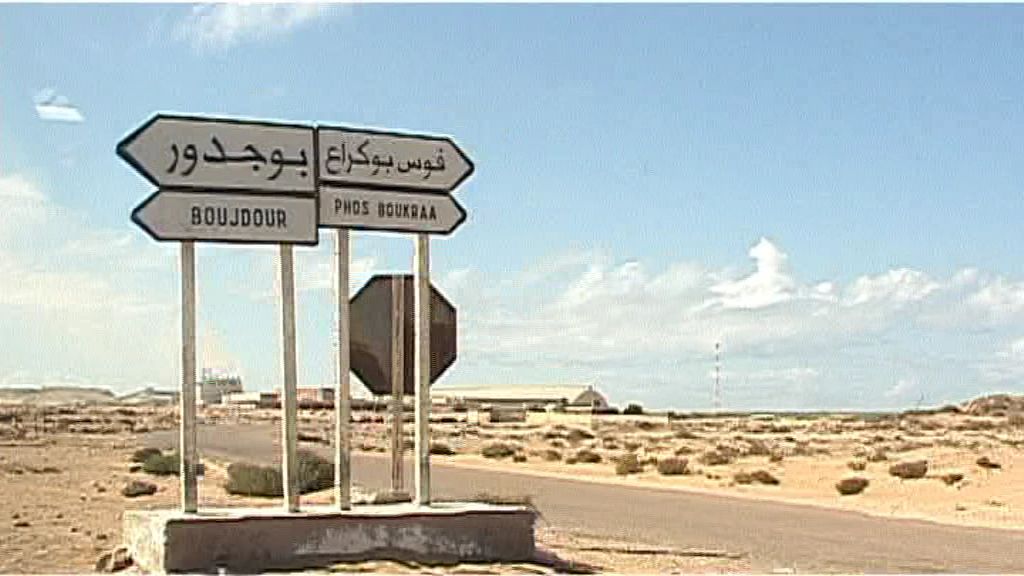
Record low number of importers of Western Sahara phosphates
Only three companies imported phosphate rock from occupied Western Sahara in 2025 - the lowest number ever recorded. The findings appear in our annual P for Plunder report, released today.

One of the richest coastlines in the world
The fish stocks of occupied Western Sahara have not only attracted the interest of the Moroccan fleet: other foreign interests are also fishing in the occupied waters through arrangements with Moroccan counterparts. Along the Western Saharan coastline, a processing industry has emerged.