Footage of this protest yesterday in El Aaiun was taken two hours after the European Parliament consented to the EU-Morocco fisheries protocol, which allows for EU fishing in occupied Western Sahara. The people of Western Sahara have not been asked for their approval.
Footage of this protest yesterday in El Aaiun was taken two hours after the European Parliament consented to the EU-Morocco fisheries protocol, which allows for EU fishing in occupied Western Sahara. The people of Western Sahara have not been asked for their approval.
The demonstrations were held in relation to the International Day of Human Rights, but at the same time were aimed against the EU's decision to go fish in Saharawi waters through a deal with the occupying force, Morocco.
The weekend before the vote in the European Parliament, the Saharawis had also taken to the streets to denounce the inclusion of their waters, while they themselves were excluded from the negotiations leading to the protocol. Find videos and photos of those protests here.
Scroll further down for footage of the arrest of six Spanish citizens who took part in yesterday's protest.
Arrest of activists from Canary Islands
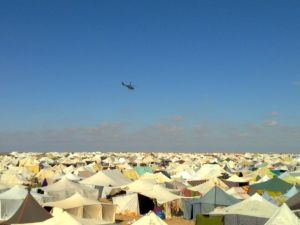
Gdeim Izik prisoners resume hunger strike
Saharawi political prisoners have resumed a hunger strike in Moroccan prisons, demanding their release, improved detention conditions and the implementation of UN decisions.
SRI update
The following overview enlists stock-exchange registered companies with current or recent operations in occupied Western Sahara. Updated 28 September 2026.
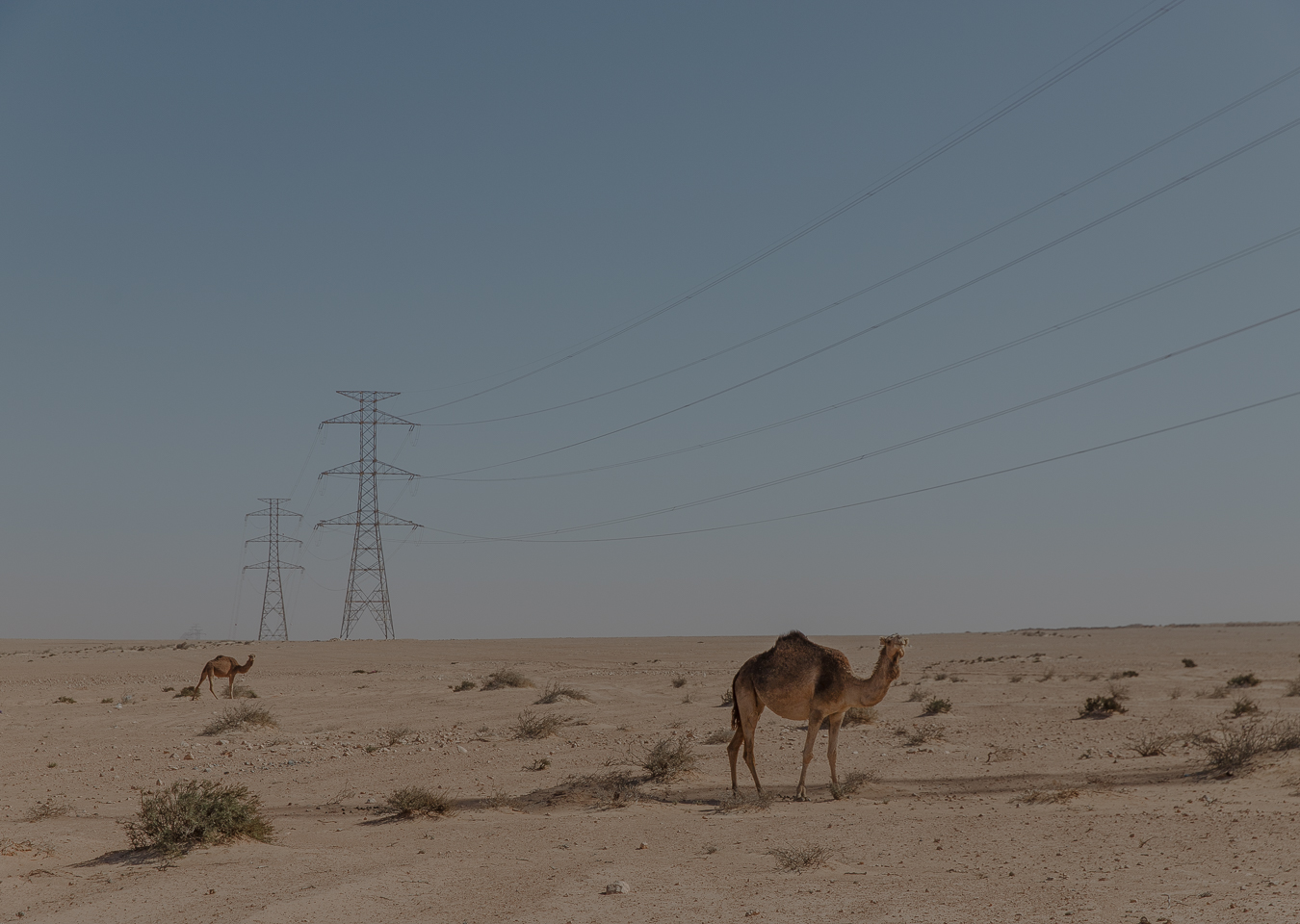
Another company of the Moroccan king involved in occupied Western Sahara
A company closely linked to Morocco’s royal business network has entered a new project in occupied Western Sahara, partnering with a Chinese state-owned electricity giant on high-voltage infrastructure in Boujdour.
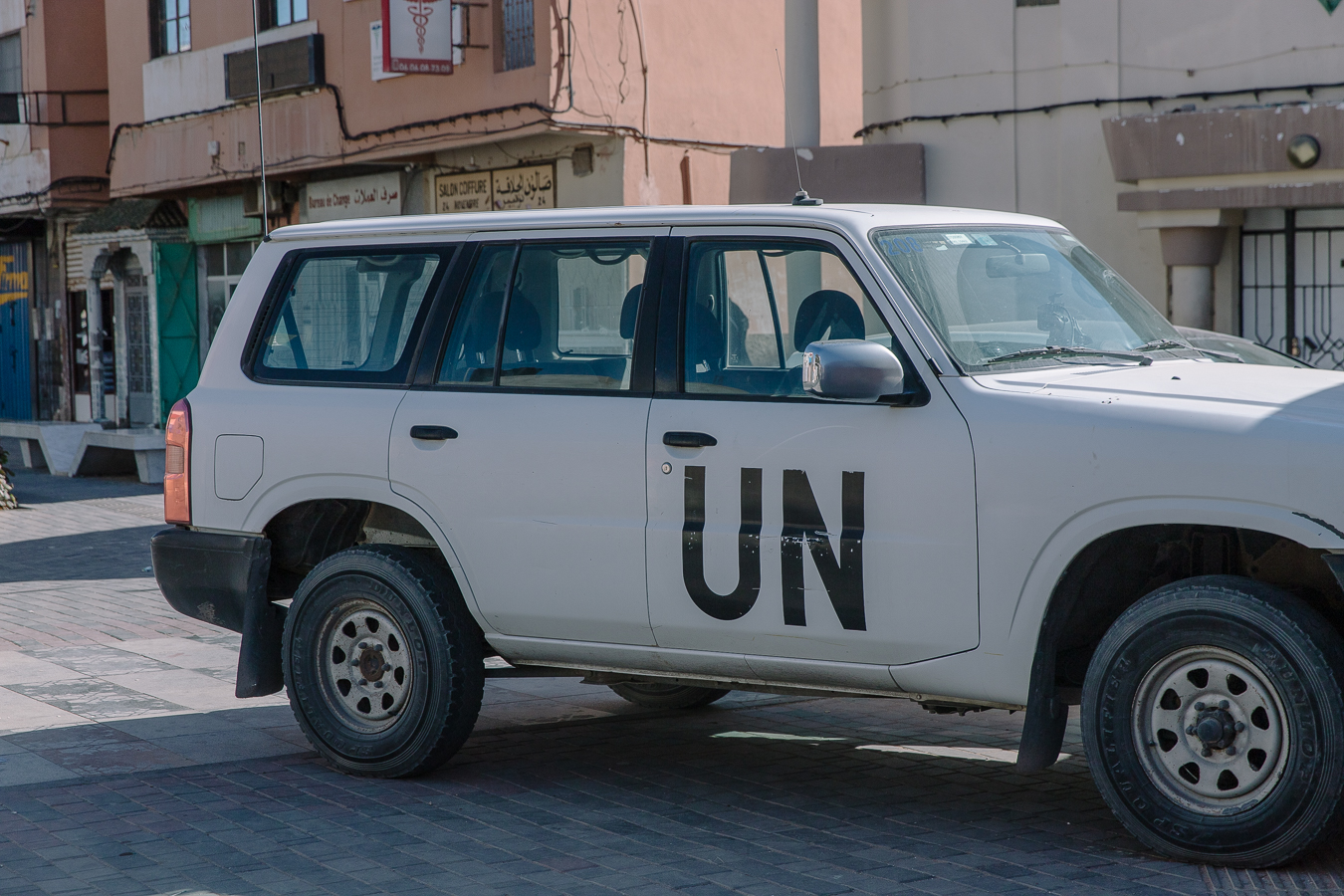
Don't let resource exploitation decide Western Sahara's future
Western Sahara Resource Watch calls on the UN to address the accelerating exploitation of the territory’s natural resources - and prevent it from becoming an even greater obstacle to self-determination.