
An analysis of the legal aspects of the conflict in Western Sahara has led the research department of the German parliament to conclude that there are substantiated violations of the Fourth Geneva Convention by Morocco, that is to be considered an occupying power.
On 18 March 2019, the research service of the Bundestag issued a Status Report on the legal aspects of the conflict in Western Sahara. The report came about at the request of parliamentarian Katja Keul (Bündnis 90/Die Grünen).
The Status Report delves deep into two main issues: the legal status of Western Sahara under international law, and the application of International Criminal Law and International Humanitarian Law.
On the first issue - the legal status of the territory - the report concludes that Morocco is not to be considered as the administering power of Western Sahara, and that the notion ‘de-facto administering power’ is not meaningful in context of international law. Moreover, the report deduces that Western Sahara is under occupation and that “Morocco is to be considered the occupying power”.
In the second main part, the report concludes that Morocco's settlement policy in Western Sahara - described as the transfer of its own civilians into the territory as well as indirect measures in promotion thereof - substantiates a violation of the fourth Geneva Convention and of the Additional Protocol (I) to the Geneva Convention.
Find our short summary of the Status Report here. A translation of the main part of the report, prepared by WSRW, can be found here.
“While not a legal opinion, the Status Report certainly does capture the main legal aspects to the Western Sahara conflict”, says Tim Sauer from Western Sahara Resource Watch. "We sincerely hope companies will take due note of the report's conclusions that Morocco is occupying Western Sahara and that its policy of settling its own nationals in Western Sahara substantiates a violation of international law. We cannot imagine any responsible businesses desiring an association with such practices".
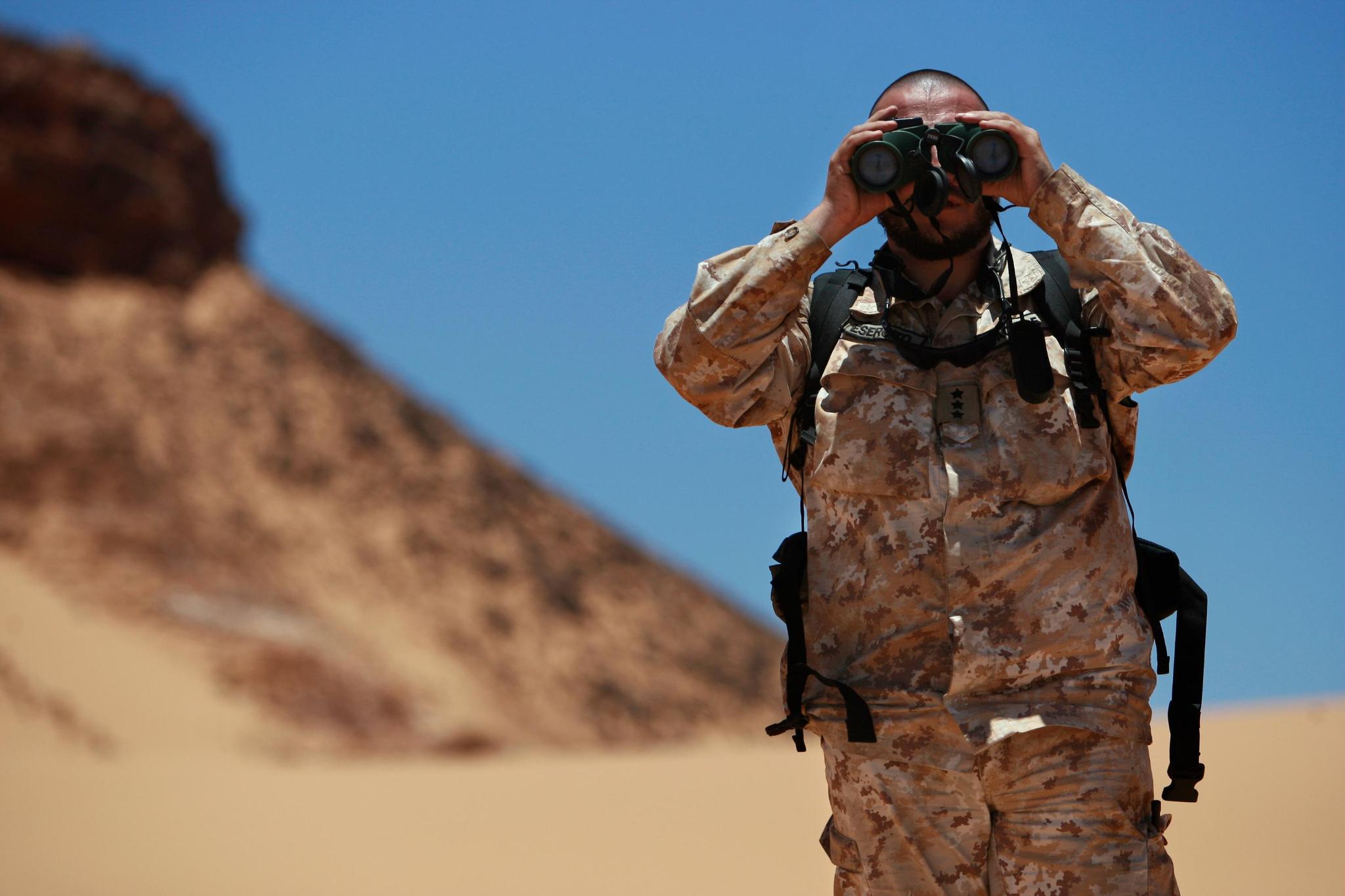
Guterres reminds Morocco: Self-determination still stands
In one of his final statements as UN Secretary-General, António Guterres has made an unequivocal point: the end of MINURSO does not extinguish the inalienable right of the Saharawi people to self-determination. It is a reminder that Morocco cannot declare the Western Sahara question closed simply because the UN mission is leaving.
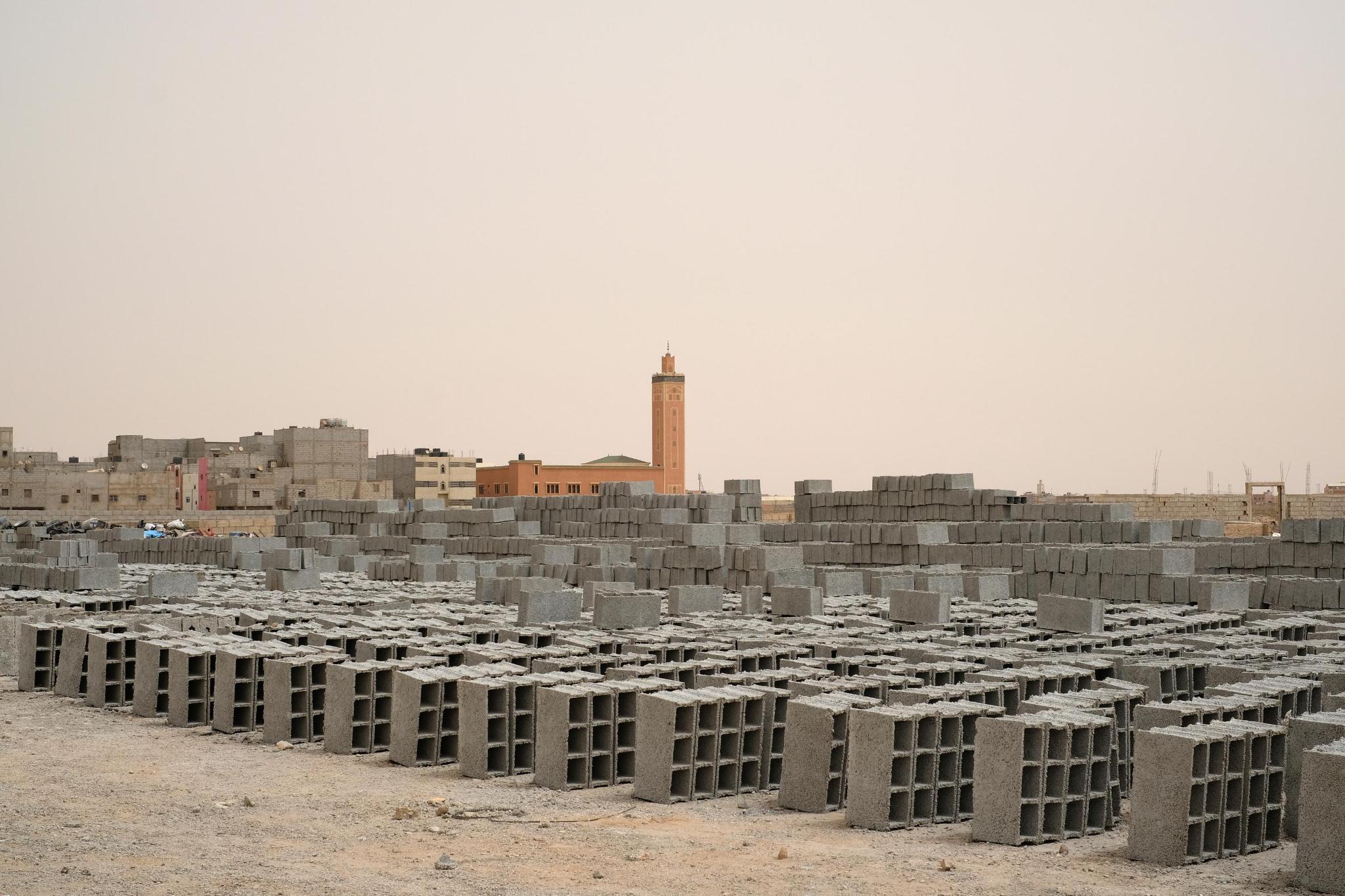
Morocco allocates vast tracts of occupied Western Sahara
Moroccan budget documents released in late October reveal that the kingdom allocated tens of thousands of hectares of land in occupied Western Sahara to investment projects.
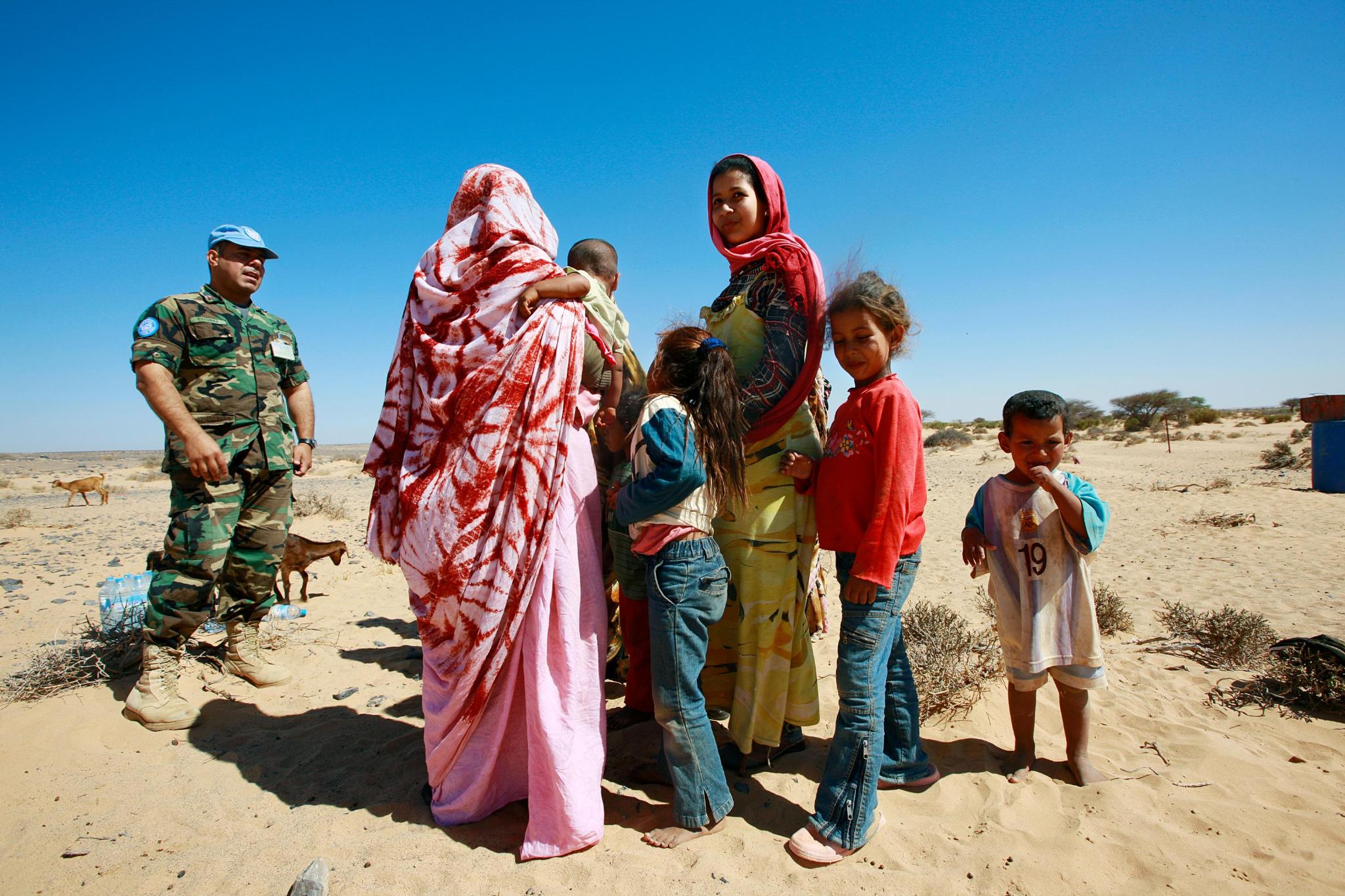
When countries defend self-determination while voting against it
Our analysis of yesterday's UN Security Council vote on Western Sahara reveals a striking gap between what some governments said about the Saharawi people's right to self-determination and the resolution they voted to support.
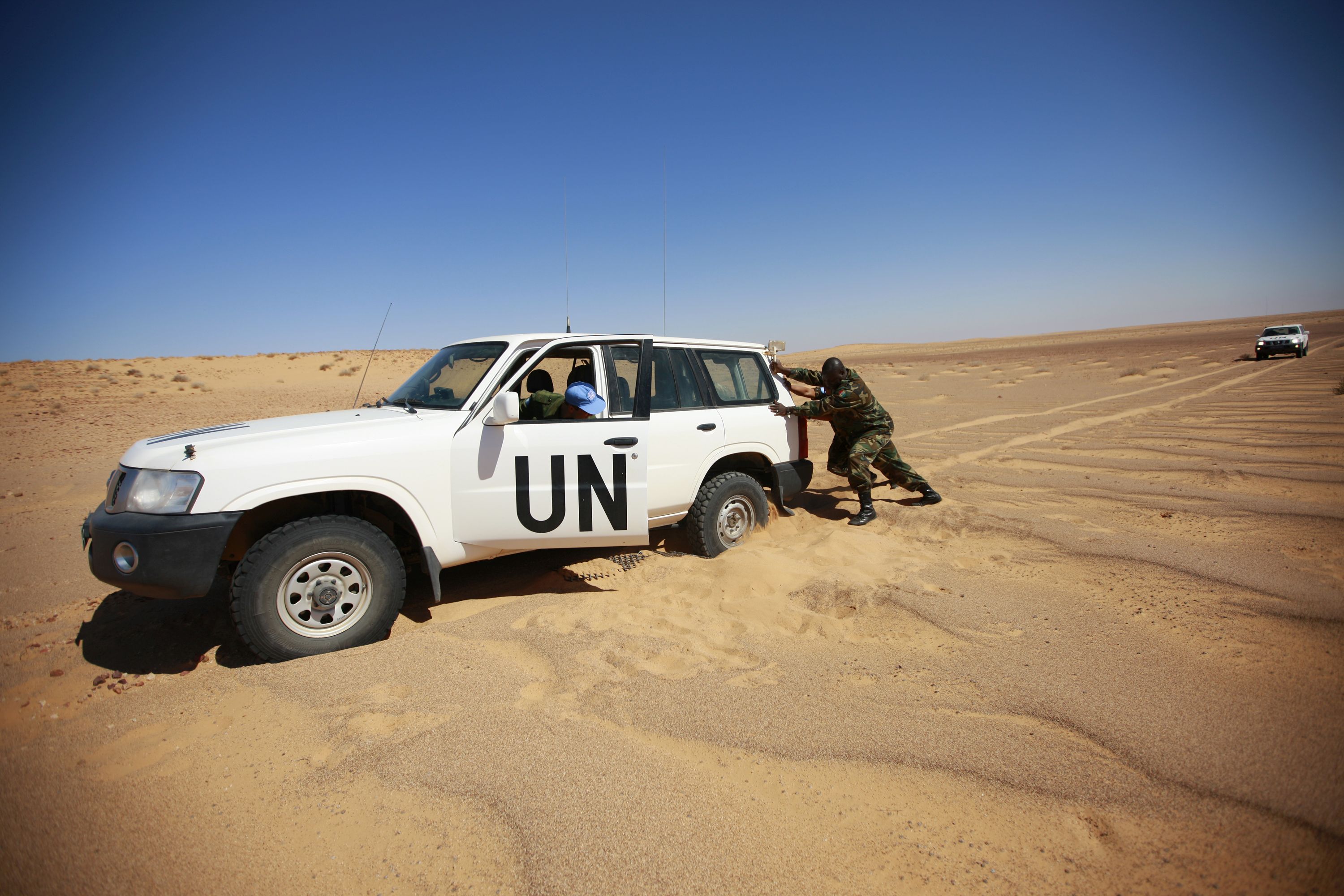
US and Russia veto competing Western Sahara resolutions, leaving MINURSO’s future uncertain
In an extraordinary confrontation, both permanent members blocked each other’s proposals on Western Sahara. With no resolution adopted, the UN mission faces an imminent expiry of its mandate.