Kosmos and Cairn have renewed their licence - but did San Leon Energy abandon one of its licences? A new map from ONHYM suggests changes to the highly controversial oil exploration in the occupied territory.
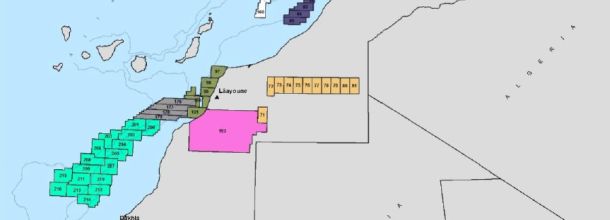
A new map has appeared online, made by the state owned Moroccan oil company ONHYM on 24 June 2016. As the oil licence maps on ONHYM's own website has not been updated for more than a year, this new map suggests three new developments.
- Kosmos and Cairn have renegotiated their offshore agreement. In April 2016, it was known that the duo Kosmos Energy and Cairn Energy were renegotiating the terms for their work offshore occupied Western Sahara. It was also stated that their new licence would be renamed to 'Boujdour Maritime'. That process seems now to have been concluded.
The new licence appears slightly larger than before, by stretching further offshore into the south west.
- What happened to the San Leon Energy block called Tarfaya Onshore? San Leon Energy has had interest in the block since 2008, a block that was partially in occupied Western Sahara and partially on the territory of Morocco proper. From September 2014, San Leon has been operating the block with 75% interest. On the recent map, the entire block is no longer appearing at all. San Leon Energy's own website does not reflect any change, and the company still claims to operate the block.
San Leon in 2015 carried out the first drilling onshore in the history of occupation. In October 2015, thousands of refugees protested the operations of the company on that block.
- Now we know the shape of the Lemsid block. Since 2015, it has been known that ONHYM had carved out a new area for the oil companies, named Lemsid. WSRW wrote about that in June 2015. From 2016, the exploration activities were observed on the ground, carried out by the Polish company Geofizyka Kraków. WSRW wrote a report about the affair on 28 June 2016. However, the exact borders of the block was only known now. It is not known who is operating the Lemsid block. WSRW guesses it could be ONHYM itself.
The map is called "Permit map - June 2016" and appears in a document written on 24 June 2016 which was published on the website of Oil and Gas Council. See also a similar presentation by ONHYM given to the same institution in 2015.
Morocco has occupied the larger parts of Western Sahara since 1975, and the UN has stated that any further oil exploration is illegal unless it takes place in accordance with the wishes of the people of the territory. The oil companies involved have made no efforts to seek the consent of the Saharawi people.
The world's biggest sovereign wealth fund the last months dropped investments in San Leon Energy, Cairn Energy and Kosmos Energy over concerns of international law.
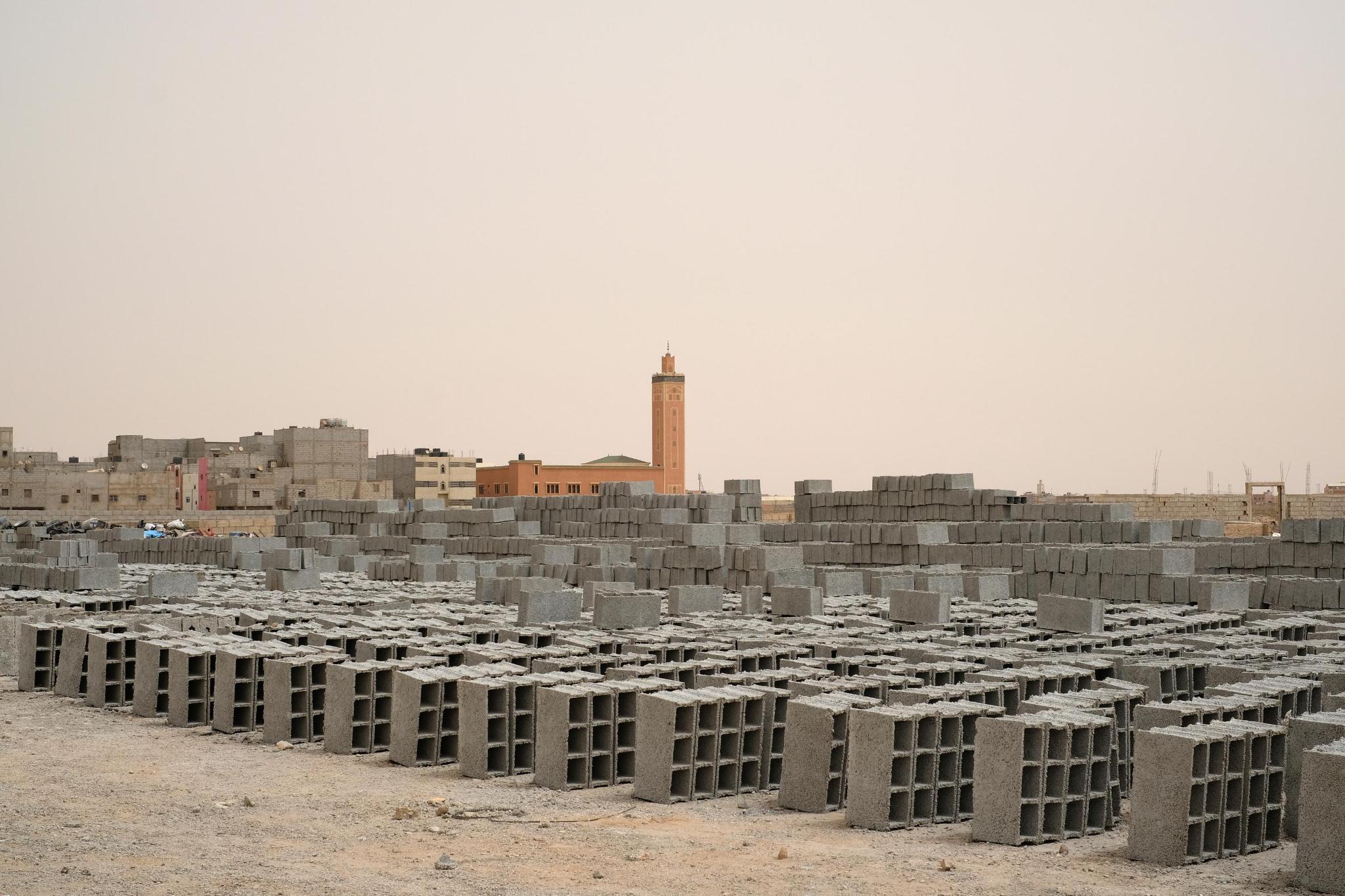
Morocco allocates vast tracts of occupied Western Sahara
Moroccan budget documents released in late October reveal that the kingdom allocated tens of thousands of hectares of land in occupied Western Sahara to investment projects.
Guterres reminds Morocco: Self-determination still stands
In one of his final statements as UN Secretary-General, António Guterres has made an unequivocal point: the end of MINURSO does not extinguish the inalienable right of the Saharawi people to self-determination. It is a reminder that Morocco cannot declare the Western Sahara question closed simply because the UN mission is leaving.
When countries defend self-determination while voting against it
Our analysis of yesterday's UN Security Council vote on Western Sahara reveals a striking gap between what some governments said about the Saharawi people's right to self-determination and the resolution they voted to support.
US and Russia veto competing Western Sahara resolutions, leaving MINURSO’s future uncertain
In an extraordinary confrontation, both permanent members blocked each other’s proposals on Western Sahara. With no resolution adopted, the UN mission faces an imminent expiry of its mandate.