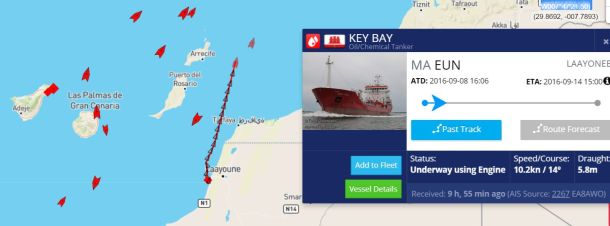
A chemical tanker is about to arrive France with fish oil from occupied Western Sahara. The Court of Justice of the EU last year concluded Western Sahara goods are not part of the trade agreement with Morocco.
The Gibraltar flagged vessel 'Key Bay' on the evening of Thursday 8 September left the port of El Aaiun, in Western Sahara, heading to France.
This is the first transport of fish products from Western Sahara into the EU that Western Sahara Resource Watch has been able to confirm with certainty, since the Court of Justice of the European Union on 10 December 2015 concluded that Western Sahara goods could not be included in the EU-Morocco trade agreement.
The charterer of the vessel, Norwegian company Sea Tank Chartering, confirmed to the Norwegian daily business newspaper Finansavisen today that the vessel had picked up a cargo in the territory. The charterer confirmed that this is their first such shipment out of the territory in 2016. Also the owner of the vessel is Norwegian, Gezina AS.
The existence of a cargo on board the vessel can also be deduced from the draught of the vessel - or the vertical distance between the waterline and the bottom of the hull. As 'Key Bay' entered El Aaiun harbour the draught was 5.1 meters, as it departed it was 5.8 meters. Prior to arriving El Aaiun, the vessel did a stopover in Agadir, where the vessel's draught was reduced from 5.4 to 5.1 meters.
The French pro-Western Sahara group APSO yesterday sent a letter to the customs office in Le Havre, alerting them that the entire or partial cargo originates from Western Sahara.
The European Commission and Council did in fact appeal the decision of the EU court, but did not, surprisingly, request a suspension of the decision of the court.
"This means that the European institutions have a clear obligation to implement the decision from the first instance. The most obvious way to do that, would be refuse imports from the occupied territory altogether. The arrival of this vessel is controversial, not only in view of international law, but also contrary to the decision of the EU court", stated Erik Hagen of Western Sahara Resource Watch.
The EU institutions, Morocco, and the Moroccan exporters have, since the decision of the court in 2015, acted has if nothing has changed, and that the decision was ever made.
The importer is most likely the company Olvea, which fails to answer questions regarding imports from the territory.
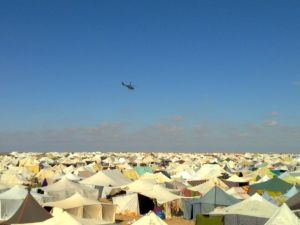
Gdeim Izik prisoners resume hunger strike
Saharawi political prisoners have resumed a hunger strike in Moroccan prisons, demanding their release, improved detention conditions and the implementation of UN decisions.
SRI update
The following overview enlists stock-exchange registered companies with current or recent operations in occupied Western Sahara. Updated 28 September 2026.
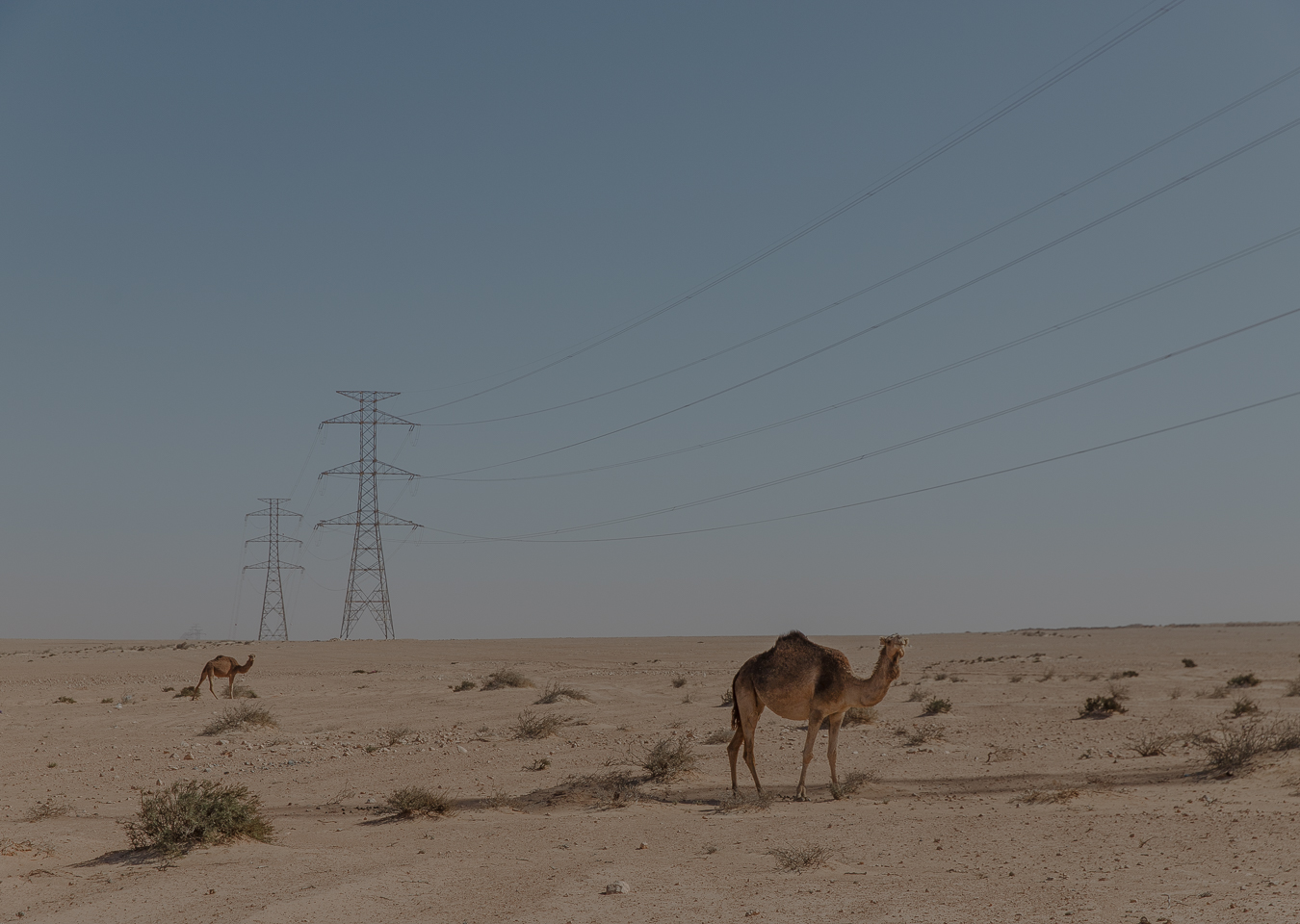
Another company of the Moroccan king involved in occupied Western Sahara
A company closely linked to Morocco’s royal business network has entered a new project in occupied Western Sahara, partnering with a Chinese state-owned electricity giant on high-voltage infrastructure in Boujdour.
Don't let resource exploitation decide Western Sahara's future
Western Sahara Resource Watch calls on the UN to address the accelerating exploitation of the territory’s natural resources - and prevent it from becoming an even greater obstacle to self-determination.