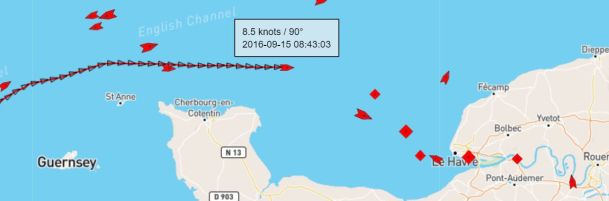
The cargo on board the vessel "Key Bay", which arrives Normandy today, will allegedly not be tariffed, as France claims EU agreement with Morocco is in force.
The cargo of the chemical tanker 'Key Bay' that is set to arrive the city of Fécamp, France, later today, will not be tariffed.
EU Oberver wrote on 13 September 2016 that French customs had "decided that the shipment is not liable for tariffs, in line with the EU-Morocco trade treaties, because, the EU says, those accords remain in force despite the December 2015 ECJ ruling".
The Court of Justice of the EU on 10 December 2015 stated that goods from Western Sahara could not be included in the EU-Morocco trade agreement.
However, while the EU institutions indeed appealed the decision, they did not request a suspension of the decision of the court. In other words, from what Western Sahara Resource Watch understands, the decision from 10 December 2015 is valid while awaiting the appeal to be concluded.
The vessel contains large volumes of fish oil, a highly valuable product, and the first such confirmed cargo into the EU in 2016.
When the sister vessels of Key Bay arrived Norway until 2010, Norwegian customs fined the importer for not paying tariffs. Norway has a trade agreement with Morocco, and is clear that Western Sahara is not part of it. In 2010, the trade to Norway stopped due to the controversy, and the exports shifted to Normandy instead.
French MEP José Bové yesterday expressed his suprise about the imports of fish oil into Normandy.
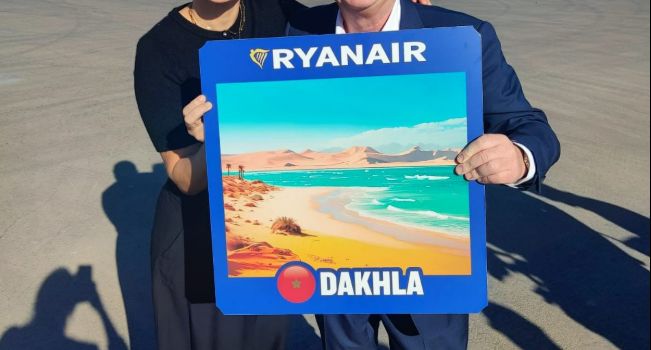
Irish ad watchdog: Ryanair misleading about flights to Western Sahara
In a preliminary decision, the Irish advertising watchdog says the airline’s ads are likely to mislead, as Dakhla is “not a part of Morocco”.
Gdeim Izik prisoners resume hunger strike
Saharawi political prisoners have resumed a hunger strike in Moroccan prisons, demanding their release, improved detention conditions and the implementation of UN decisions.
SRI update
The following overview enlists stock-exchange registered companies with current or recent operations in occupied Western Sahara. Updated 28 September 2026.
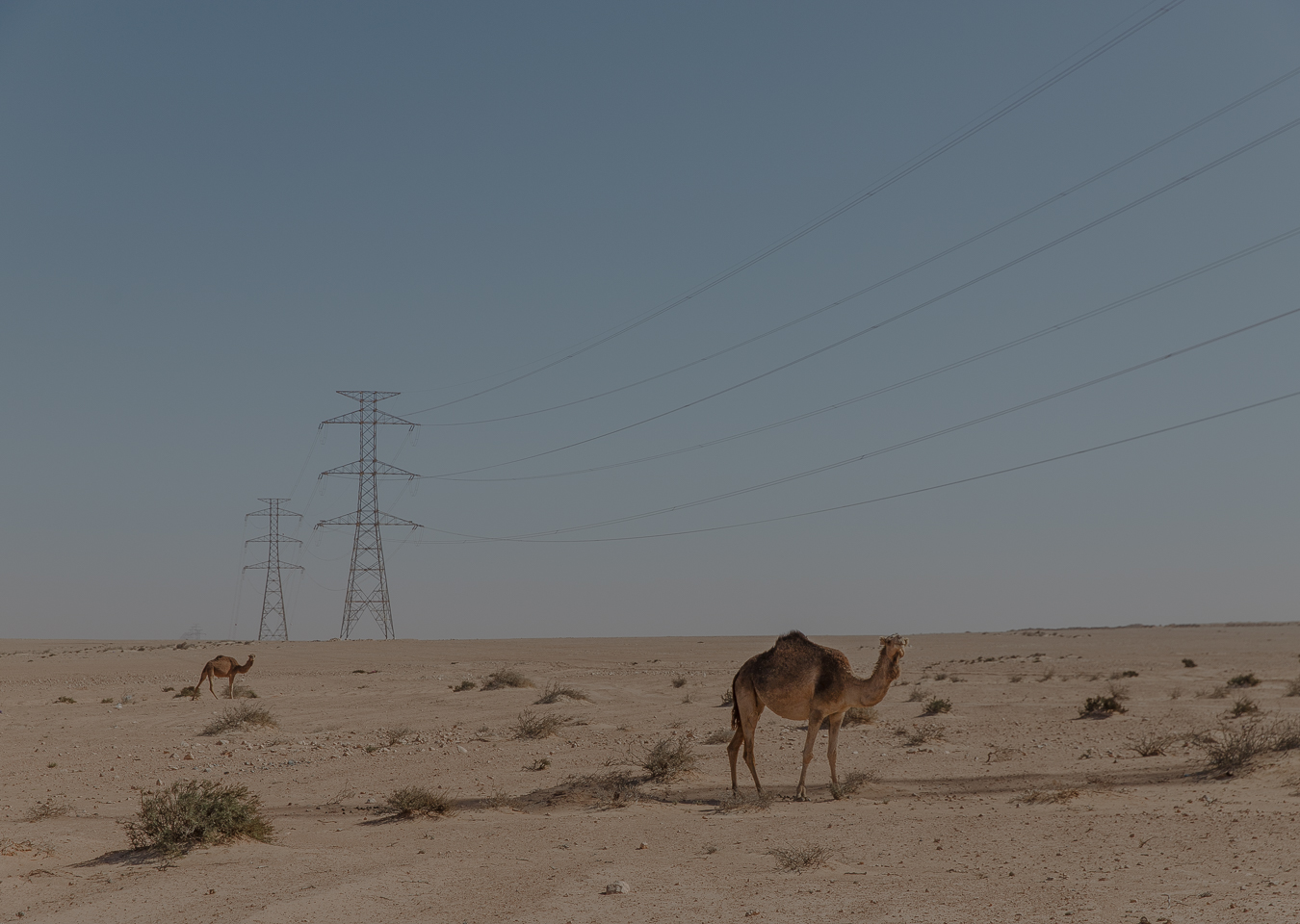
Another company of the Moroccan king involved in occupied Western Sahara
A company closely linked to Morocco’s royal business network has entered a new project in occupied Western Sahara, partnering with a Chinese state-owned electricity giant on high-voltage infrastructure in Boujdour.