
The rapporteur of the European Parliament's development committee agrees with the rapporteur of the fisheries committee: Parliament should not accept the one-year extension of the fish deal with Morocco. "The right way to go is not in neglecting international law, principles of environmental sustainability or sound economics", she said.
Presenting her report in the development committee on 10 October, Swedish MEP Isabella Lövin, who's rapporteur of the committee, strongly urged the Parliament to turn down the proposed one year extension of the Protocol to the EU Morocco fish agreement (FPA).
The draft recommendation stresses the main conclusions of the evaluation report that the European Commission had ordered from an independent consultancy agency. The evaluation showed that the agreement with Morocco is a huge financial loss for the European Union, and is detrimental for the ecology of Western Sahara's ocean waters. All stocks are fully or over exploited, except for sardines in Western Saharan waters, the evaluation reads.
The evaluation report also demonstrates that the sectoral support given under the fish agreement is “a failure”. Under the agreement, an annual 13.5 million euro was earmarked for the development of the local fisheries sector of Morocco. Only 15% of that money has been used. Morocco says that this sum is only 0,2% of the total investments in the fishing sector in Morocco during the 2008-2010 period.
The rapporteur added that it is furthermore “unacceptable that Morocco has totally neglected the European Commission’s questions on the benefits and the wishes of the Saharawi people”.
The UN is clear that economic activities in a territory pending colonisation can only be considered legal if they are in accordance to the wishes and the interests of the people of that territory. So far, nor Morocco, nor the European Commission, have provided any proof that the Saharawi had expressed its consent to the fish deal the EU has signed with occupier Morocco. For this reason, Parliament's legal services called for the immediate suspension or revision of the agreement in 2009.
In 2010, Morocco also refused a delegation of Parliament’s fisheries committee to check up on the implementation of the fish deal. “Such tactics - not answering questions or allowing delegations - should not be awarded”, says Lövin.
French MEP Ponga disagreed with the rapporteur’s analysis. As the one-year extension will expire in February 2011, he sees no reason in rejecting it. “The fish have been caught and sold: we can’t put them back in the water.” Furthermore, Ponga deems it important to support Morocco’s “profound reforms” through approving the agreement. This is in line with the Moroccan government, who has stated that this agreement is mostly an agreement of political nature.
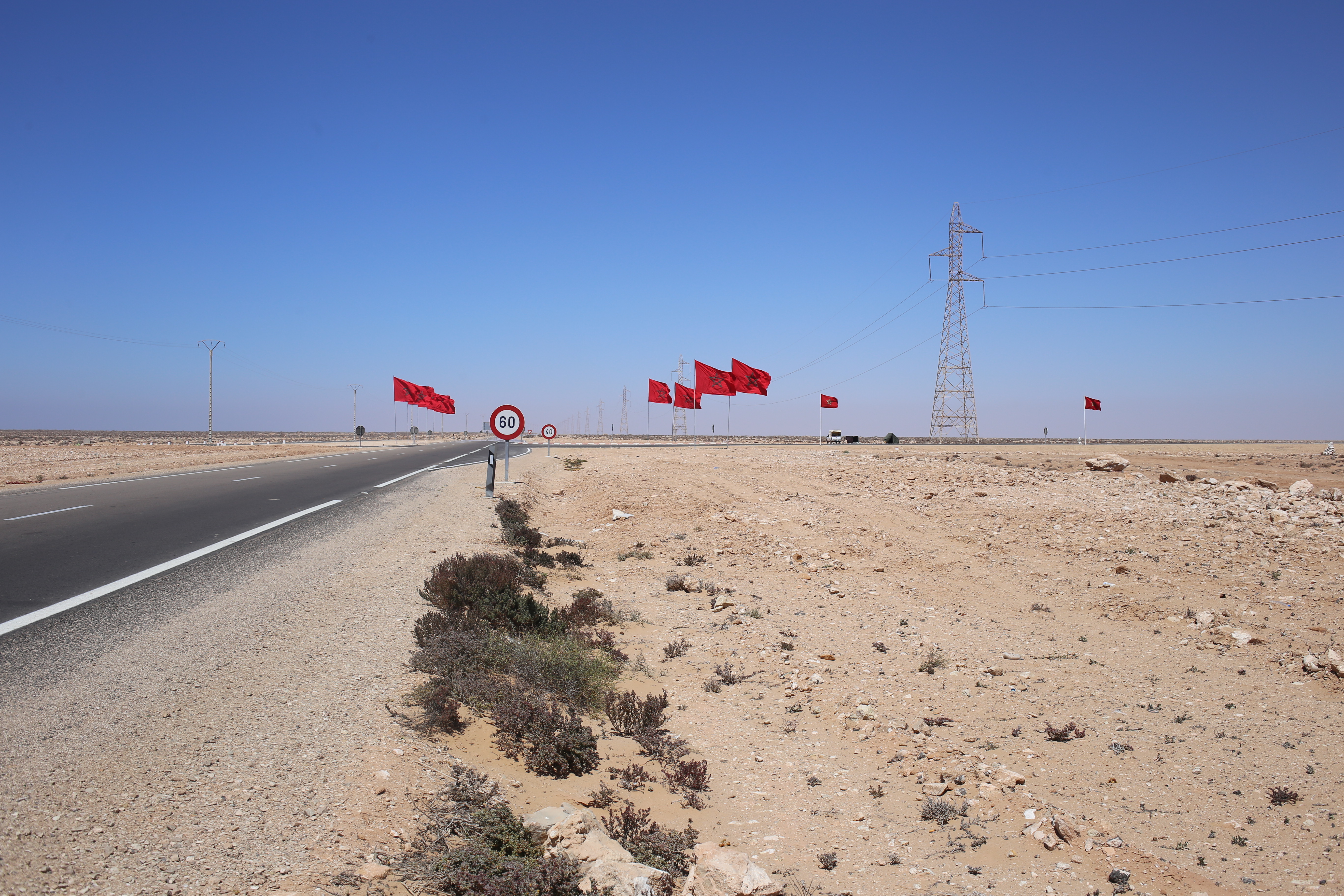
Moroccan budget: Four hydrogen projects in occupied Western Sahara
Morocco’s Finance Bill for 2027 reveals that four out of six planned green hydrogen projects are located in occupied Western Sahara.
Swedish hydrogen company embraces Morocco’s position on Western Sahara
S2H2+Bm has publicly welcomed Morocco’s annexation of Western Sahara, while refusing to clarify whether its planned green hydrogen investments will take place in the occupied territory.

Guterres reminds Morocco: Self-determination still stands
In one of his final statements as UN Secretary-General, António Guterres has made an unequivocal point: the end of MINURSO does not extinguish the inalienable right of the Saharawi people to self-determination. It is a reminder that Morocco cannot declare the Western Sahara question closed simply because the UN mission is leaving.
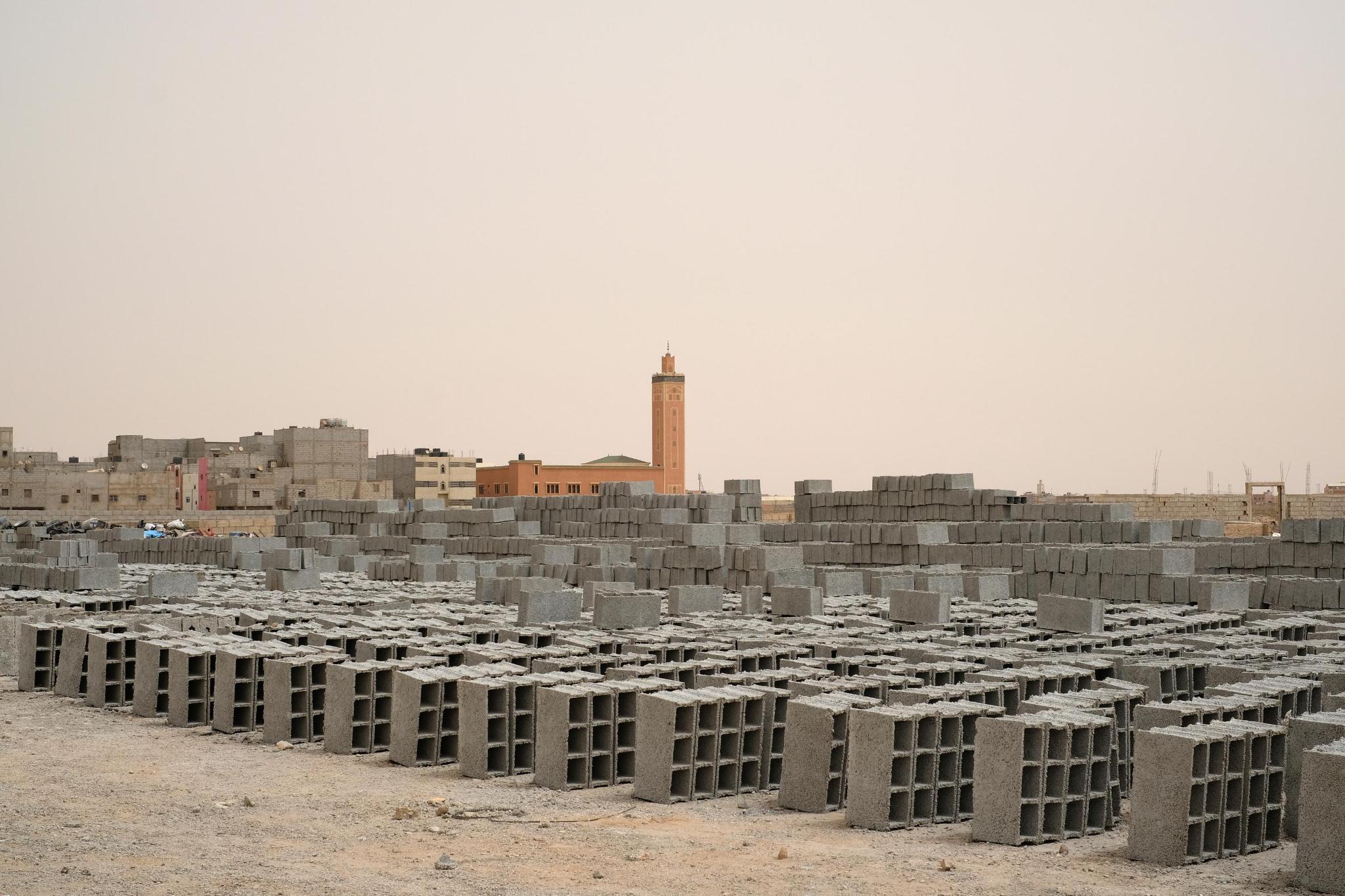
Morocco allocates vast tracts of occupied Western Sahara
Moroccan budget documents released in late October reveal that the kingdom allocated tens of thousands of hectares of land in occupied Western Sahara to investment projects.