Read also: The German Corporation Cognis Cuts All Purchases from Morocco
Last week, Swedish national TV revealed that a Norwegian Omega 3 fat acid producer sources its fish oil from ocupied Western Sahara. The tablets reaches customers on the Swedish market. Now, the German mother firm, Cognis, has ordered a stop to the continued use of material from Western Sahara and Morocco.
Read also: The German Corporation Cognis Cuts All Purchases from Morocco
11 March 2010, Western Sahara Resource Watch together with former Member of European Parliament, Margot Kessler, sent a letter to Cognis, requesting them to ask its subsidiary in Norway to halt its usage of fish oil from occupied Western Sahara. The Norwegian subsidiary, Napro Pharma, had refused to disclose the origins of the fish oil.
On 12 March 2010, the firm responded that they intend to do exactly that: They will "ensure that the fish oil provided to us in the future will not originate from Morocco and Western Sahara". See the reply below.
Monheim, March 12, 2010
Sourcing of fish oil from Western Sahara: your open letter / our measures taken
Dear Mrs. Kessler, dear Mrs. Eyckmans,
Thank you very much for your letter and the information given on the living conditions of the Saharawi people as well as on the political situation of Western Sahara. We can assure you that our management takes this issue very seriously.
Please let us explain our position on the sourcing of fish oil from Western Sahara and also inform you about the actions our company has taken in reaction to the recent information.
We incorporate sustainable values and practices into our purchasing procedures and expect all our suppliers and service providers to adopt a similar approach. We mainly source fish oil from Peru and Chile. Up until now a minor part of our fish oil supply also came from Morocco.
With the information gained from the Swedish TV program “Uppdrag Granskning” we contacted our supplier in order to make sure that the fish oil provided to us does not originate from Western Sahara. The respective supplier confirmed that the fish oil we receive from Morocco does not come from Western Sahara, but is made from fish caught in the area of Tan Tan and Agadir, by local fishermen.
Based on the report on SVT 1 of Wednesday, March 10, we inquired once again and this time were told that it can not be guaranteed to 100 percent that we do not get fish oil from Western Sahara as well.
In the light of this new information we requested our supplier
• to provide us with detailed documentation on the origin of the fish oil we received within the last 12 months.
• to ensure that the fish oil provided to us in the future will not originate from Morocco and Western Sahara.
We hope that this information shows you that our company takes this topic very seriously and is committed to stop imports of fish oil from Western Sahara.
If you have any further questions, please do not hesitate to contact us.
Yours sincerely,
Antonio Trius Stephane Baseden
Chief Executive Officer Cognis Executive Vice President Nutrition & Health

Heidelberg Materials deepens its role in Morocco’s occupation of Western Sahara
The German company confirms once again that its operations in occupied Western Sahara are closely tied to Morocco’s infrastructure expansion in the territory - while continuing to dismiss the Saharawi people’s right to consent.

The conflict phosphates - four decades of plunder
For over 40 years, a Moroccan state-owned company has exported phosphate rock from occupied Western Sahara.
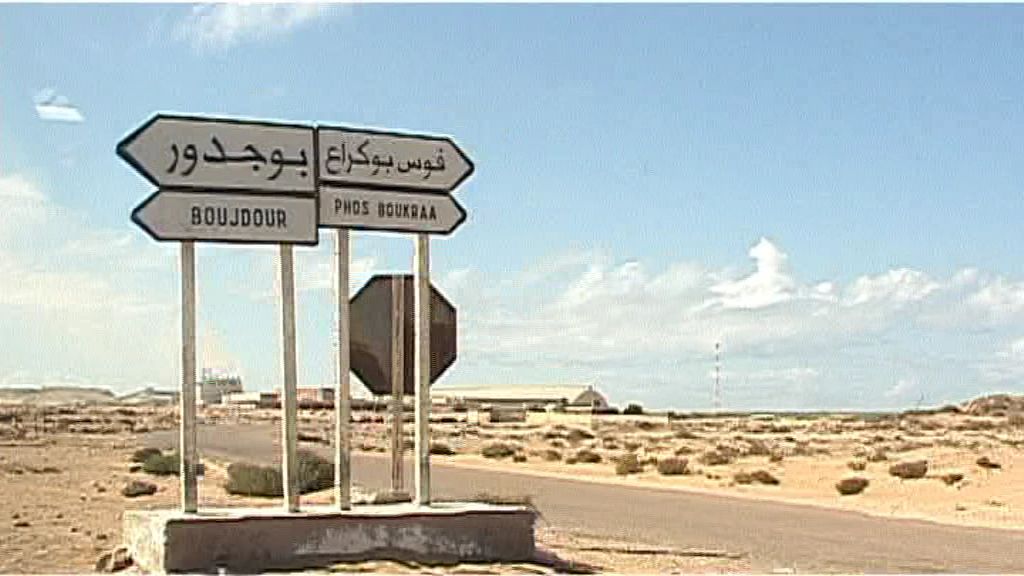
Record low number of importers of Western Sahara phosphates
Only three companies imported phosphate rock from occupied Western Sahara in 2025 - the lowest number ever recorded. The findings appear in our annual P for Plunder report, released today.

One of the richest coastlines in the world
The fish stocks of occupied Western Sahara have not only attracted the interest of the Moroccan fleet: other foreign interests are also fishing in the occupied waters through arrangements with Moroccan counterparts. Along the Western Saharan coastline, a processing industry has emerged.