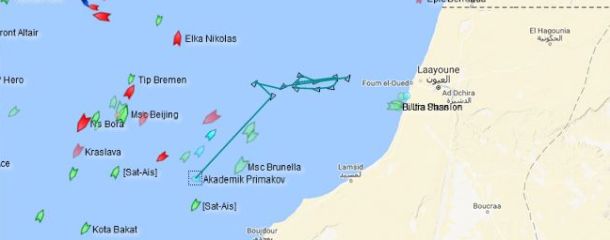
The Moroccan government undertook a 1002 Km² seismic study offshore occupied Western Sahara in the first part of 2018.
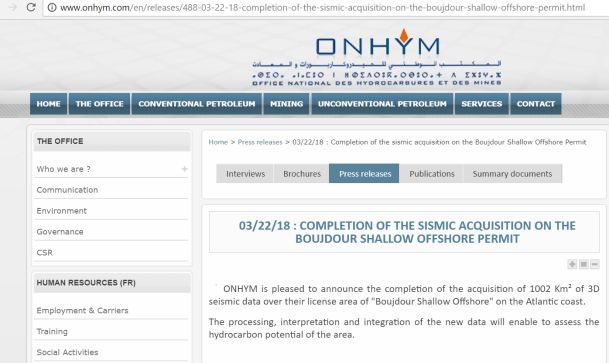
On 22 March 2018, the Moroccan state oil company ONHYM announed in a release that a 1002 Km² seismic study 3D study at the Boujdour Offshore Shallow had been completed. "ONHYM is pleased to announce the completion of the acquisition of of 3D seismic data over their license area of "Boujdour Shallow Offshore" on the Atlantic coast. The processing, interpretation and integration of the new data will enable to assess the hydrocarbon potential of the area", ONHYM wrote.
From what Western Sahara Resource Watch understands, the study was done by the Russian research vessel Akademik Primakov, in the fleet of the Russian company Rosgeo, accompanied by the Vanuatu flagged guard vessel Marja (IMO 7301051), and the standby safety vessel Sursum Corda (IMO 8119508). Rosgeo made a separate statement on the end of exploration on 30 March 2018, regarding Akademik Primakov's works "on the shelf of Morocco".
The study took place on the block which Swiss multinational Glencore used to be the operator of, but that it renounced after over a year of negotiations with ONHYM. Today, the block is operated by the minor UK company Teredo Oils, controlled by Mr. Alan Soulsby. The study took place in the waters directly to the west of the capital of Western Sahara, El Aaiún. However, it is not necessarily Teredo who did the study - it could well have been done by ONHYM directly.
Morocco has occupied the larger part of Western Sahara since 1975. Its oil exploration takes place in violation of international law, by not respecting the wishes of the people of the territory.
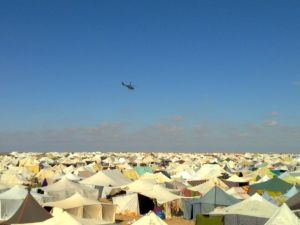
Gdeim Izik prisoners resume hunger strike
Saharawi political prisoners have resumed a hunger strike in Moroccan prisons, demanding their release, improved detention conditions and the implementation of UN decisions.
SRI update
The following overview enlists stock-exchange registered companies with current or recent operations in occupied Western Sahara. Updated 28 September 2026.
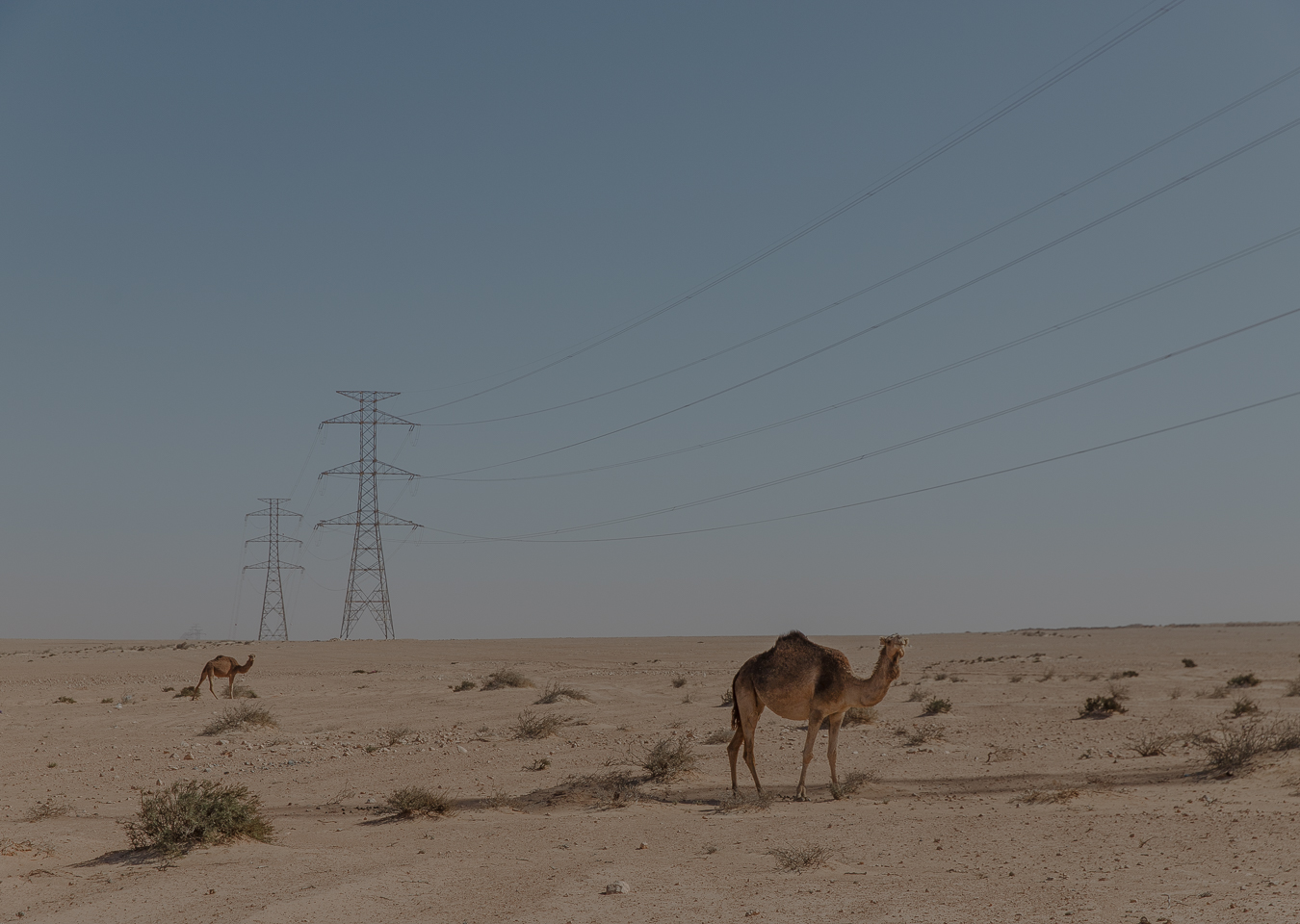
Another company of the Moroccan king involved in occupied Western Sahara
A company closely linked to Morocco’s royal business network has entered a new project in occupied Western Sahara, partnering with a Chinese state-owned electricity giant on high-voltage infrastructure in Boujdour.

Don't let resource exploitation decide Western Sahara's future
Western Sahara Resource Watch calls on the UN to address the accelerating exploitation of the territory’s natural resources - and prevent it from becoming an even greater obstacle to self-determination.