
The Moroccan state-owned oil company ONHYM continues to promote the uranium potential of occupied Western Sahara. WSRW believes that the Romanian geophysical research company Prospectiuni is involved in the ground work.
In a report from November 2011, ONHYM presents further details about the Aghracha prospect – located in the Awserd region, at 180 km south-east of the city of Dakhla. Geological explorations in the area started in 2008. Further airborne aeromagnetic studies in 2010 highlighted a number of promising uranium deposits.
The photo above appeared in the report (download high resolution).
Several uranium indications had already been identified in 2006 and 2007: volcanic structures with high levels of uranium, tantalum and niobium were discovered in Glibat Lahfouda and Twihinate, both located in the southern parts of Western Sahara. The Glibat Lahfouda deposit is estimated at 49 million tonnes, while the Twihinate deposit would contain 346 million tonnes of uranium-rich substance. Further geophysical studies are ongoing in Drag, Al Faham and Lamlaga, all located in the Awserd region.

The report states that “several foreign companies are in negotiations with ONHYM for the conclusion of research and development agreements.”
WSRW believes that one of the companies involved in the geophysical surveys, is the Romanian company Prospectiuni. WSRW first noted Prospectiuni’s presence in the Dakhla area in December 2006.
Pictures shot in the area in 2007, suggest that the company is participating in the exploration of lucrative minerals in occupied Western Sahara. See those pictures below.
WSRW has contacted Prospectiuni regarding its presence in occupied Western Sahara, but so far has not received any replies.
According to local sources, the Prospectiuni-site is heavily guarded by the Moroccan army, which is said to have sealed off the premises. An estimated 70 people are working on the Prospectiuni site: all are either employees of the company or of ONHYM. No Saharawi are employed in the explorative ground work. Every three to four days, trucks are spotted leaving the site, accompanied by army-patrols.
According to the UN, exploration of natural resources in Western Sahara cannot take place without prior consultation of the Saharawi people.

Sampling of soil, early 2007:


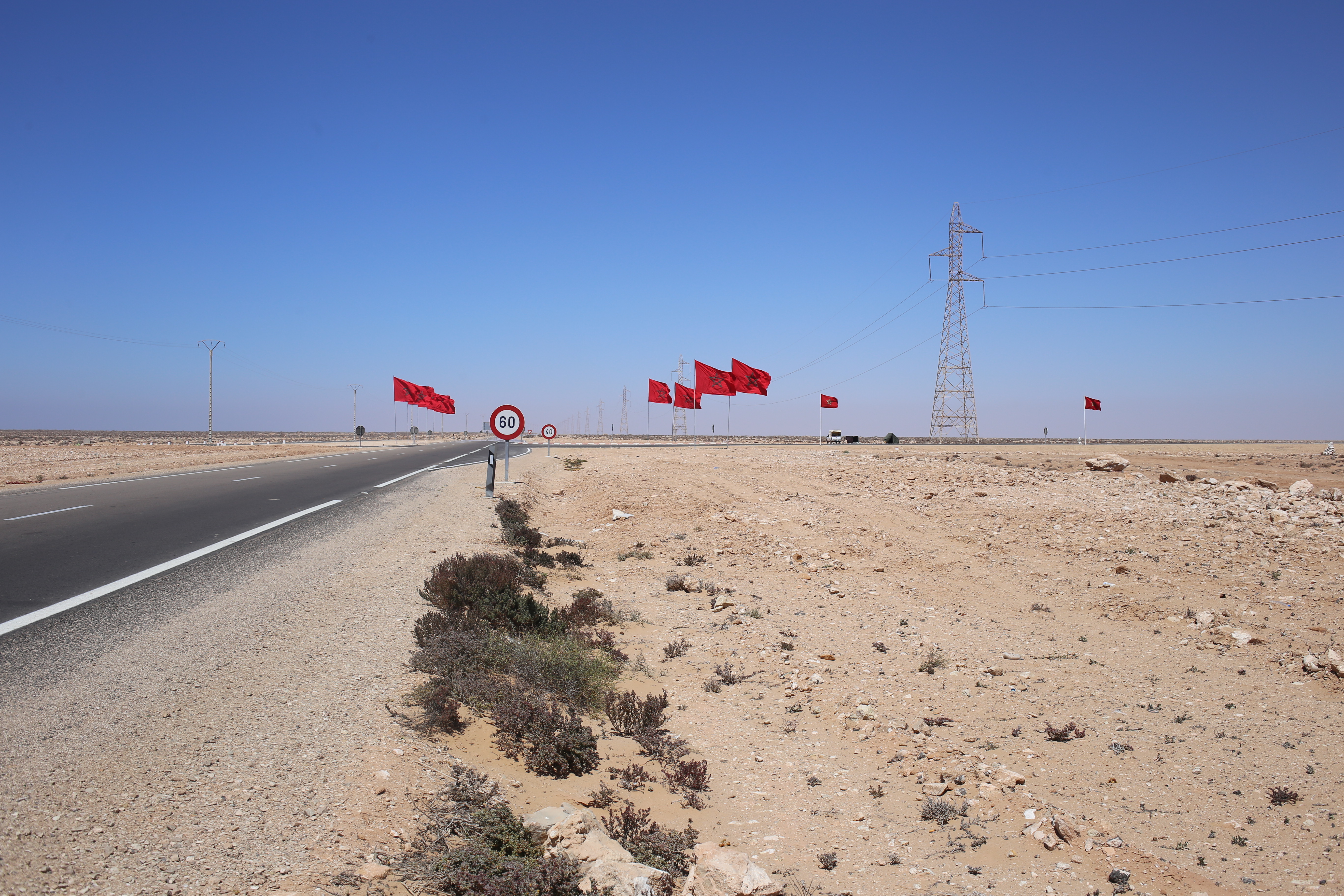
Moroccan budget: Four hydrogen projects in occupied Western Sahara
Morocco’s Finance Bill for 2027 reveals that four out of six planned green hydrogen projects are located in occupied Western Sahara.
Swedish hydrogen company embraces Morocco’s position on Western Sahara
S2H2+Bm has publicly welcomed Morocco’s annexation of Western Sahara, while refusing to clarify whether its planned green hydrogen investments will take place in the occupied territory.
Guterres reminds Morocco: Self-determination still stands
In one of his final statements as UN Secretary-General, António Guterres has made an unequivocal point: the end of MINURSO does not extinguish the inalienable right of the Saharawi people to self-determination. It is a reminder that Morocco cannot declare the Western Sahara question closed simply because the UN mission is leaving.
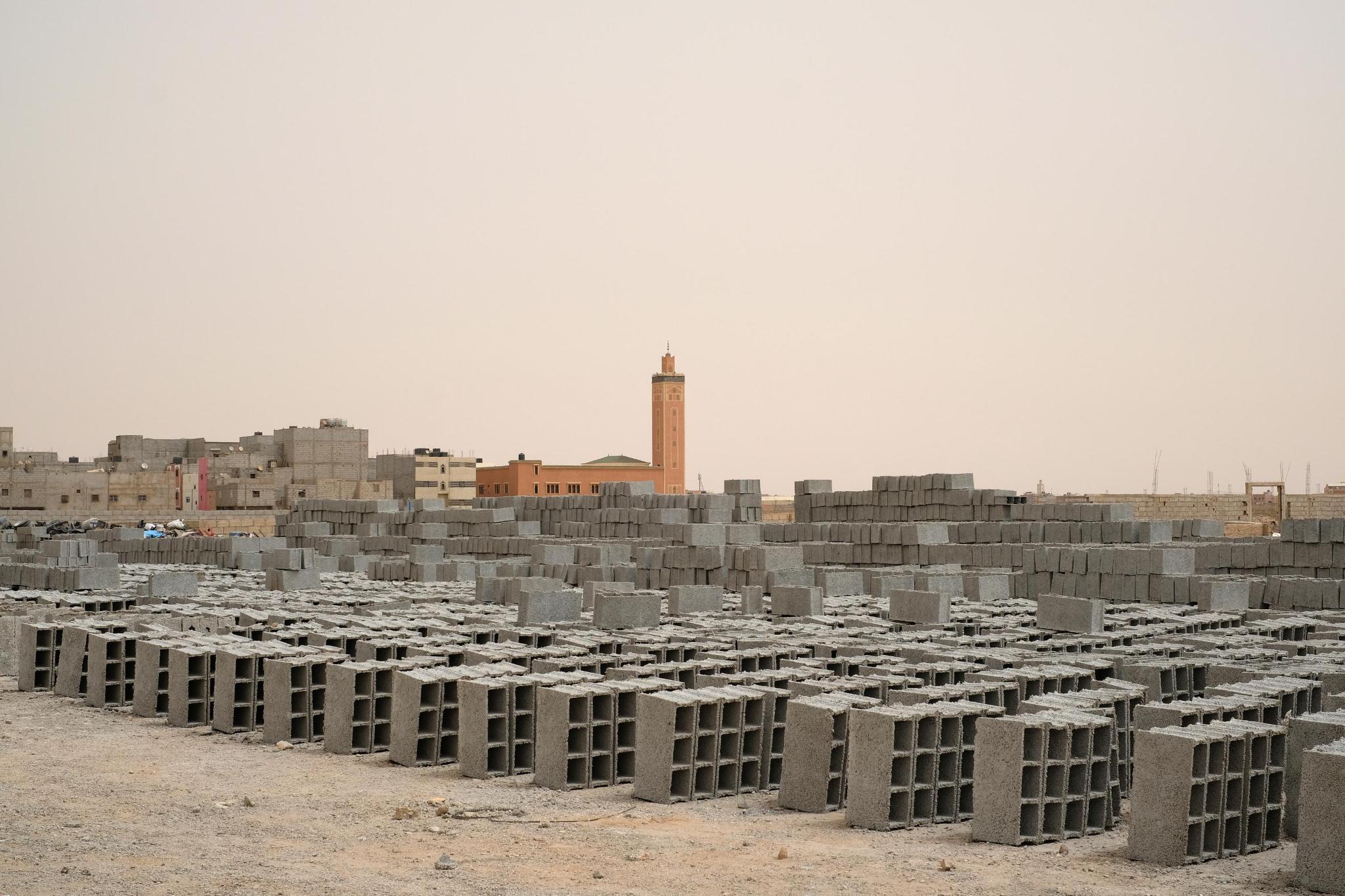
Morocco allocates vast tracts of occupied Western Sahara
Moroccan budget documents released in late October reveal that the kingdom allocated tens of thousands of hectares of land in occupied Western Sahara to investment projects.