Any further oil exploration in Western Sahara is illegal unless the Saharawis want it themselves, according to the UN. The companies involved do not care.
The demonstration on this video is said to have been taking place last week, and was published on Youtube on 12 March 2015.
According to the UN Legal Opinion on oil exploration in Western Sahara any further operation will be illegal if it fails to respect the Saharawi people's wishes.
Kosmos Energy, Total, Glencore and San Leon Energy - the operators of the oil licences in Western Sahara - fail to make any reference to that. The same applies to the importers of phosphates, such as fertilizer companies in Canada, Lithuania and New Zealand.
The companies' operations infuriate the Saharawis, both in the occupied territory and in the refugee camps in Algeria. "No to the plunder of our resources", is stated on the leaflets held by the women on the video, shortly before uniformed and plainclothed police officers and security forces members are seen attacking them with batons.
Demonstrations, organisations and parties through which wishes on the Moroccan plunder could have been freely expressed are all banned by the Moroccan government. The referendum, which the MINURSO operation was set out to implement, has been blocked by Morocco.
The author of the UN Legal Opinion stated recently that the oil development was clearly illegal. The same opinion is applied to the phosphate imports.
Last year, a Saharawi was cut wth a razor blade by Moroccan police for protesting against Kosmos Energy's drilling in the territory, the first ever oil drill to take place in the territory. Read more about Kosmos Energy's drilling.
The companies have solved the dilemma of the UN Legal Opinion by misrepresenting the document. See for instance these manipulations of the UN document, published by Kosmos Energy.
Other companies have, on the other hand, taken a responsible approach. Bloomberg on 13 March 2015 refered to a U.S. fertilizer producer, Mosaic, which stopped purchasing phosphates from Western Sahara “because of widespread international concerns regarding the rights of the Sahrawi people in that region,” a Mosaic spokesman, said in an e-mail to Bloomberg.

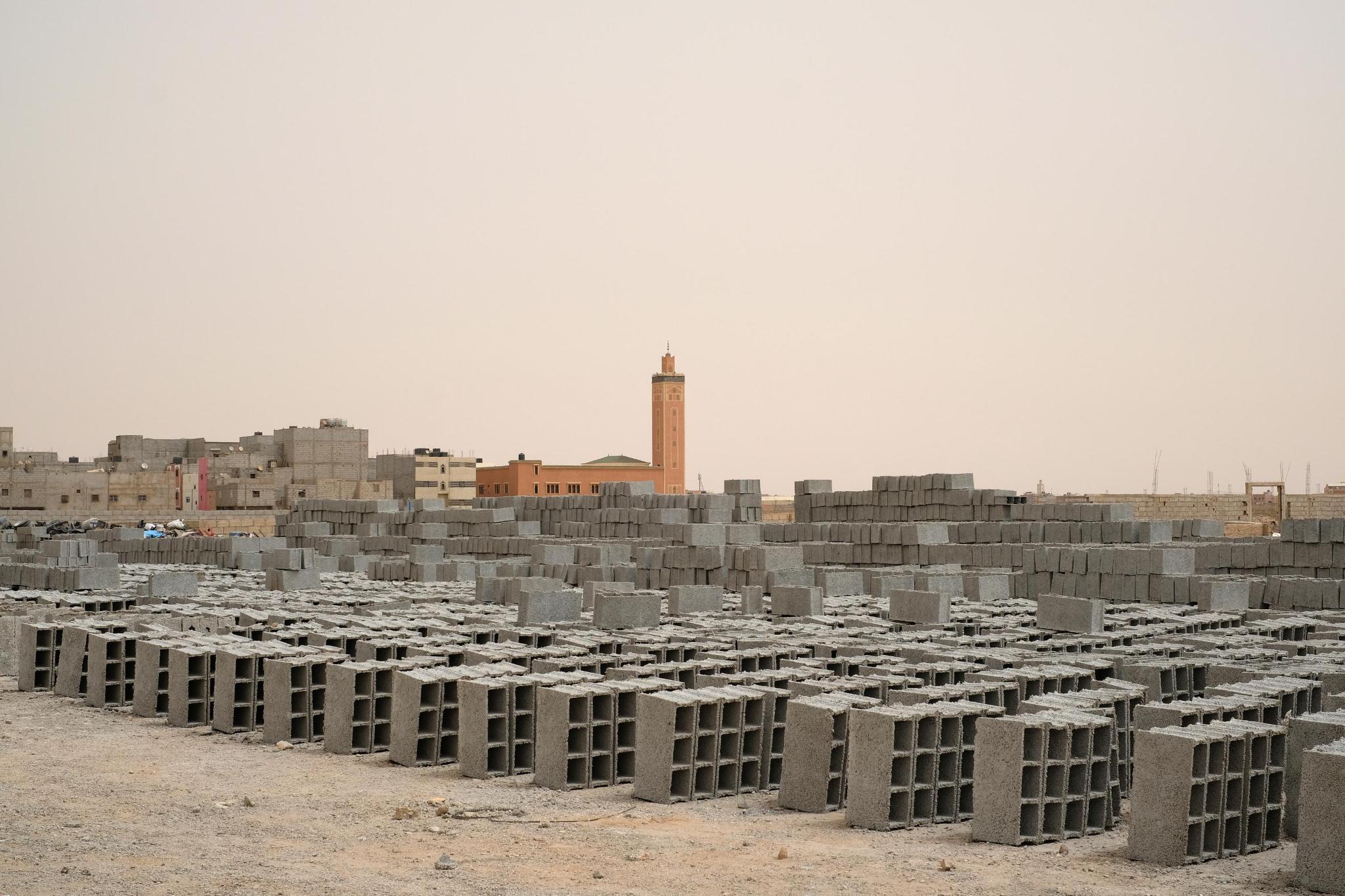
Morocco allocates vast tracts of occupied Western Sahara
Moroccan budget documents released in late October reveal that the kingdom allocated tens of thousands of hectares of land in occupied Western Sahara to investment projects.
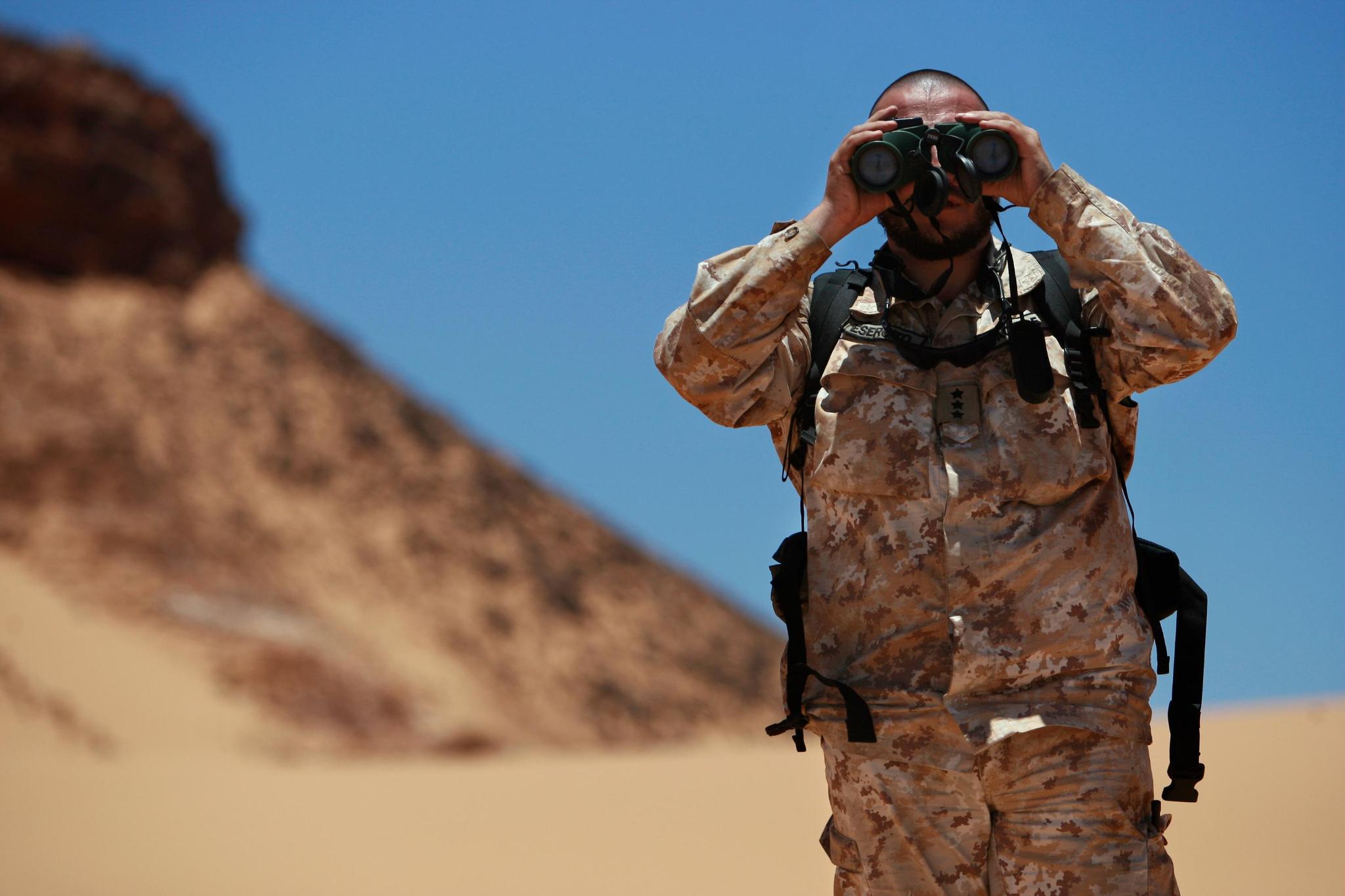
Guterres reminds Morocco: Self-determination still stands
In one of his final statements as UN Secretary-General, António Guterres has made an unequivocal point: the end of MINURSO does not extinguish the inalienable right of the Saharawi people to self-determination. It is a reminder that Morocco cannot declare the Western Sahara question closed simply because the UN mission is leaving.
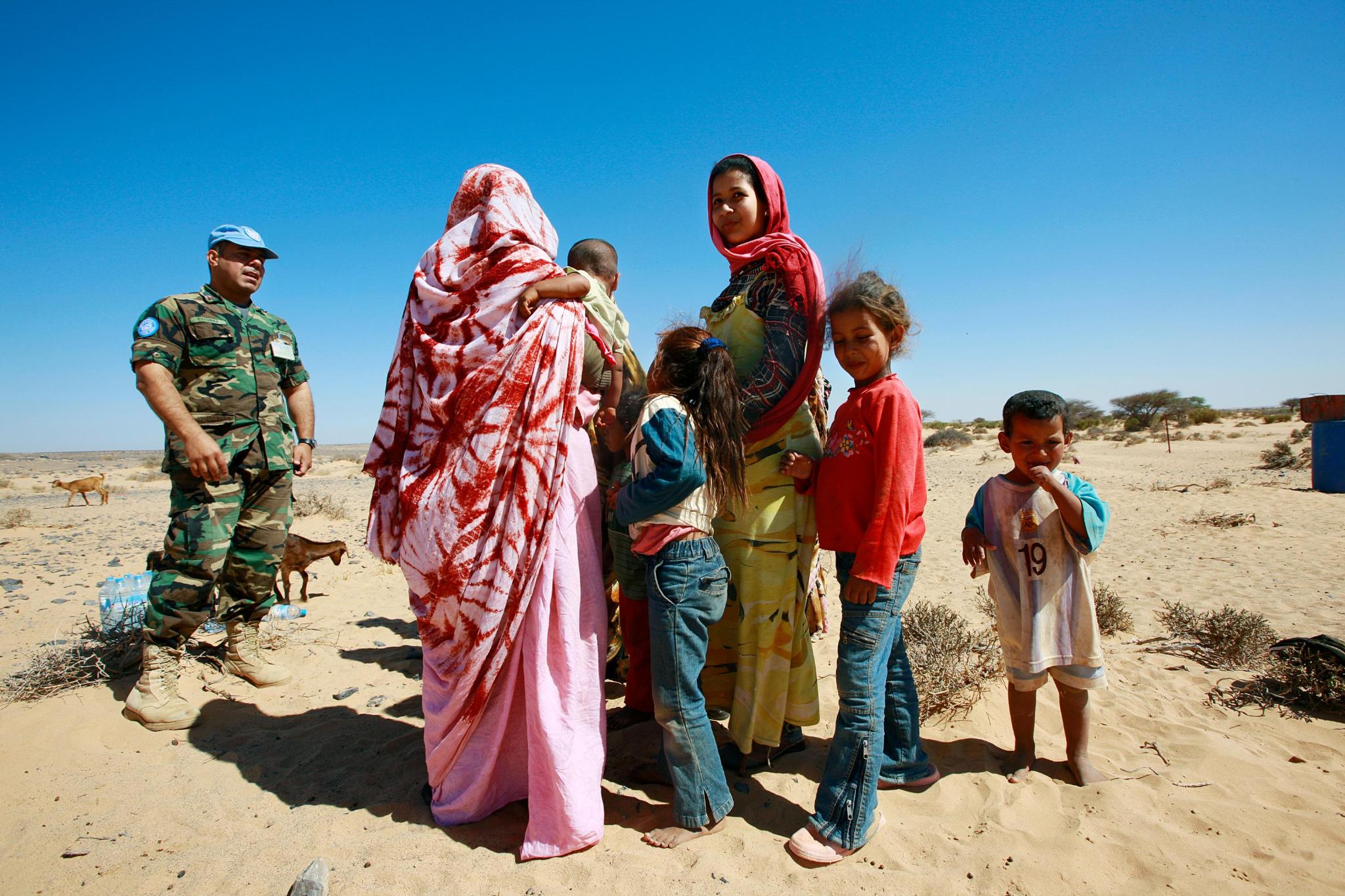
When countries defend self-determination while voting against it
Our analysis of yesterday's UN Security Council vote on Western Sahara reveals a striking gap between what some governments said about the Saharawi people's right to self-determination and the resolution they voted to support.
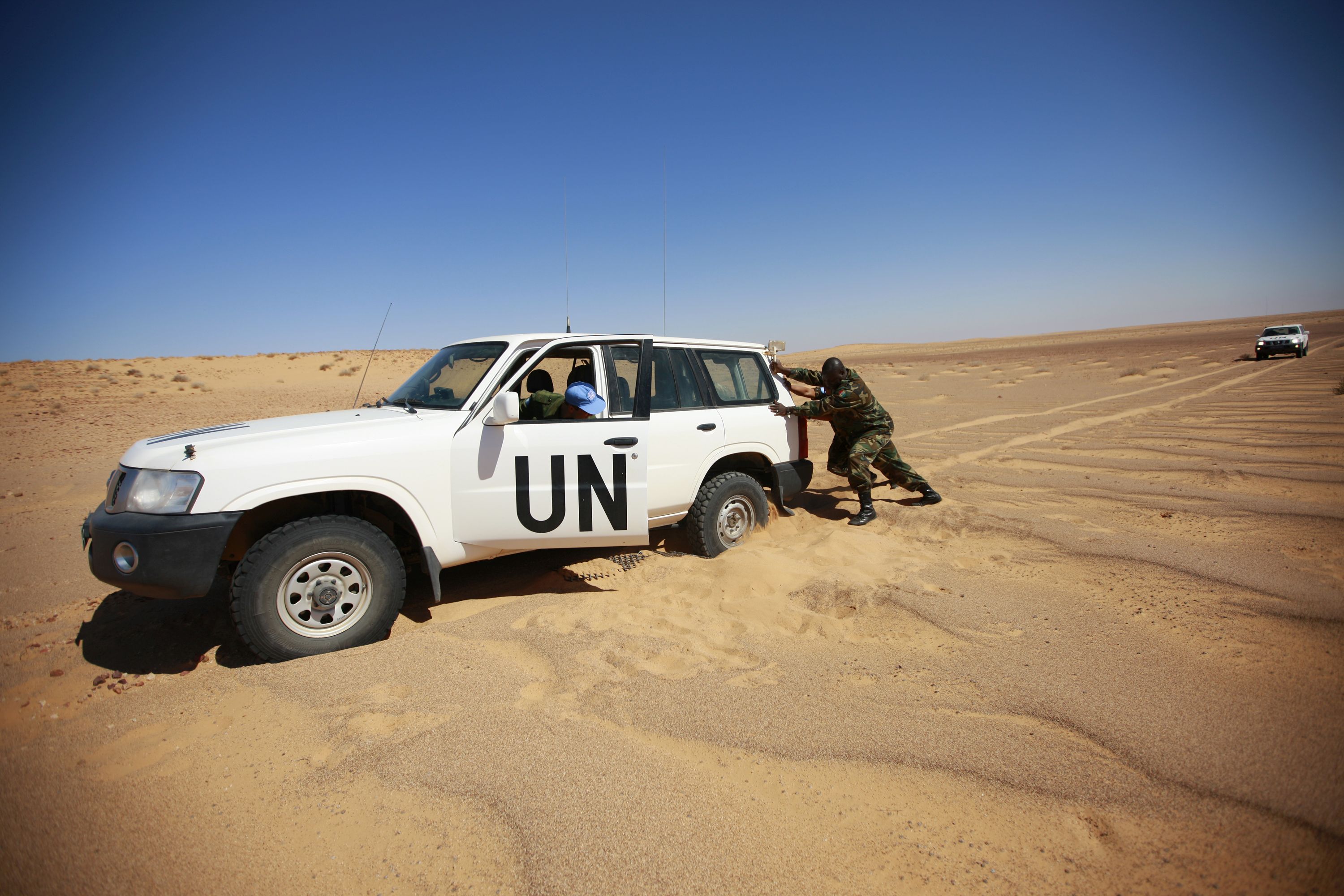
US and Russia veto competing Western Sahara resolutions, leaving MINURSO’s future uncertain
In an extraordinary confrontation, both permanent members blocked each other’s proposals on Western Sahara. With no resolution adopted, the UN mission faces an imminent expiry of its mandate.