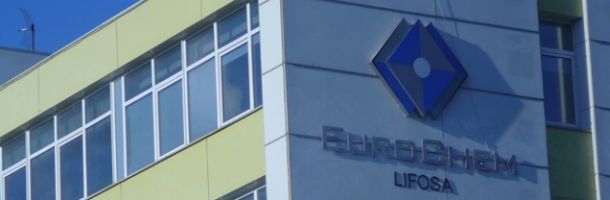
One of the biggest purchasers of Western Sahara phosphates during the years of occupation, the Lithuanian fertilizer producer Lifosa, has confirmed to WSRW that it will halt all further imports from the territory.
One of the biggest purchasers of Western Sahara phosphates during the years of occupation, the Lithuanian fertilizer producer Lifosa, has confirmed to WSRW that it will halt all further imports from the territory.
“The Group does not intend to purchase phosphate rock from Western Sahara in 2016 or any time over the foreseeable future”, EuroChem wrote to WSRW on 16 February 2016. Russian fertilizer manufacturer EuroChem is the parent company of Lifosa.
Lifosa has been one of the largest importers of phosphate rock from Western Sahara. Over the past seven years, the company took in over 2 million tonnes of Western Sahara’s white gold. The Western Sahara Resource Watch report P for Plunder 2014 ranked Lifosa as the second biggest importer globally for the reviewed calendar year.
WSRW has been in dialogue with both Lifosa and its owners, EuroChem Group, since 2010. But the company’s initial reluctance to thoroughly respond to WSRW’s questions, resulted in its June 2011 delisting from the UN List of Socially Responsible Corporations. That list is maintained by Global Compact; the UN initiative encouraging businesses worldwide to adhere to the principles of corporate social responsibility.
Ever since, Lifosa/EuroChem has actively sought ways to maintain its dialogue with WSRW and conduct further due diligence with regard to importing from Western Sahara while under occupation. The company stated to WSRW in March 2014 that it was seeking to implement ways to diversify external purchases. These strategies have now culminated into EuroChem’s decision to cease imports from Western Sahara from 2016 onwards.
“We congratulate Lifosa for adhering to international law by ending its purchases from the occupied territories", says Sandra Bogdanova, WSRW’s coordinator in Lithuania.
"Morocco has no right to sell the resources of the Saharawi people, as such sales only prolong the conflict. We guarantee that Lifosa's decision will be warmely welcomed by the people of Western Sahara", Bogdanova said.
Lifosa was the last EU importer of phosphate rock from Western Sahara.
With the company’s withdrawal, all shipments of the controversial commodity to Europe end. With one notable exception. In 2015, WSRW observed a single shipment to Ukraine – ironically, a country that is making international headlines due to Russia’s annexation of part of its national territory, Crimea.
Lifosa is part of the Switzerland registered EuroChem Group, majority owned by Russian interests. In 2013, the Australian company Impact Fertilizers also announced it would stop such purchases - also they were Swiss owned. Fertiliser companies from Norway, Germany and the US have also stopped such purchases from occupied Western Sahara.
Gdeim Izik prisoners resume hunger strike
Saharawi political prisoners have resumed a hunger strike in Moroccan prisons, demanding their release, improved detention conditions and the implementation of UN decisions.
SRI update
The following overview enlists stock-exchange registered companies with current or recent operations in occupied Western Sahara. Updated 28 September 2026.
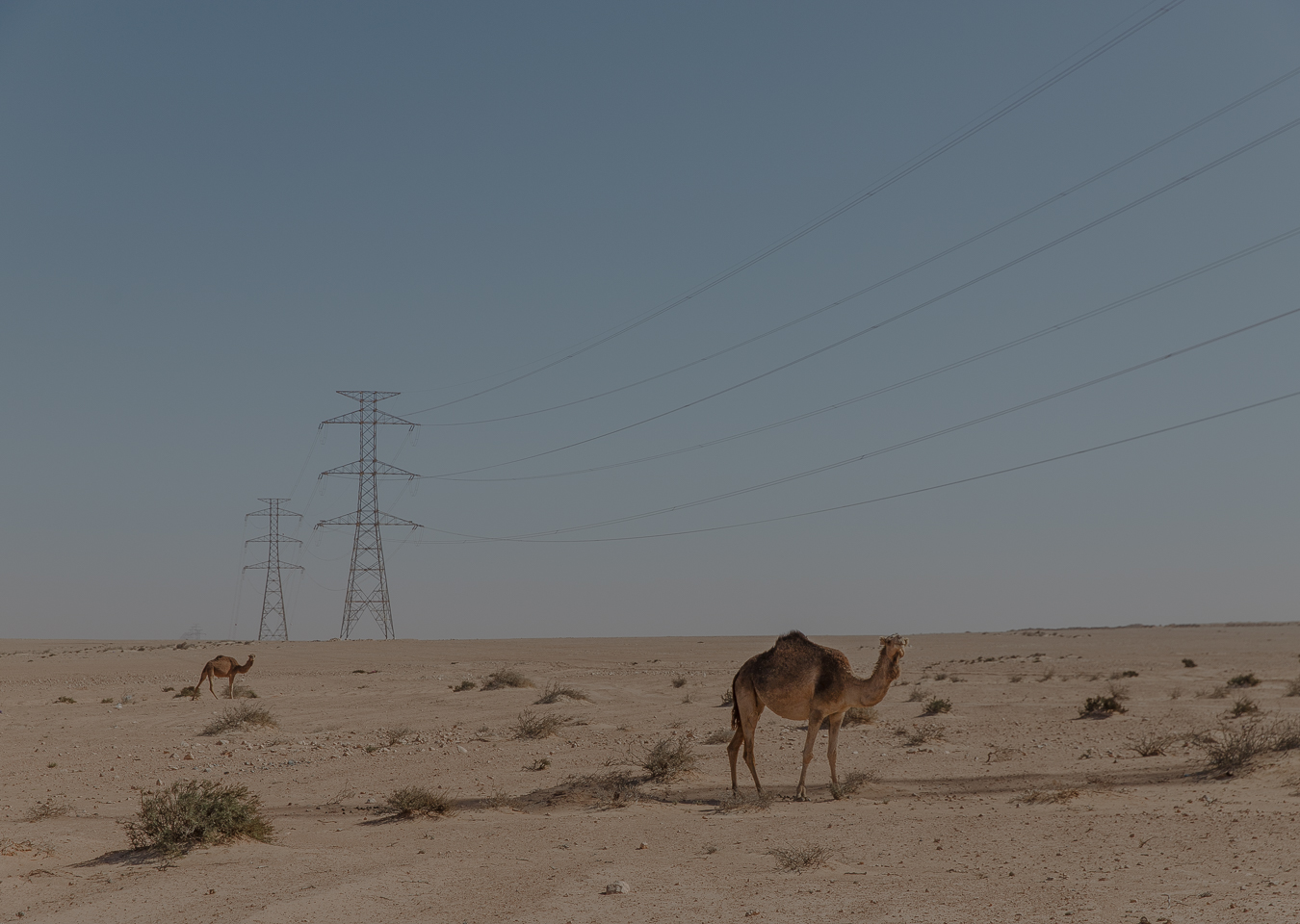
Another company of the Moroccan king involved in occupied Western Sahara
A company closely linked to Morocco’s royal business network has entered a new project in occupied Western Sahara, partnering with a Chinese state-owned electricity giant on high-voltage infrastructure in Boujdour.
Don't let resource exploitation decide Western Sahara's future
Western Sahara Resource Watch calls on the UN to address the accelerating exploitation of the territory’s natural resources - and prevent it from becoming an even greater obstacle to self-determination.