The export of phosphate rock from occupied Western Sahara has never been lower than in 2019. This is revealed in the new WSRW report P for Plunder, published today.

Western Sahara Resource Watch (WSRW) has today published its 2020 edition of the annual P for Plunder report, an overview report documenting Morocco’s trade of phosphate rock from occupied Western Sahara in the previous calendar year.
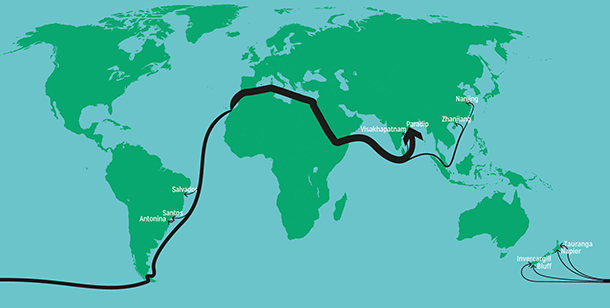
The report demonstrates that 19 vessels exported a total volume of 1.03 million tonnes of phosphate, worth an estimated US $90.4 million, out of the occupied territory in 2019.
Download the report here.
That is the lowest recorded amount ever. Compared to the previous calendar year, 2018, the exports have practically halved.
The massive reduction is mainly linked to the pulling out of Nutrien from Canada, which over the last years have imported around 50% of the controversial conflict mineral. Now that Western Sahara’s white gold is no longer exported to North America, only a handful of companies are still linked to the contentious trade.
India’s share of the export is close to 50%, the lion’s share ending up at OCP’s joint-venture in the country, Paradeep.
No less than a third of the year’s exports went to New Zealand, to farmer cooperatives Ravensdown and Ballance Agri-Nutrients which are increasingly facing criticism from Kiwi civil society groups.
The year was also marked by 4 mystery shipments. Two of those were small consignments that went to Brazil. WSRW suspects the small fertilizer producer Fertipar to be the importer, but has not received any replies to its inquiries from the company. The other two shipments went to two different ports in China. It is unclear who the importer is.
The report also sheds light on companies that are involved in the technical aspects of Morocco's operation of Western Sahara's phosphate reserves, including Continental, Siemens, Worley and Epiroc/AtlasCopco, and on the shipping firms that ensure transport of the controversial commodity around the globe.
Since the detention of vessels transporting Western Saharan phosphate in Panama and South Africa in 2017, not a single shipment has taken those routes. That trend continues to this day.
WSRW calls on all companies involved in the trade to immediately halt all purchases of Western Sahara phosphates until a solution to the conflict has been found and the Saharawi people have been assured the exercise of their fundamental right to self-determination. Investors are requested to engage or divest unless companies commit clearly to withdrawing from the trade.
Similar P for Plunder reports were also published in 2014, 2015, 2016, 2017, 2018 and 2019. A print version of the new report, launched today, can be downloaded here (13Mb).
Moroccan budget: Four hydrogen projects in occupied Western Sahara
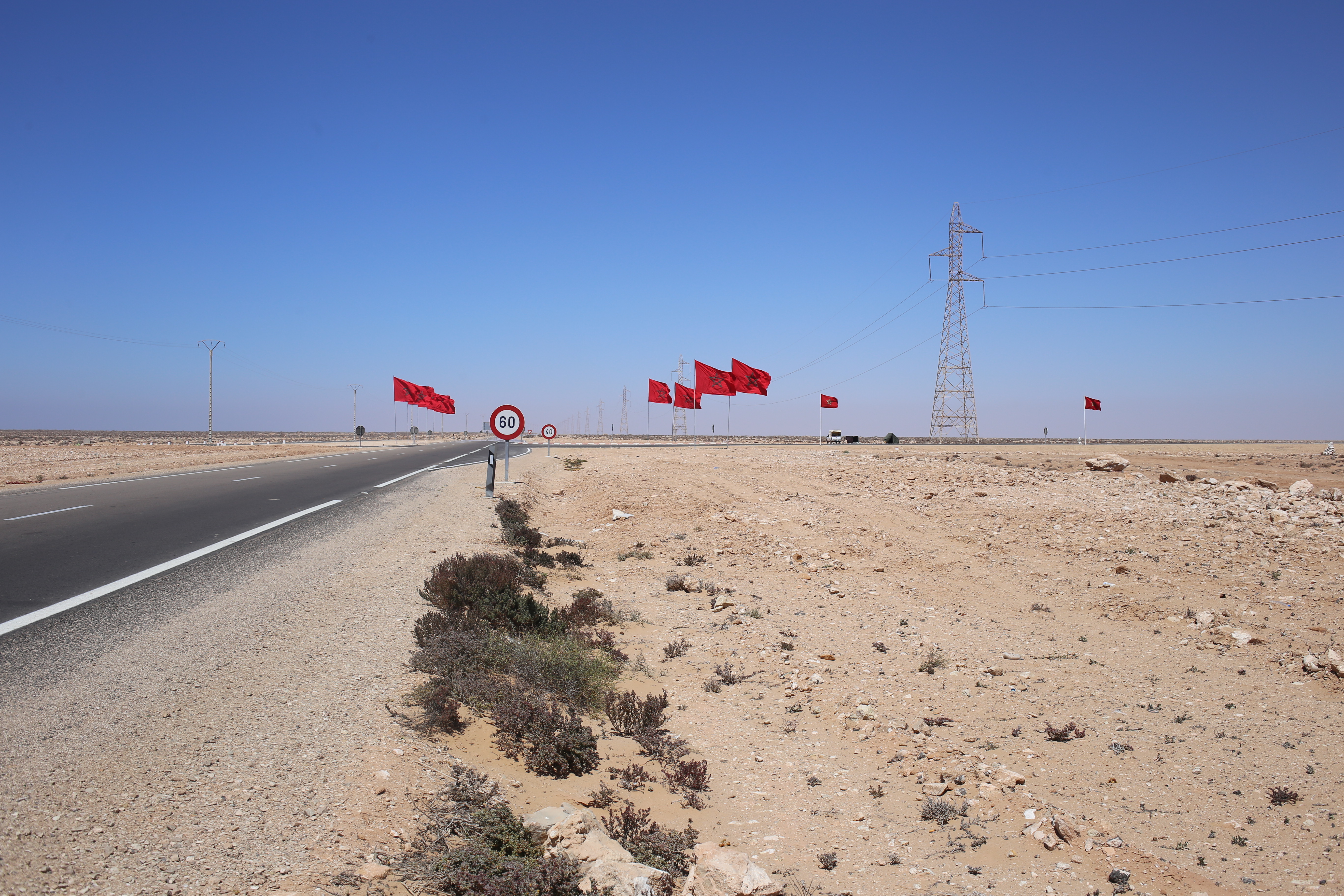
Morocco’s Finance Bill for 2027 reveals that four out of six planned green hydrogen projects are located in occupied Western Sahara.
Swedish hydrogen company embraces Morocco’s position on Western Sahara
S2H2+Bm has publicly welcomed Morocco’s annexation of Western Sahara, while refusing to clarify whether its planned green hydrogen investments will take place in the occupied territory.
Guterres reminds Morocco: Self-determination still stands
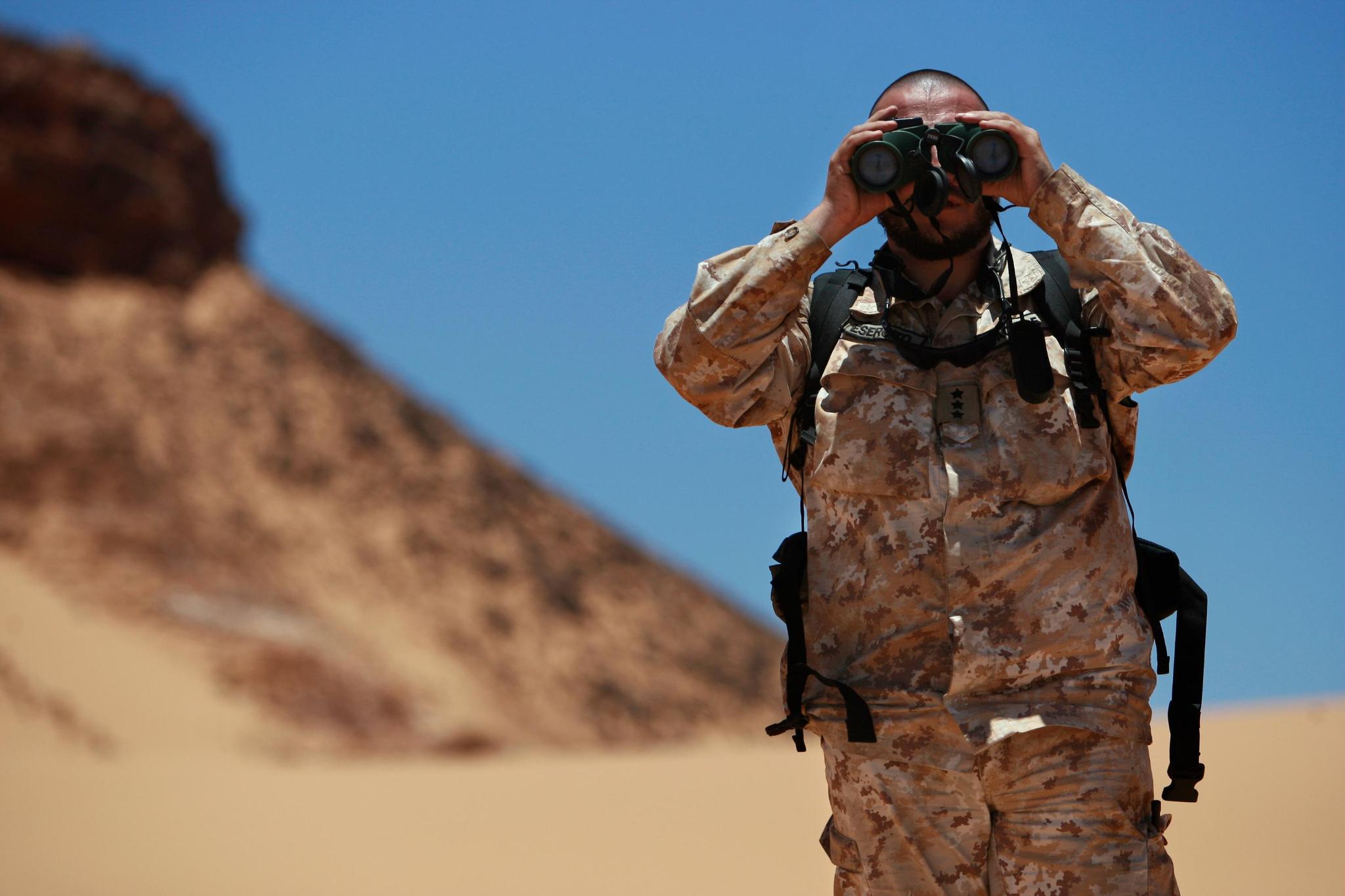
In one of his final statements as UN Secretary-General, António Guterres has made an unequivocal point: the end of MINURSO does not extinguish the inalienable right of the Saharawi people to self-determination. It is a reminder that Morocco cannot declare the Western Sahara question closed simply because the UN mission is leaving.
Morocco allocates vast tracts of occupied Western Sahara
Moroccan budget documents released in late October reveal that the kingdom allocated tens of thousands of hectares of land in occupied Western Sahara to investment projects.