
The Norwegian sovereign wealth fund, worth $834 billion and owning around 1.3 percent of all listed global shares, stated that:
"The Council recommends the exclusion (of Cairn and Kosmos)... due to an unacceptable risk of the companies contributing to serious violations of fundamental ethical norms through their hydrocarbon exploration offshore Western Sahara," the council said.
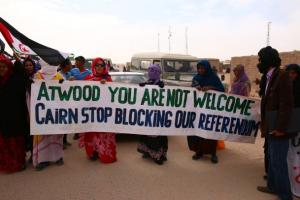 "The Council is of the view that no distinction can be made between exploration and exploitation activities in this context," the council said, adding that it "has not been satisfied that the operations take place in accordance with the wishes and interests of the local people".
See press release from Norwegian Bank Investment Management and the 15 page analysis about Kosmos's and Cairn's activities in Western Sahara, from the bank's Council on Ethics.
As of 31 December 2015, the fund had 15,6 million dollars invested in Kosmos Energy, representing 0,78 % of the shares. The investment in Cairn Energy was 38,2 million dollars, representing 2,85% of the shares of the company.
American oil company Kosmos Energy operates the Cap Boujdour Offshore block, located off the mid-coast of occupied Western Sahara. In October 2013, Kosmos Energy found a partner in Scottish Cairn Energy which took on a 20% stake. The third partner is Morocco's state-owned oil company ONHYM (25%). Kosmos Energy is responsible for the first ever drilling operation in occupied Western Sahara, which it undertook in December 2014.
Read more about Kosmos and Cairn's unscrupulous actions in Western Sahara in our report "A Platform for Conflict". Check also our background briefing on Kosmos.
Three-quarters of Western Sahara have been illegally occupied by Morocco since 1975. The people of the territory have an internationally backed right to self-determination - but Morocco continues to block the referendum. Meanwhile it brutally oppresses the Saharawis in their own land, while selling off the territory's resources as if it was entitled to do so. But it is not.
In 2002, a UN Legal Opinion concluded that all exploration and exploitation of Western Sahara's mineral resources was illegal, unless the Saharawi people consented to and benefited from such operations. The Saharawis have consistently spoken out against the oil search in their land - but have been ignored by the oil firms who work for the Moroccan government.
Both Kosmos and Cairn have stated to the media that they disagree with the decision.
But the fund's ethics council stands its ground. "There is no company in the world which says that it agrees its behaviour is grossly unethical," the ethics council's administrative leader, Eli Ane Lund, told Reuters. The approach taken by the two companies, signing a 'joint-declaration' with the Moroccan state oil company, was given limited value by the Council on Ethics, and a social impact assessment had some fundamental flaws, not going into the core question of seeking local consent from the people of the territory.
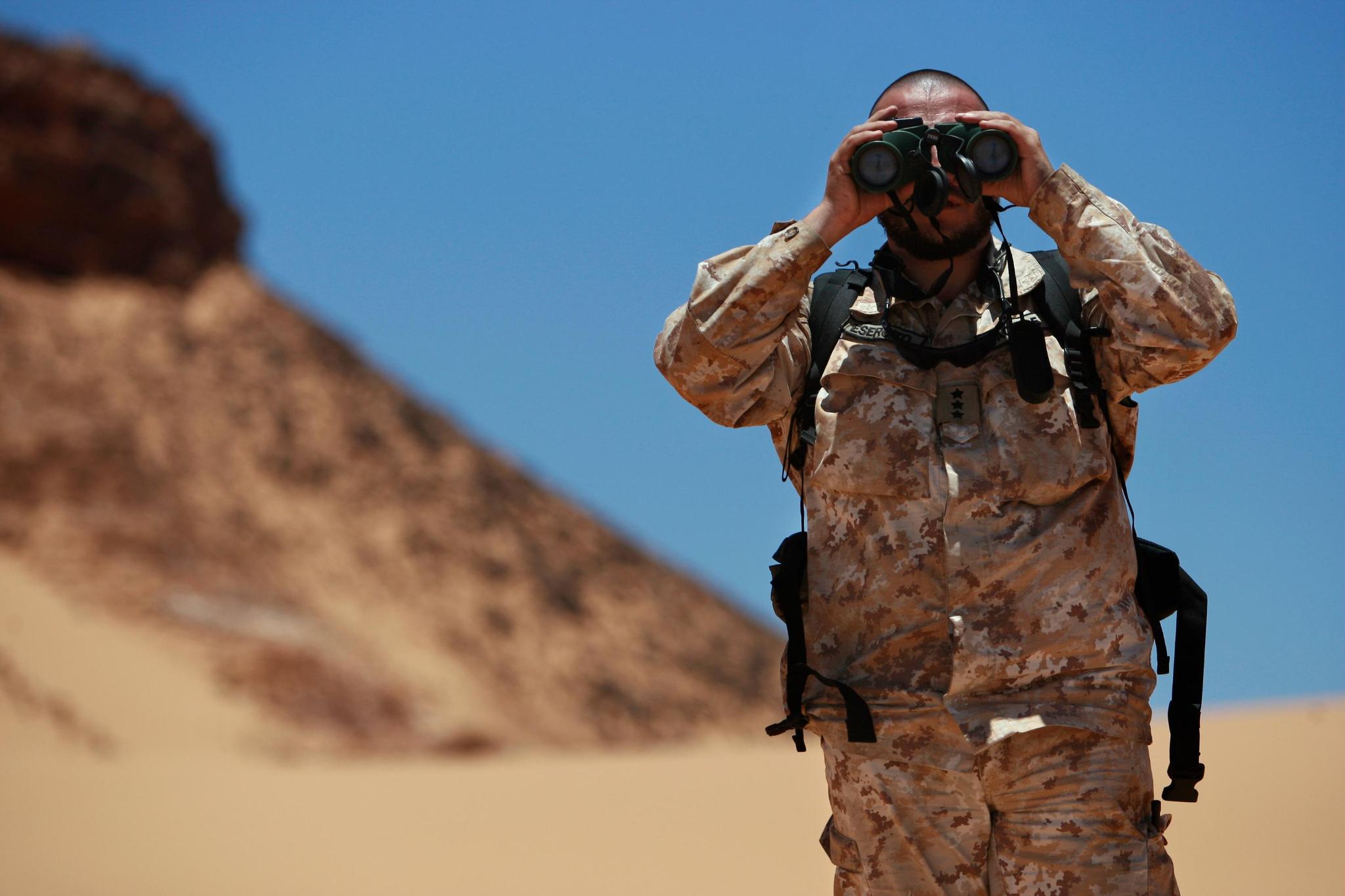
Guterres reminds Morocco: Self-determination still stands
In one of his final statements as UN Secretary-General, António Guterres has made an unequivocal point: the end of MINURSO does not extinguish the inalienable right of the Saharawi people to self-determination. It is a reminder that Morocco cannot declare the Western Sahara question closed simply because the UN mission is leaving.
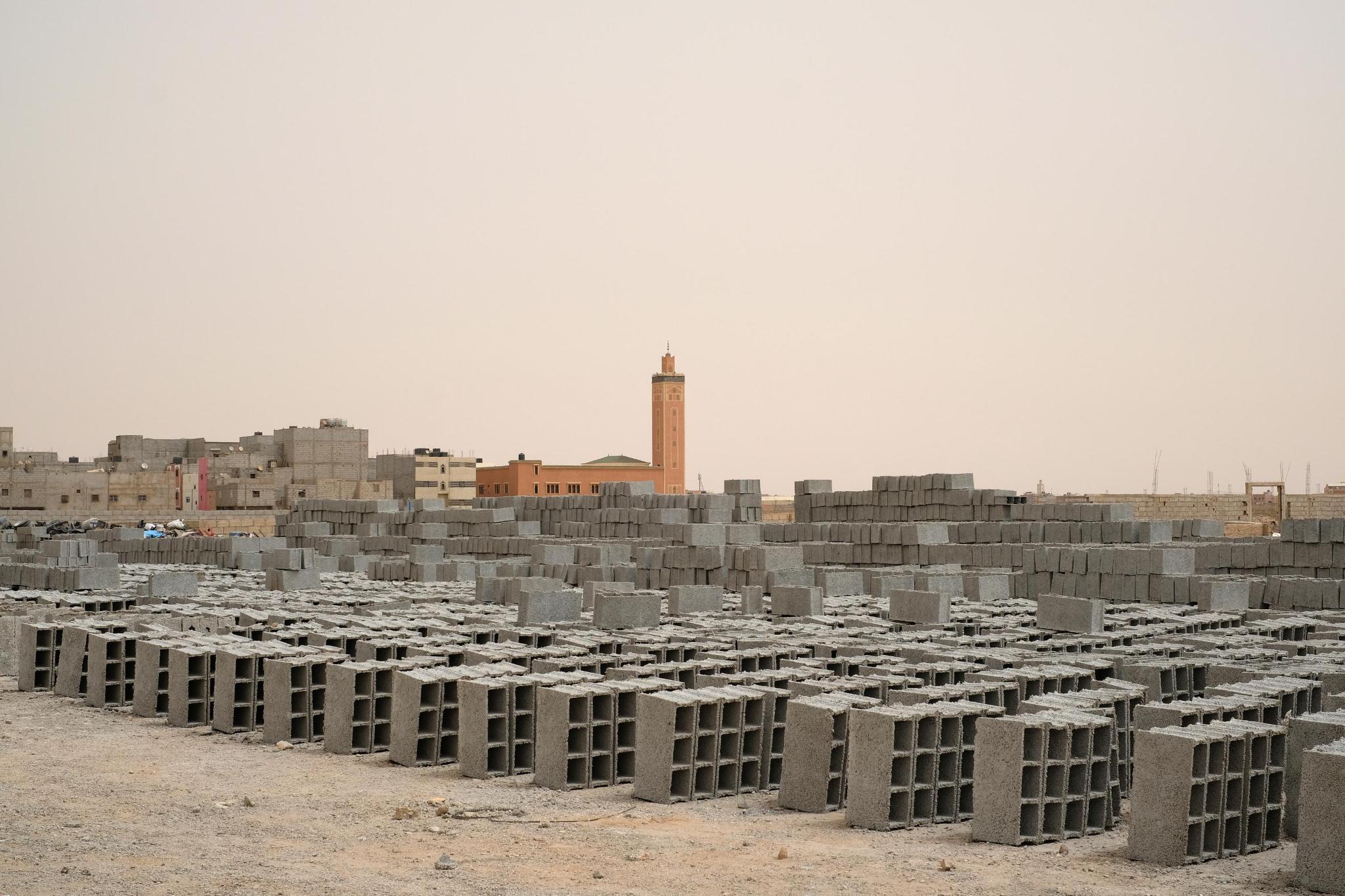
Morocco allocates vast tracts of occupied Western Sahara
Moroccan budget documents released in late October reveal that the kingdom allocated tens of thousands of hectares of land in occupied Western Sahara to investment projects.
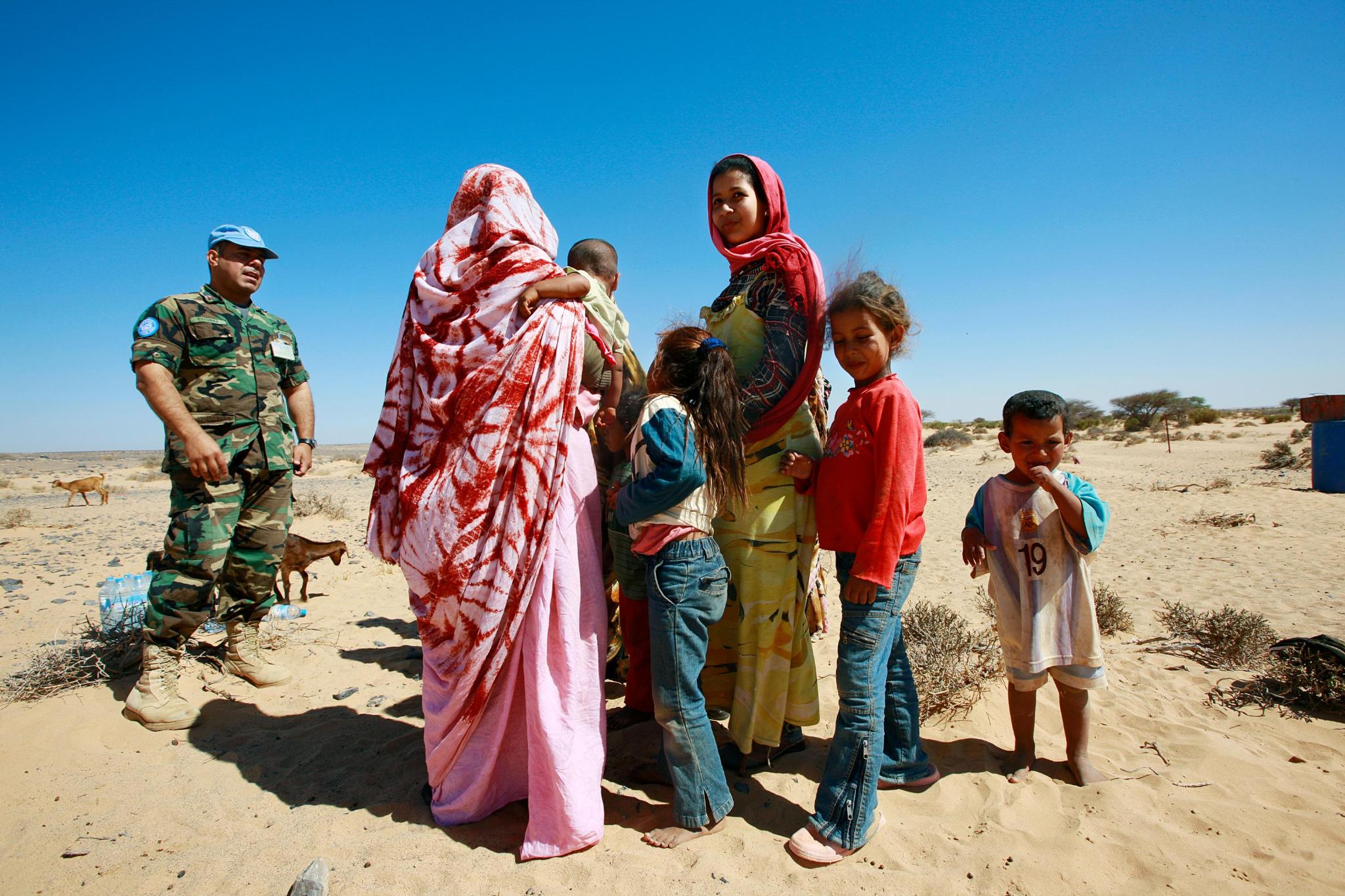
When countries defend self-determination while voting against it
Our analysis of yesterday's UN Security Council vote on Western Sahara reveals a striking gap between what some governments said about the Saharawi people's right to self-determination and the resolution they voted to support.
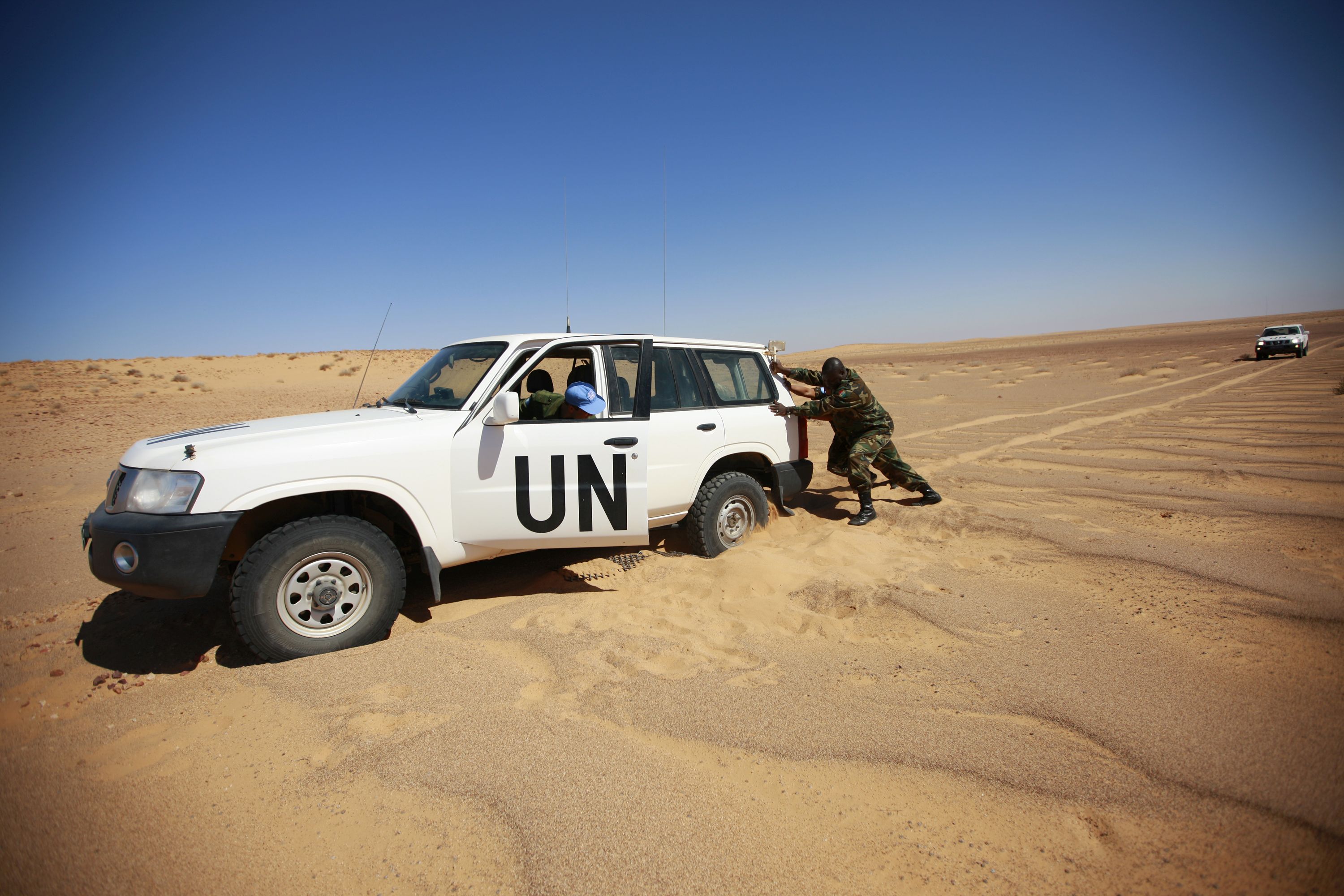
US and Russia veto competing Western Sahara resolutions, leaving MINURSO’s future uncertain
In an extraordinary confrontation, both permanent members blocked each other’s proposals on Western Sahara. With no resolution adopted, the UN mission faces an imminent expiry of its mandate.