WSRW: Saharawi’s rights must be addressed
Next month, Morocco’s human rights track record will be reviewed by the UN Human Rights Council in Geneva. Western Sahara Resource Watch asks the international community to raise the Saharawi people's rights.
Published 02 April 2012
Every four years, all UN member states are reporting their human rights progress to the UN Human Rights Council, under the so-called Universal Periodic Review. Western Sahara Resource Watch last year sent in a stakeholder submission to the council, recommending Morocco to respect the rights of the Saharawis, specifically their right over natural resources.
“The submitting organisations have noted and carefully assessed Morocco’s claims of socio-economic development of Western Sahara, and note emphatically in response that the activities underpinning such alleged development are not to the benefit nor are done with the consent of the Saharawi people”. So concludes the report which WSRW submitted with the Spanish organisation Sahara Thawra. The report was officially presented in Geneva on 29 March.
Download the report here.
Right to consent
Under international law, it is illegal for an occupying power to trade in natural resources stemming from the territory under occupation, like Western Sahara, if proceeded in disregard of the wishes and the interests of the people of that territory.
But the Saharawi have never consented to Morocco’s continuous plunder of the richness harboured by their soil and sea, nor do they reap the benefits thereof. Instead, their most fundamental human rights are trampled. “Morocco’s disrespect for such basic rights of the Saharawi population of Western Sahara has resulted in continuing massive protests denouncing the Saharawi’s dire socio-economic living conditions, contrasting with Morocco’s ongoing plunder of their homeland’s natural resources,” the report reads.
The report lists examples of how Moroccan settlers, drawn to the occupied territory by alluring tax exemptions and lower living costs, receive preferential treatment in the job market that is essentially rooted in the illegal pillage of Western Sahara.
“It is the nexus between the pillage of natural resources in Western Sahara coupled with the introduction of settlers from Morocco - now substantially outnumbering the Saharawi population - that is the gravest concern for impeding the work, civic participation and social circumstances of the Saharawi people in the occupied part of the territory,” it is stated.
Recommended improvements
On 22 May, Morocco will be invited to demonstrate its compliance with the UN Treaties in a session of the UN Human Rights Council in Geneva.
WSRW and Sahara Thawra stress that Morocco should also be held accountable for its human rights track-record outside of its internationally recognised borders, namely in the areas of Western Sahara it has occupied since 1975.
The two organisations recommend the Government of Morocco to:
• To guarantee the implementation of a referendum on self-determination in Western Sahara.
• To refrain from any further natural resource-related activities in Western Sahara until the final status of the territory has been established under the auspices of the UN-led peace process.
• To specifically report on its performance on the socio-economic rights of the Saharawi people, under the ICCPR, ICESCR and the Fourth Geneva Convention.
• To cease and reverse the influx of Moroccan settlers to Western Sahara.
• To cease and reverse the work incentives given to Moroccans in Western Sahara, and stop the continued housing programmes in the territory.
• To allow independent groups, parliamentarians and journalists access to Western Sahara to monitor the Saharawi‟s socio-economic situation.
• To guarantee a fair, transparent and credible legal process for Saharawi currently imprisoned for defending their socio-economic rights, including those arrested in the Gdeim Izik protest camp or otherwise since October 2010.
News
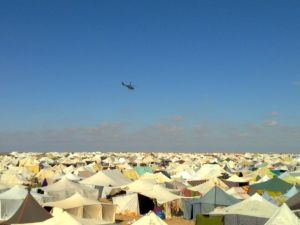
Gdeim Izik prisoners resume hunger strike
Saharawi political prisoners have resumed a hunger strike in Moroccan prisons, demanding their release, improved detention conditions and the implementation of UN decisions.
06 October 2026
SRI update
The following overview enlists stock-exchange registered companies with current or recent operations in occupied Western Sahara. Updated 28 September 2026.
28 September 2026
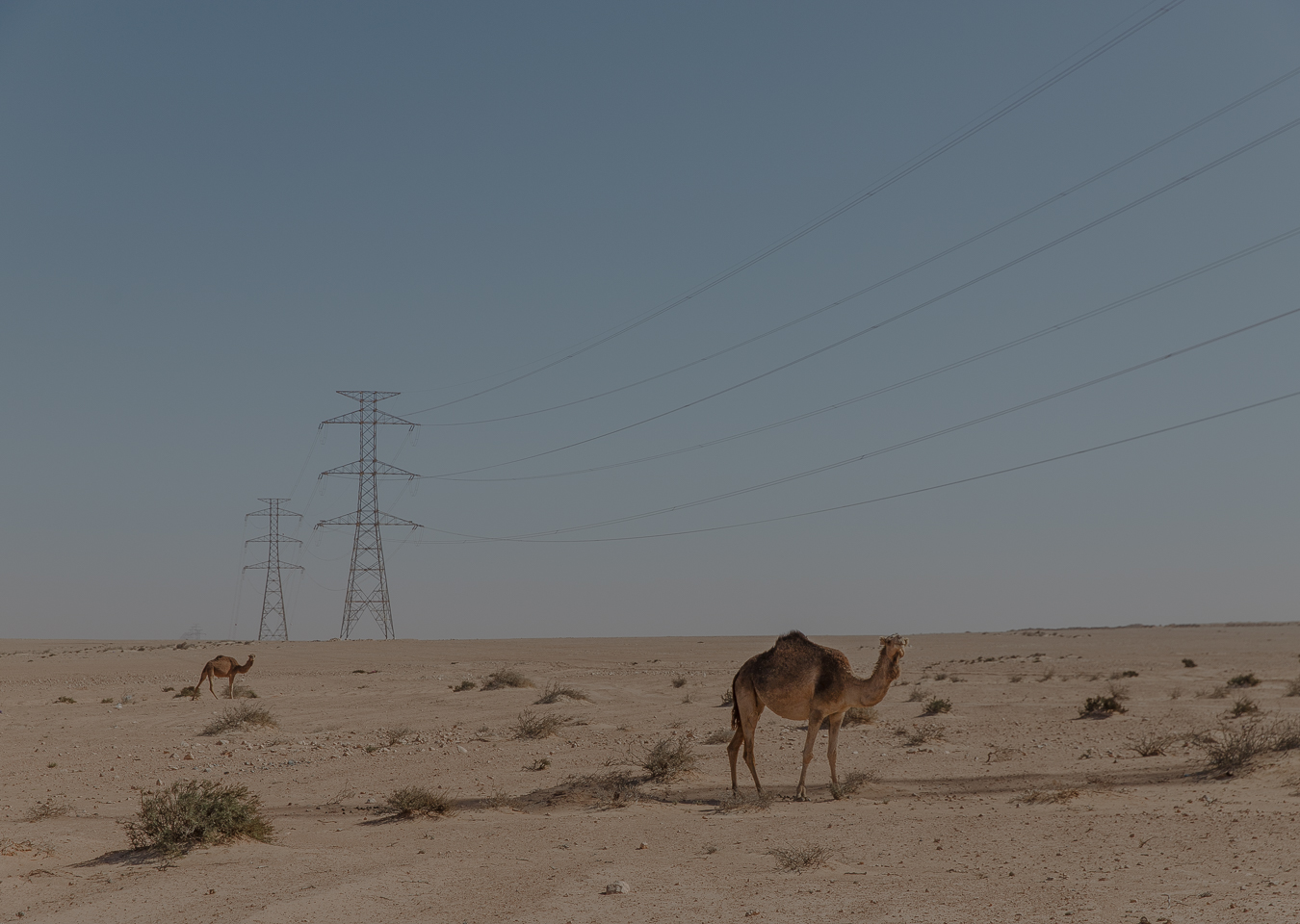
Another company of the Moroccan king involved in occupied Western Sahara
A company closely linked to Morocco’s royal business network has entered a new project in occupied Western Sahara, partnering with a Chinese state-owned electricity giant on high-voltage infrastructure in Boujdour.
10 September 2026
Don't let resource exploitation decide Western Sahara's future
Western Sahara Resource Watch calls on the UN to address the accelerating exploitation of the territory’s natural resources - and prevent it from becoming an even greater obstacle to self-determination.
08 September 2026