Saharawi political prisoners have resumed a hunger strike in Moroccan prisons, demanding their release, improved detention conditions and the implementation of UN decisions.
Saharawi political prisoners from the Gdeim Izik group began an open-ended hunger strike on 23 September, protesting their continued imprisonment and demanding the implementation of decisions by UN human rights bodies. The prisoners are also calling for transfers to prisons in occupied Western Sahara, closer to their families.
The renewed strike follows the suspension of an earlier hunger strike by Saharawi human rights defender Ennaama Asfari on 24 July. According to the French pro-Saharawi solidarity association AARASD, the prisoners resumed their protest after the Moroccan prison administration failed to honour commitments to engage in dialogue, facilitate transfers and respect visiting rights.
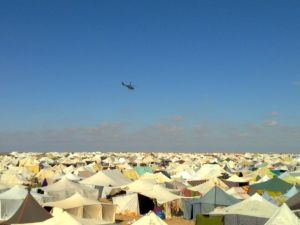
The Gdeim Izik group were arrested following the dismantling of a large Saharawi protest camp outside El Aaiún on 8 November 2010. Thousands of Saharawis had gathered at the camp to protest their socioeconomic marginalisation, unemployment and exclusion from economic opportunities in their homeland under Moroccan occupation. The protesters also denounced the exploitation of Western Sahara's natural resources while Saharawis remained marginalised.
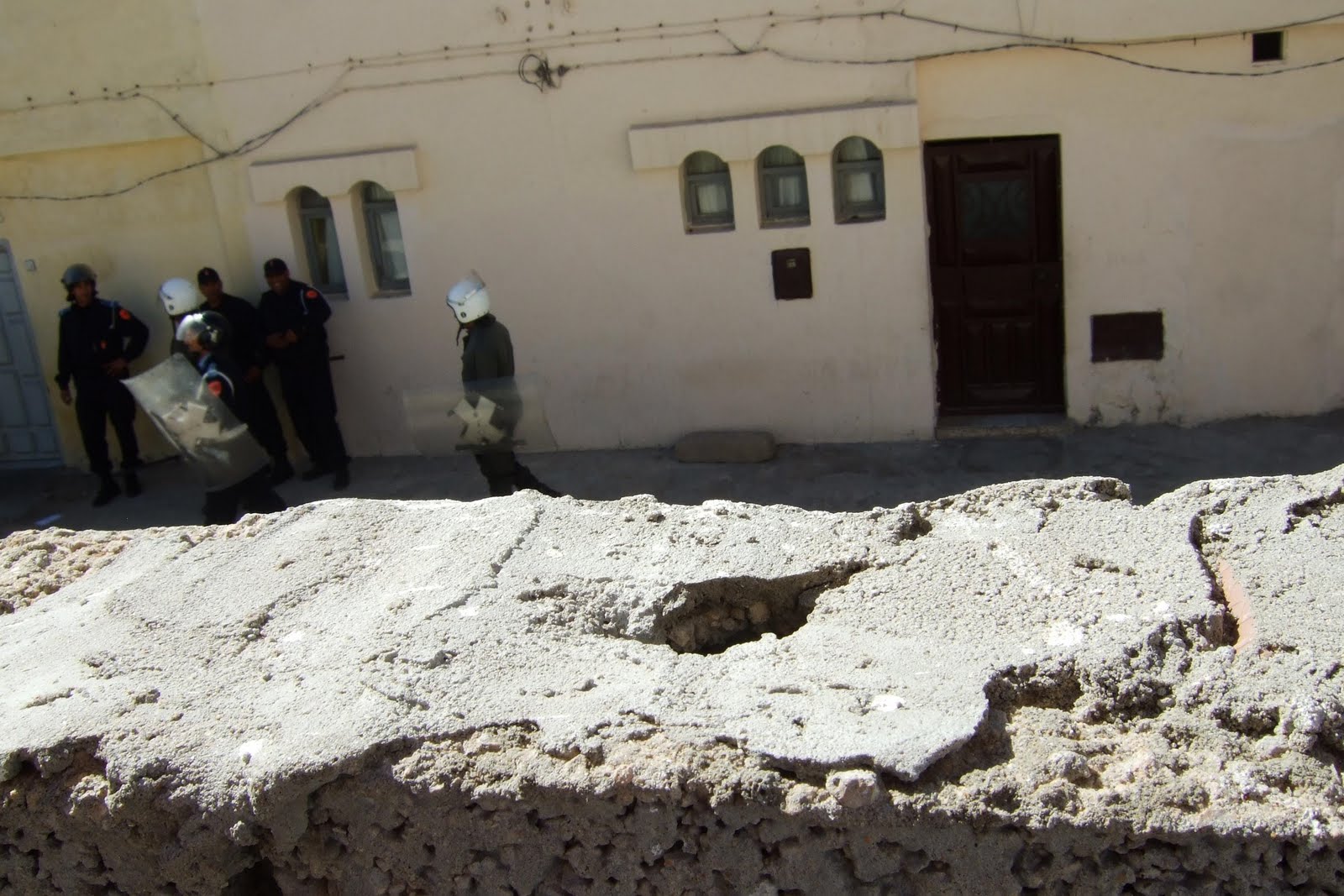
The camp, which grew to accommodate as many as 10,000-20,000 people, became a symbol of Saharawi demands for social and economic rights. Moroccan security forces dismantled it in a violent operation, followed by arrests and trials that resulted in prison sentences ranging from 20 years to life imprisonment.
Western Sahara Resource Watch (WSRW) has previously reported on the socioeconomic grievances behind the protest camp and the subsequent imprisonment of its participants.
In Opinion No. 23/2023, the UN Working Group on Arbitrary Detention concluded that the detention of the Gdeim Izik group was arbitrary, citing serious violations of fair-trial guarantees, including the use of confessions allegedly obtained under torture. The Working Group called for their immediate release, compensation and an independent investigation.
Among the prisoners are Sidahmed Lemjiyed, secretary-general of the CSPRON, the Saharawi Committee for the Protection of Natural Resources, and member of the Advisory Council of WSRW.
The current hunger strike involves prisoners held in Kénitra, Tiflet and Aït Melloul prisons in Morocco. Their demands include an end to alleged torture and reprisals, independent medical monitoring and regular contact with their families and lawyers. They also demand transfers to the prison in occupied El Aaiún, arguing that the long distances to Moroccan prisons place significant financial, psychological and social burdens on their relatives. The initial announcement of the hunger strike, explained that it involved nine of the prisoners. From what WSRW understands, the number may now be down to seven.
On 1 October, the Collective of Saharawi Human Rights Defenders in Western Sahara (CODESA) visited the families of several hunger strikers. CODESA reported that the family of El-Bachir Khadda had raised concerns about isolation and harassment following his transfer to El Aaiún, while the family of Abdallah Bahaa reported having had no contact with him for nine days. Ahmed Sbaai's mother also reported a serious deterioration in her son's health.
CODESA has called on the Moroccan authorities to ensure the prisoners' safety, provide independent medical care and allow contact with their families and lawyers. The organisation has reiterated its demand for the immediate and unconditional release of the Gdeim Izik group.
The renewed hunger strike brings renewed attention to the socioeconomic grievances that first brought thousands of Saharawis to Gdeim Izik in 2010, and to the continued consequences for those imprisoned following the protest.
UN Security Council may endorse the occupation of Western Sahara
On the 30th of October, the UN Security Council may vote on a resolution on Western Sahara that sets aside the Saharawi people's right to self-determination, in violation of the UN Charter.
Polisario takes legal action to stop Ryanair
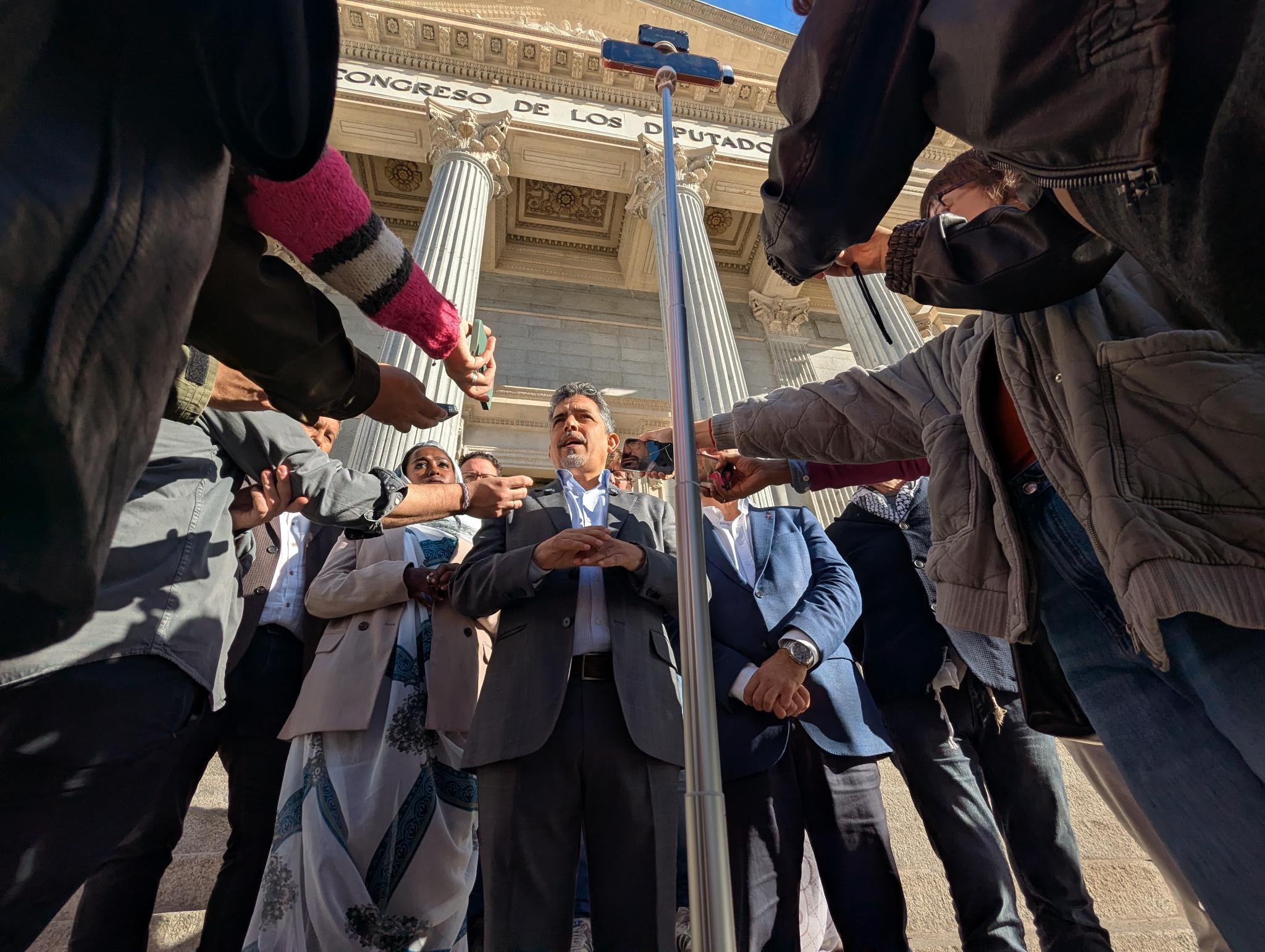
In a press conference in Madrid today, Polisario Front announced that the Western Sahara liberation movement is opening a legal case against the Spanish authorities for having issued a permit to Ryanair to fly to occupied Western Sahara.
Irish ad watchdog: Ryanair misleading about flights to Western Sahara
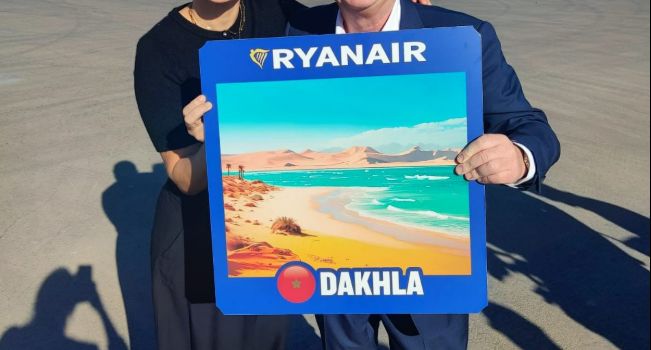
In a preliminary decision, the Irish advertising watchdog says the airline’s ads are likely to mislead, as Dakhla is “not a part of Morocco”.
SRI update
The following overview enlists stock-exchange registered companies with current or recent operations in occupied Western Sahara. Updated 28 September 2026.