
"It turns out that the tomatoes are from Dakhla in occupied Western Sahara, so we are not going to sell them anymore. These things are not supposed to happen", stated media officer Ingmar Kroon at the Swedish grocery chain Axfood.
It was the Swedish magazine 'Västsahara¨which in April this year discovered cherry tomatoes from the firm Azura in a shop in Gothenburg. The shop belonged to the grocery chain Axfood, with 225 shops in Sweden.
Azura is a French-Moroccan business producing vegetables in Agadir and in the the occupied town of Dakhla in southern parts of Western Sahara.
"I know the Western Sahara issue well. Of course we should not sell products from an occupied territory", said Axfood's media officer Ingmar Kroon to the Swedish magazine.
When Axfood carried out its first control, they were told that the tomatoes were from "Southern Morocco", but when looking further into the issue, they discovered they were from Dakhla. Azura stated to Axfood that EU's agreement with Morocco also covers Western Sahara.
"But we are not of that opinion", stated Mr. Kroon.
In 2009, Azura tomatoes were discovered also in the shops of Coop in Norway and Sweden. Coop Norway then promised to halt all furthher imports. Coop Sweden announced that their tomatoes, on the other hand, only came from Agadir - not Dakhla.
8000 people work in the Azura's giant green houses in Dakhla, most of all producing tomatoes and melons for exports.
SRI update
The following overview enlists stock-exchange registered companies with current or recent operations in occupied Western Sahara. Updated 28 September 2026.
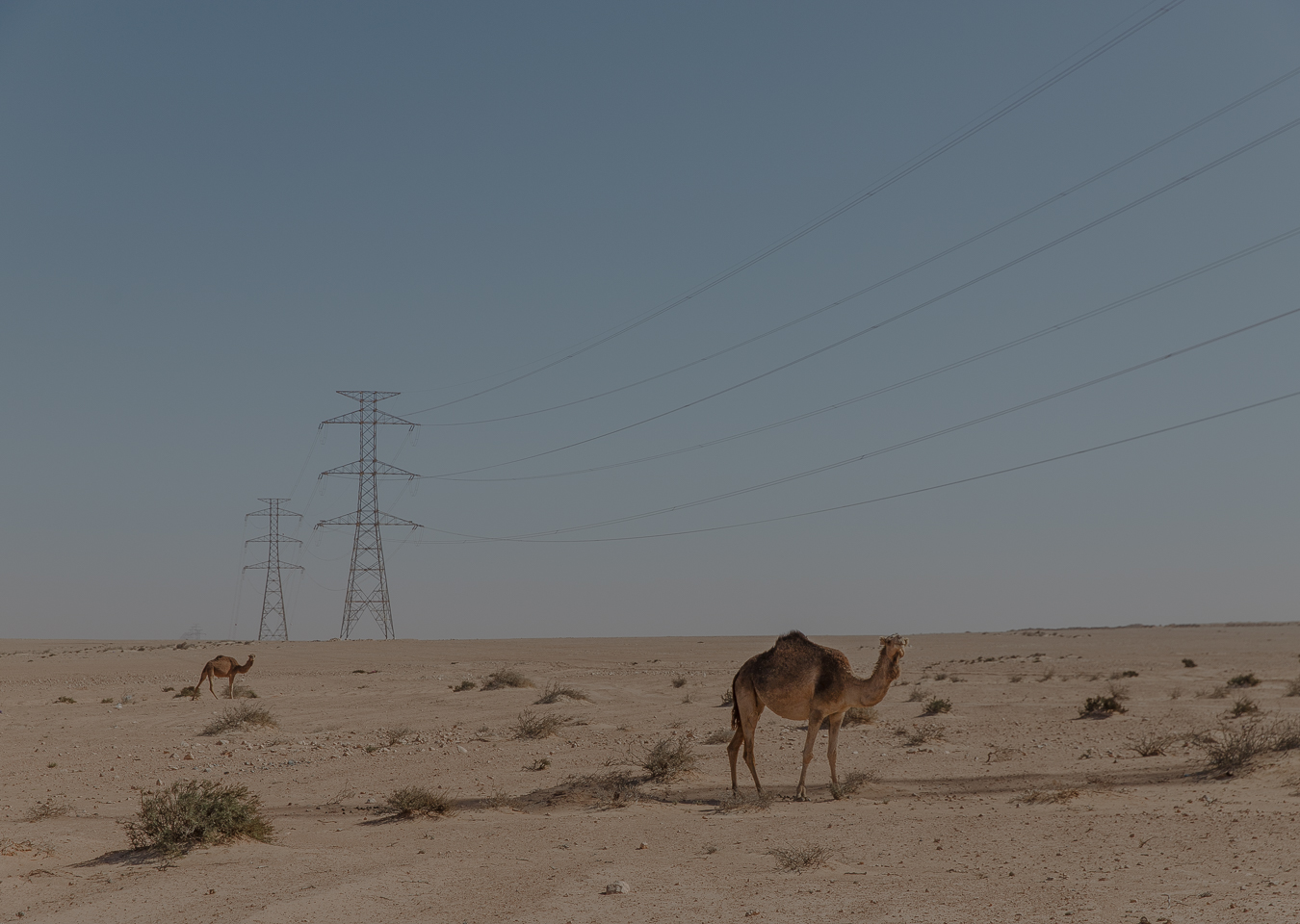
Another company of the Moroccan king involved in occupied Western Sahara
A company closely linked to Morocco’s royal business network has entered a new project in occupied Western Sahara, partnering with a Chinese state-owned electricity giant on high-voltage infrastructure in Boujdour.
Don't let resource exploitation decide Western Sahara's future
Western Sahara Resource Watch calls on the UN to address the accelerating exploitation of the territory’s natural resources - and prevent it from becoming an even greater obstacle to self-determination.
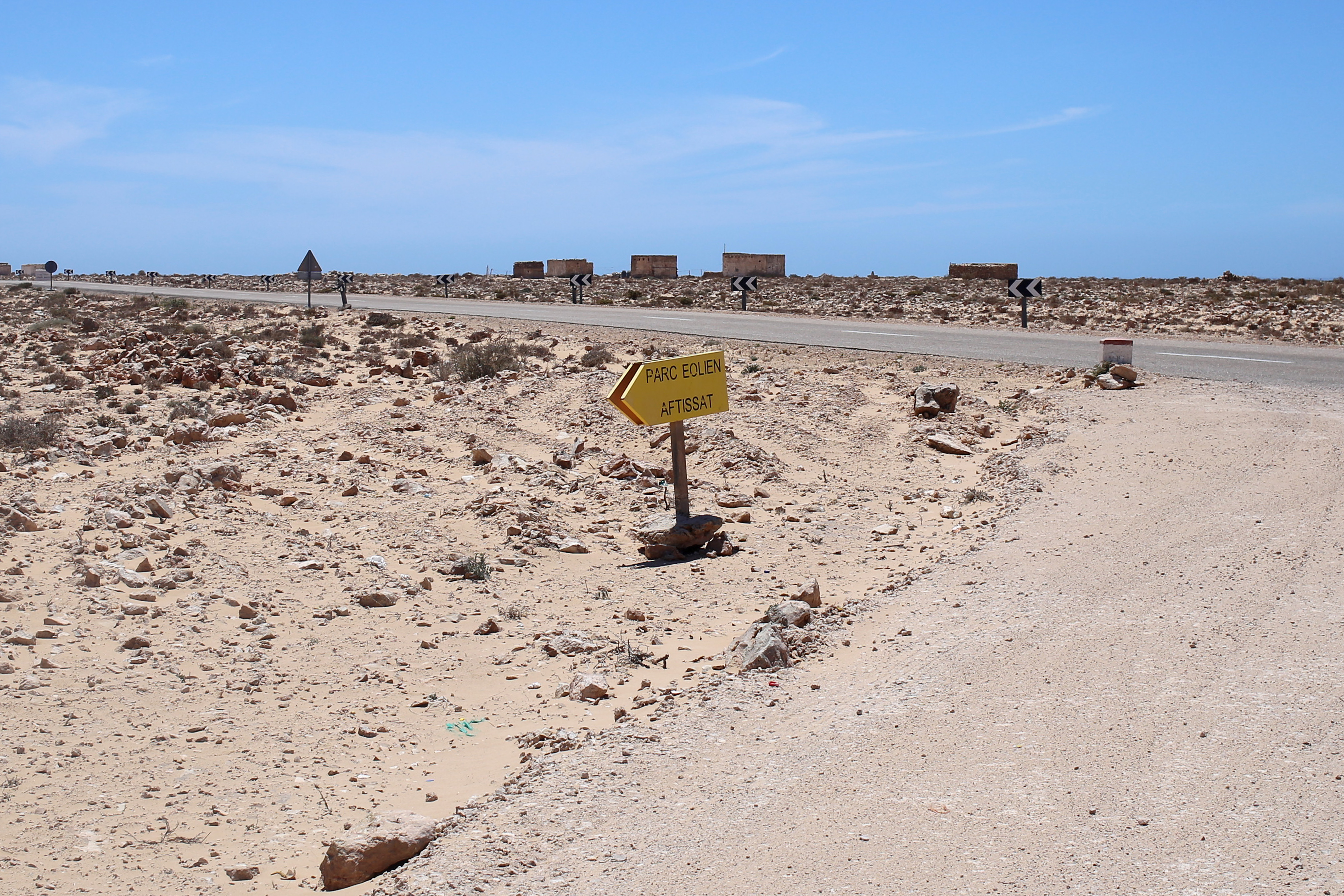
Occupied Western Sahara wind complex expands into Africa's top three
The Moroccan king’s energy company appears to have completed two new phases of the Aftissat wind power complex in occupied Western Sahara.