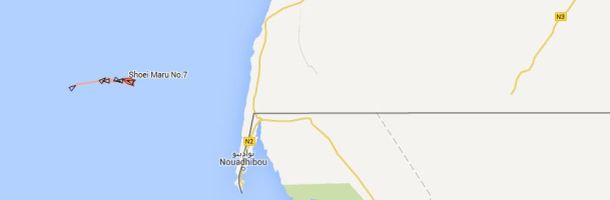
Three Japanese fishing vessels have the last 48 hours been fishing in Saharawi waters. WSRW has asked the Japanese government to intervene.
In a letter to the Japanese government today, Western Sahara Resource Watch issues a call to "to end the fishing in which they have been engaged".
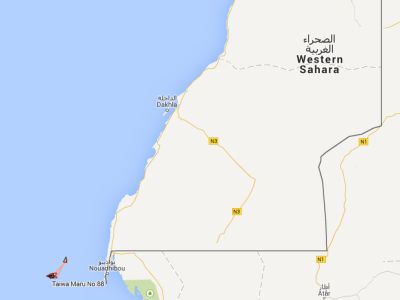
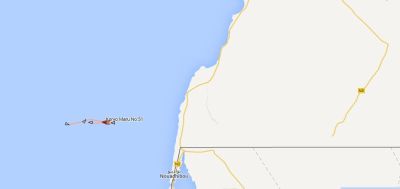
The three longliner fishing vessels 'Koryo Maru No. 51' (IMO number 8915990), 'Shoei Maru No. 7' (IMO number 9120023) and Taiwa Maru No. 88' (IMO number 9053488) were all seen on the 16 and 17 of October to fish in the waters of Western Sahara.
The vessels are there of one of two reasons: either on a licence signed by the Moroccan government covering a territory which is not part of Morocco, or without such a licence - meaning that the the vessels fish there even without the occupying power's approval or intervention.
In either case, the presence of Japanese fishing vessels in the territory takes place in violation of the rights of the owners of the fish; the people of Western Sahara, and in violation of international law. No state recognises Moroccan claims to the territory.
Half of the Saharawi people, the sole inhabitants of the territory prior to the Moroccan occupation, have fled their homeland, and live now as refugees in the Algerian desert.
The presence of Japanese fishing vessels in the waters offshore Western Sahara illustrates the poor environmental control by the Moroccan government in the waters they illegally occupy.

Trial underway over firebombing of WSRW partner in Denmark
A trial has begun in Copenhagen against four men accused of carrying out the January 2025 arson attack on the offices of WSRW partner Global Aktion.

Heidelberg Materials deepens its role in Morocco’s occupation of Western Sahara
The German company confirms once again that its operations in occupied Western Sahara are closely tied to Morocco’s infrastructure expansion in the territory - while continuing to dismiss the Saharawi people’s right to consent.

The conflict phosphates - four decades of plunder
For over 40 years, a Moroccan state-owned company has exported phosphate rock from occupied Western Sahara.
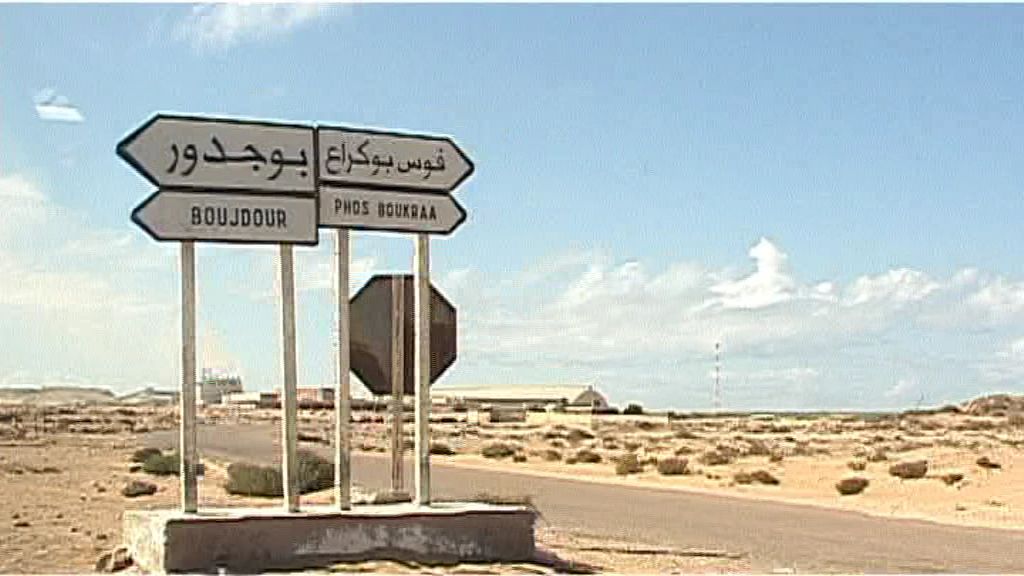
Record low number of importers of Western Sahara phosphates
Only three companies imported phosphate rock from occupied Western Sahara in 2025 - the lowest number ever recorded. The findings appear in our annual P for Plunder report, released today.