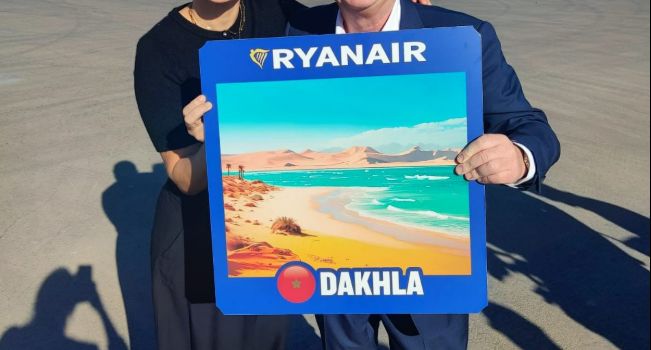
In einer vorläufigen Entscheidung stellt die irische Werbeaufsichtsbehörde fest, dass die Anzeigen der Fluggesellschaft geeignet sind, in die Irre zu führen, da Dakhla „kein Teil Marokkos ist“.
Die sahrauischen politischen Gefangene haben in marokkanischen Gefängnissen erneut einen Hungerstreik begonnen und fordern ihre Freilassung, bessere Haftbedingungen sowie die Umsetzung von UN-Beschlüssen.
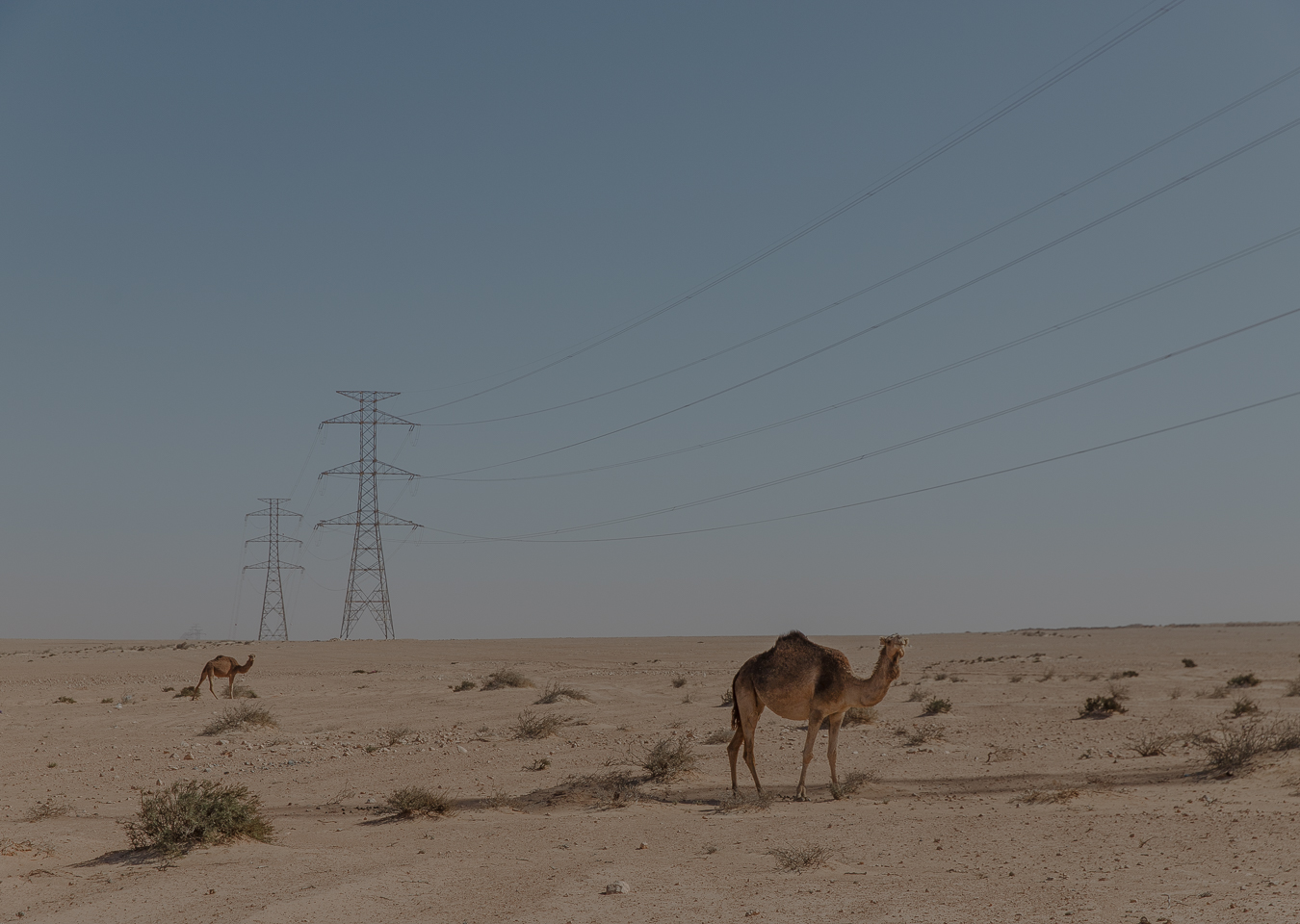
Ein Unternehmen, das eng mit dem königlichen Geschäftsnetzwerk Marokkos verbunden ist, hat sich an einem neuen Projekt in der besetzten Westsahara beteiligt. Dabei geht es um eine Partnerschaft mit einem staatlichen chinesischen Stromkonzern, um Hochspannungsinfrastruktur in Boujdour zu errichten.
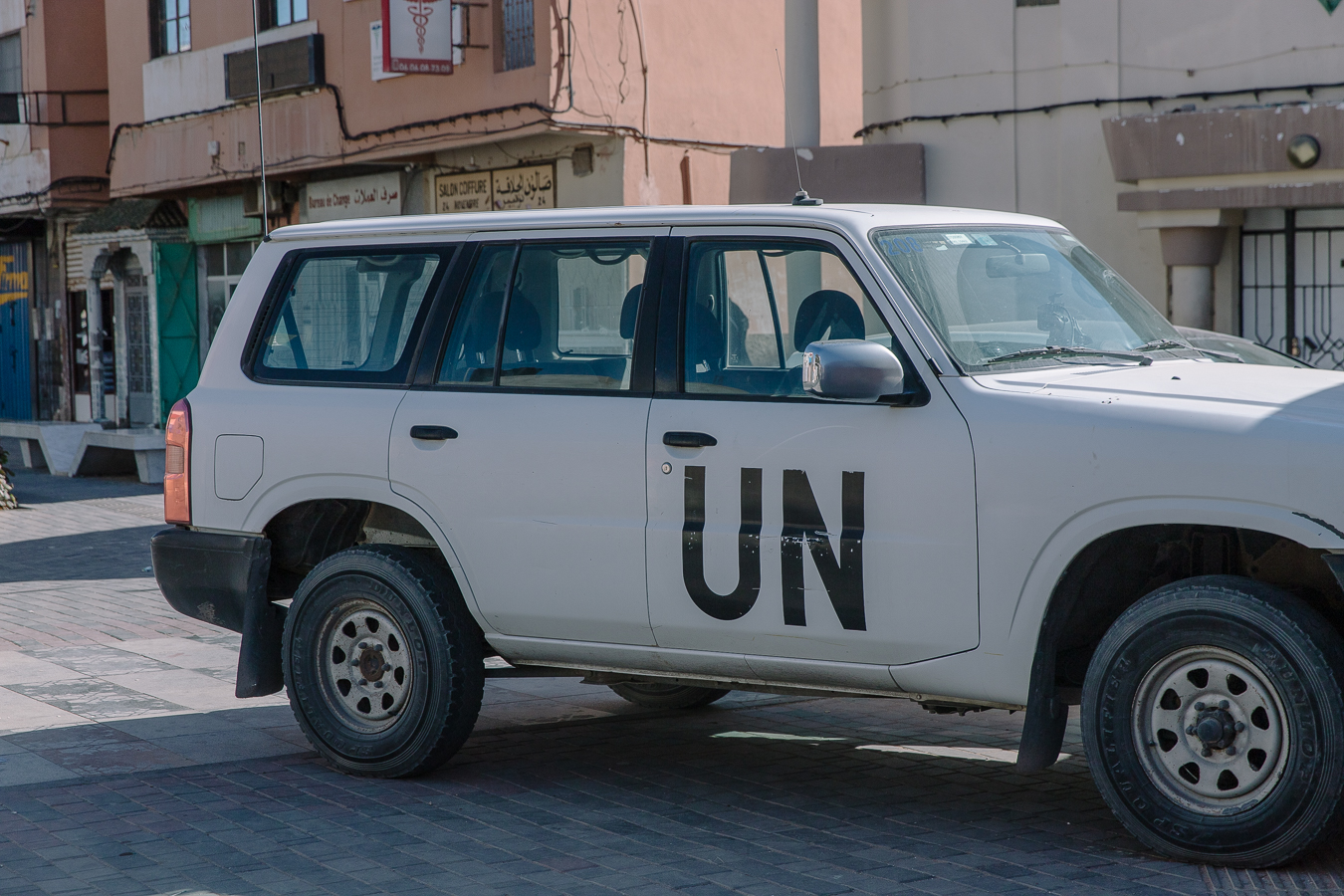
Western Sahara Resource Watch fordert die UNO auf, sich mit der zunehmenden Ausbeutung der natürlichen Ressourcen des Gebiets auseinanderzusetzen – und zu verhindern, dass diese zu einem noch größeren Hindernis für die Ausübung des Selbstbestimmungsrechts wird.
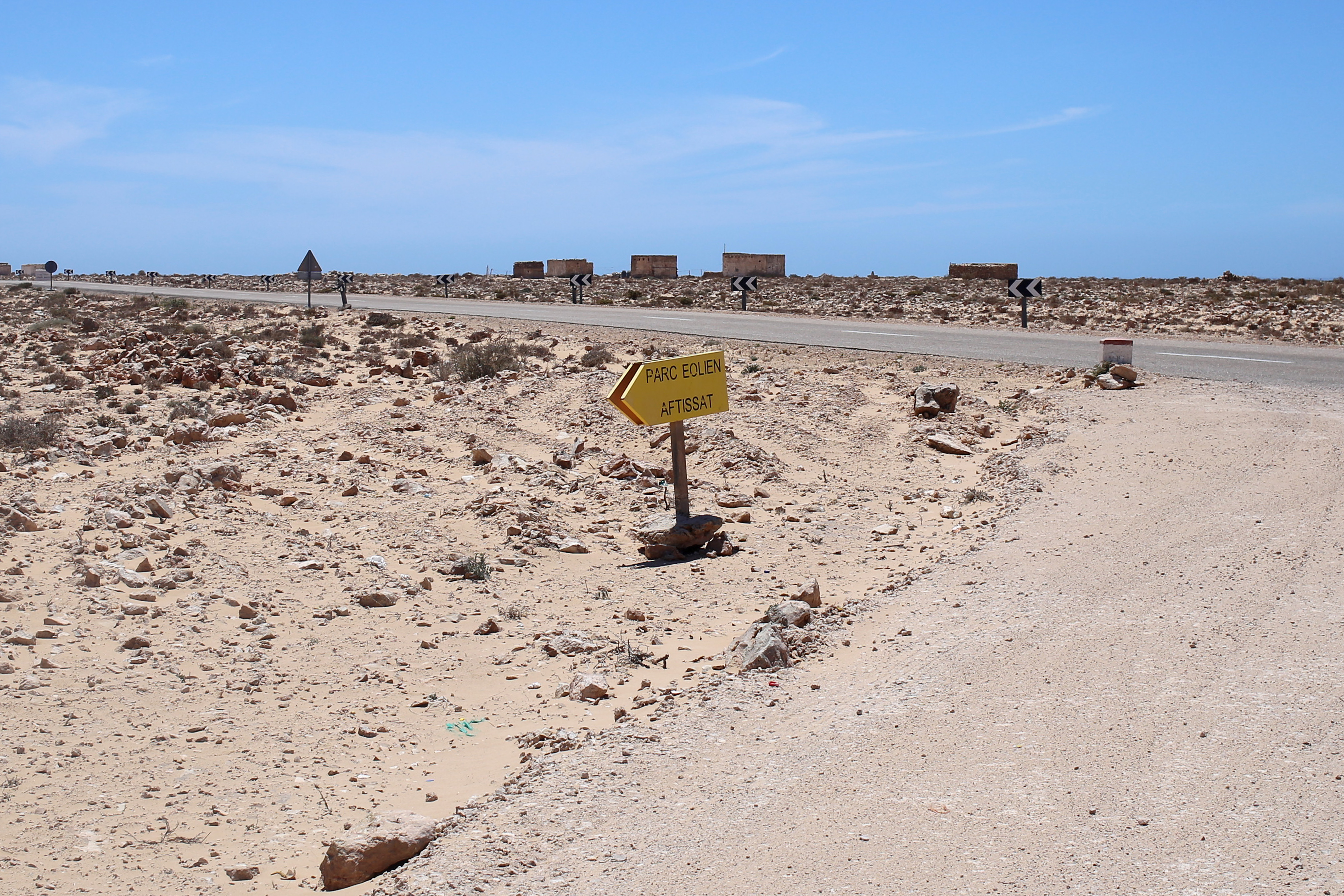
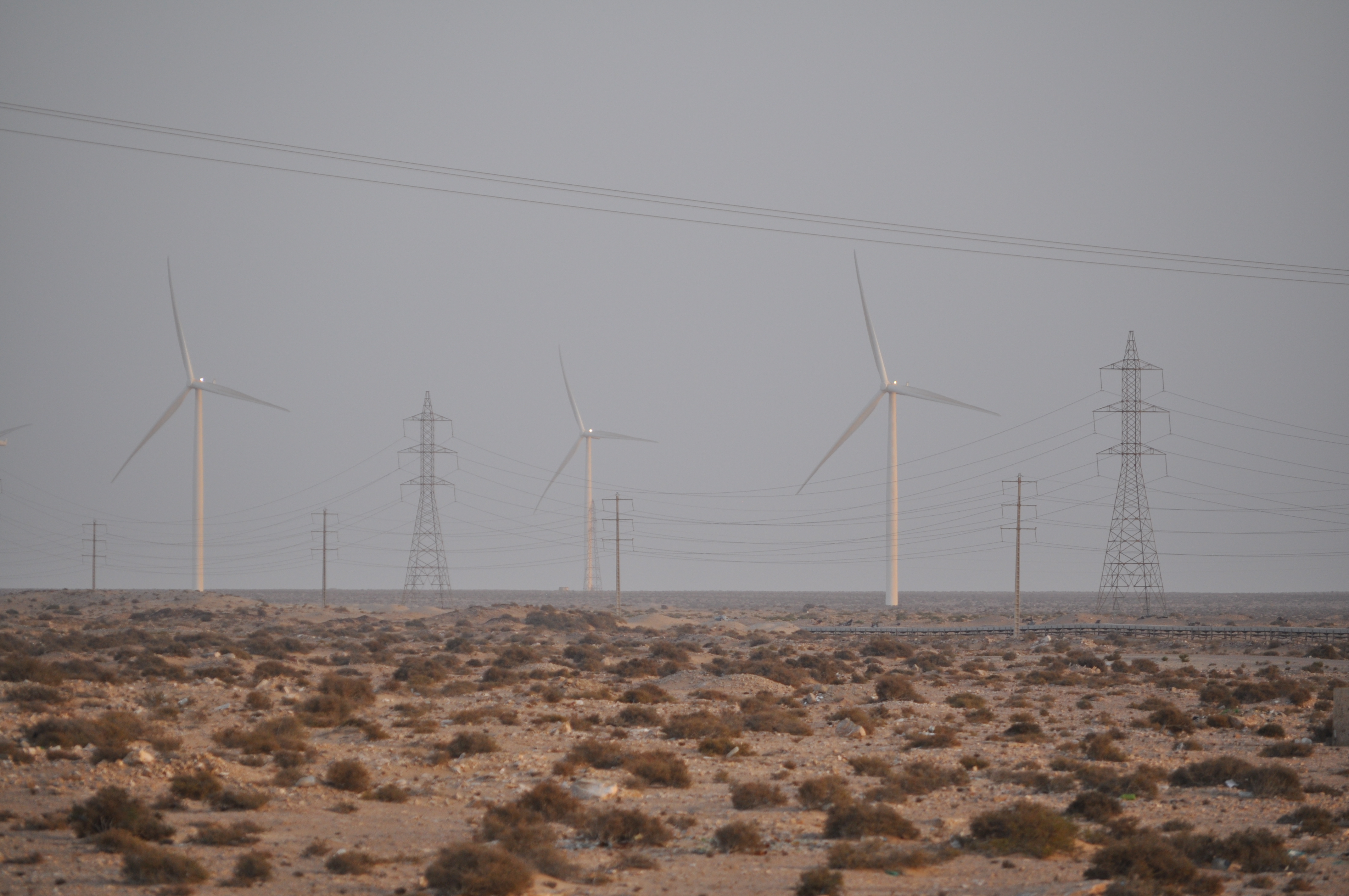
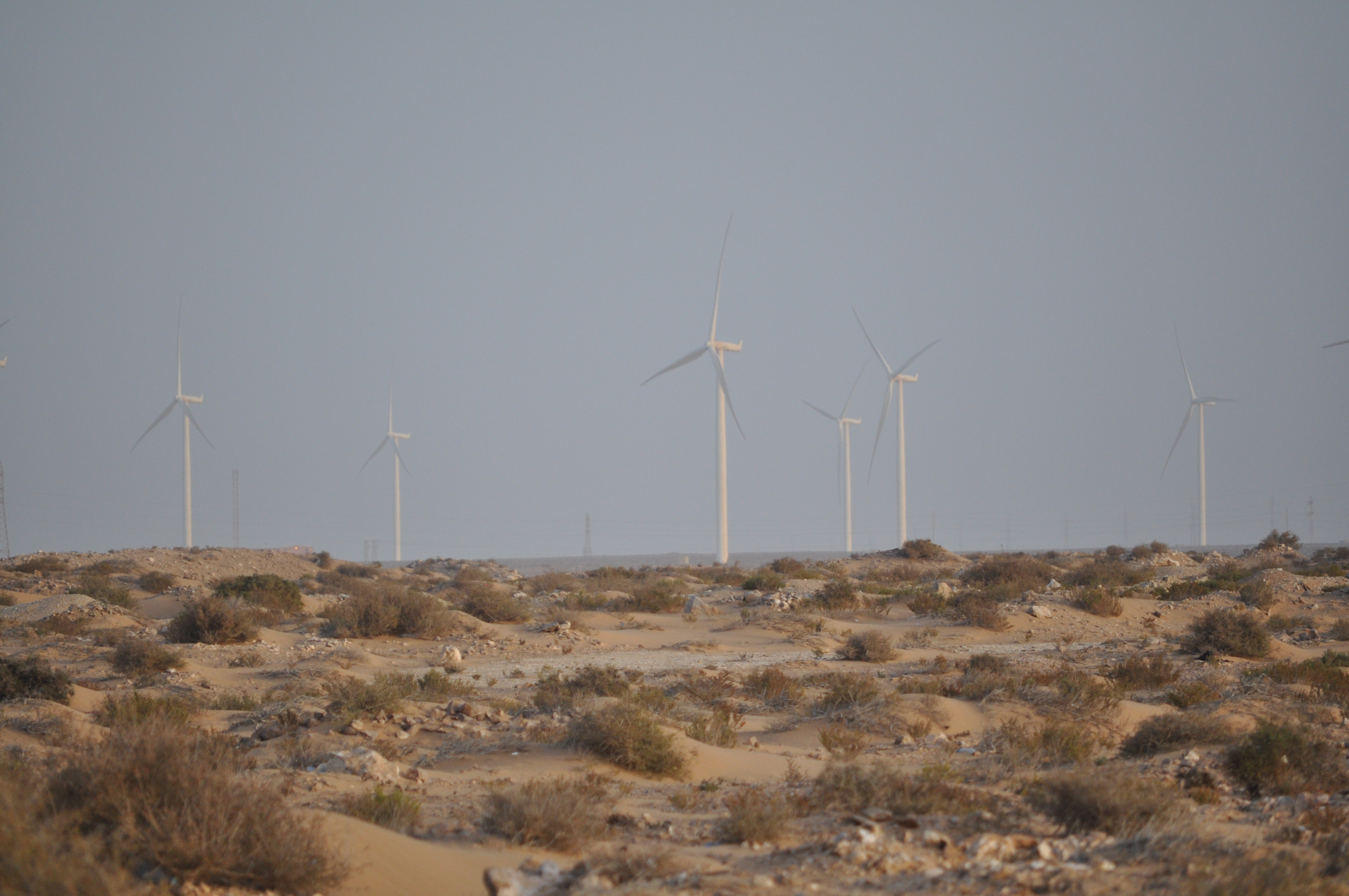
Das Energieunternehmen des marokkanischen Königs scheint zwei neue Ausbaustufen des Windparkkomplexes Aftissat in der besetzten Westsahara fertiggestellt zu haben.
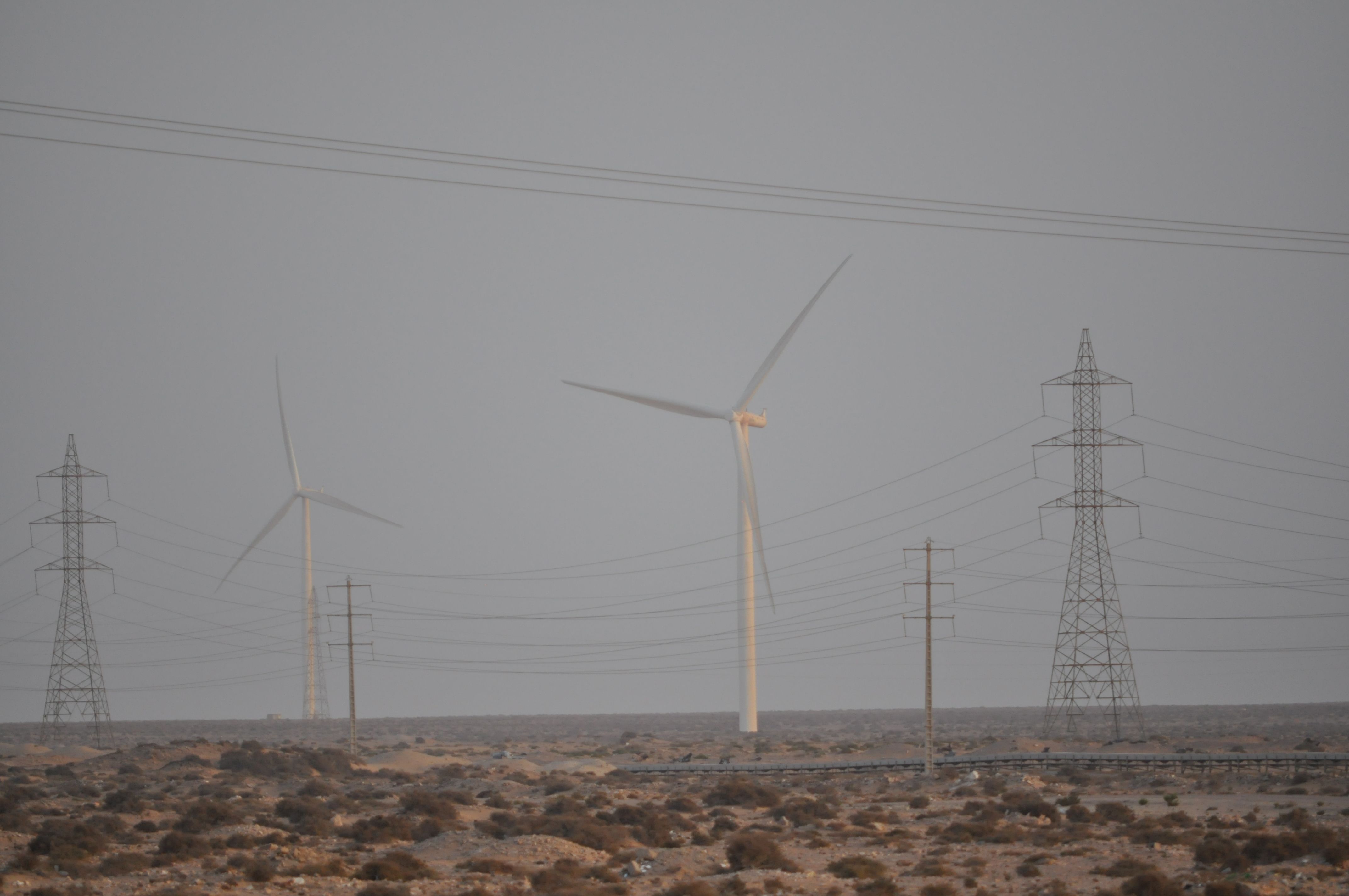
Die Trump-Regierung ist die erste US-Administration, die ein privatwirtschaftliches Projekt in der besetzten Westsahara finanziert. Sie hat dem umstrittenen ORNX-Projekt zur Herstellung von grünem Ammoniak Unterstützung zugesagt.
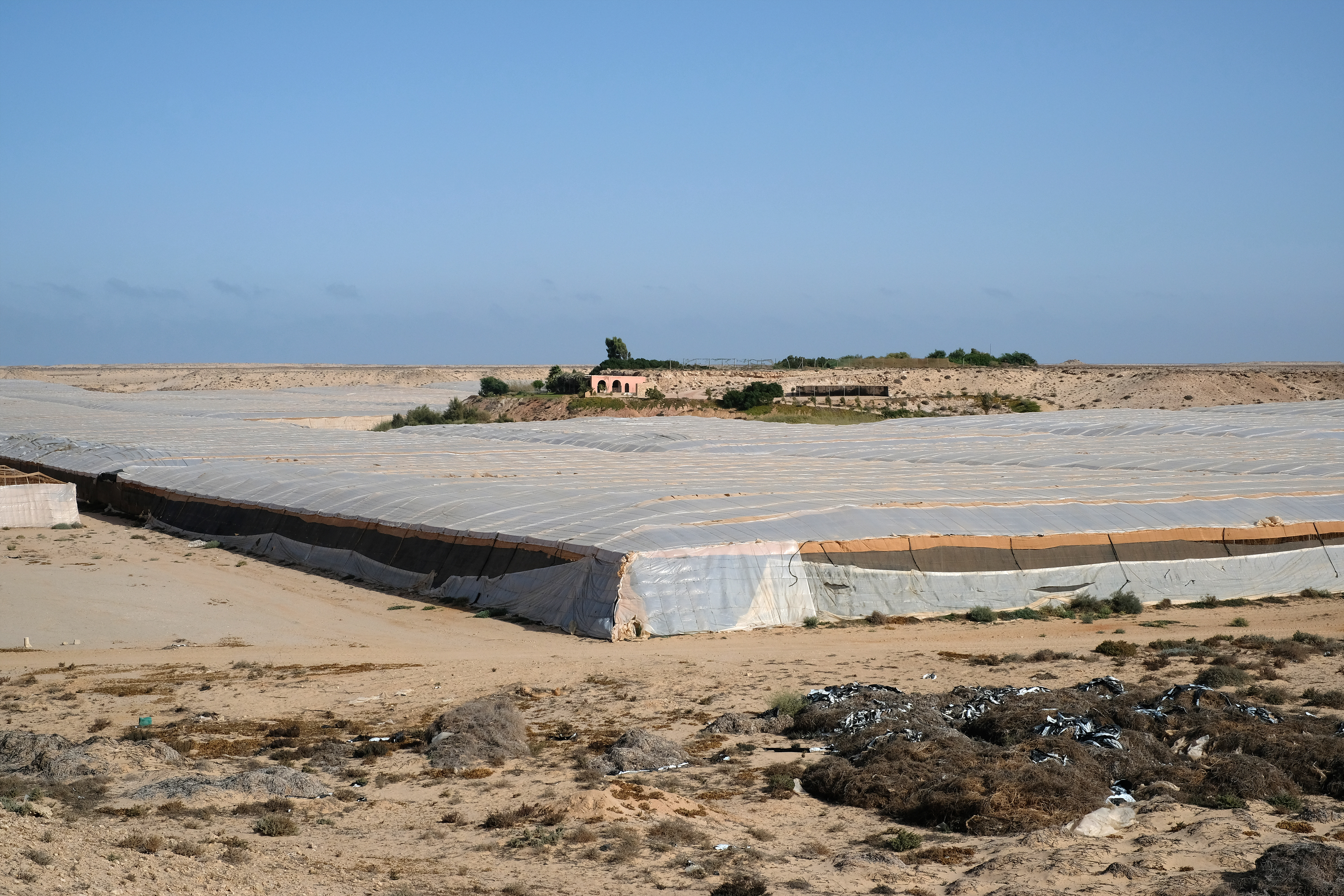
Marokko hat eine weitere Ausschreibung zur Vergabe von mehr als 1.000 Hektar landwirtschaftlicher Fläche in der besetzten Westsahara veröffentlicht, die durch das französische Unternehmen Engie urbar gemacht wurden. Diese Erweiterung der Agrarfläche erfolgt zu einem Zeitpunkt, an dem die EU erwägt, den rechtswidrigen Handel mit dem Gebiet auszuweiten.
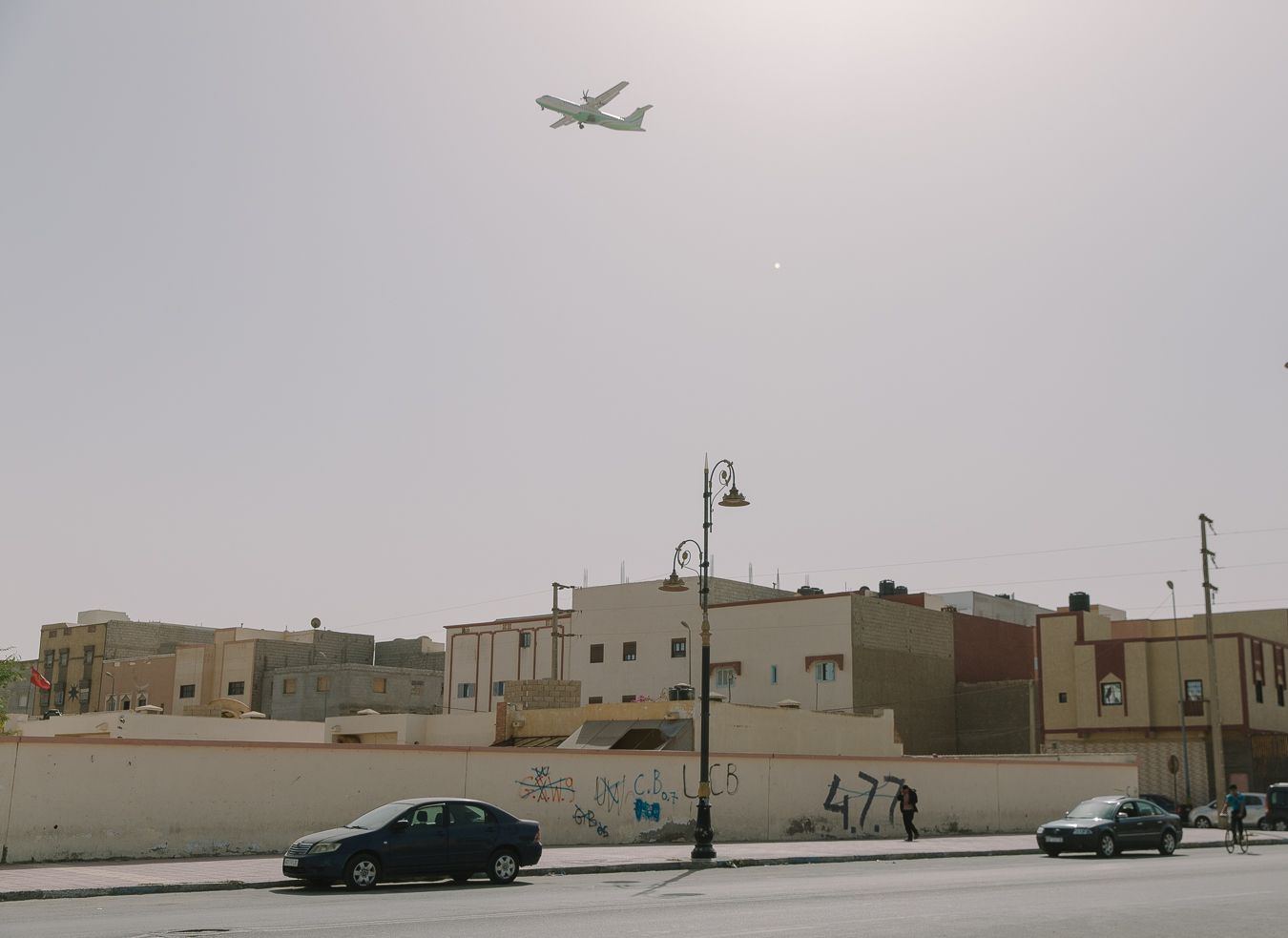
Rechtlich ist die Sache geklärt, in der Praxis jedoch nicht. Das kürzlich angepasste Luftverkehrsabkommen schließt die Westsahara aus – dennoch duldet die Europäische Kommission weiterhin, dass EU-Fluggesellschaften dort operieren.
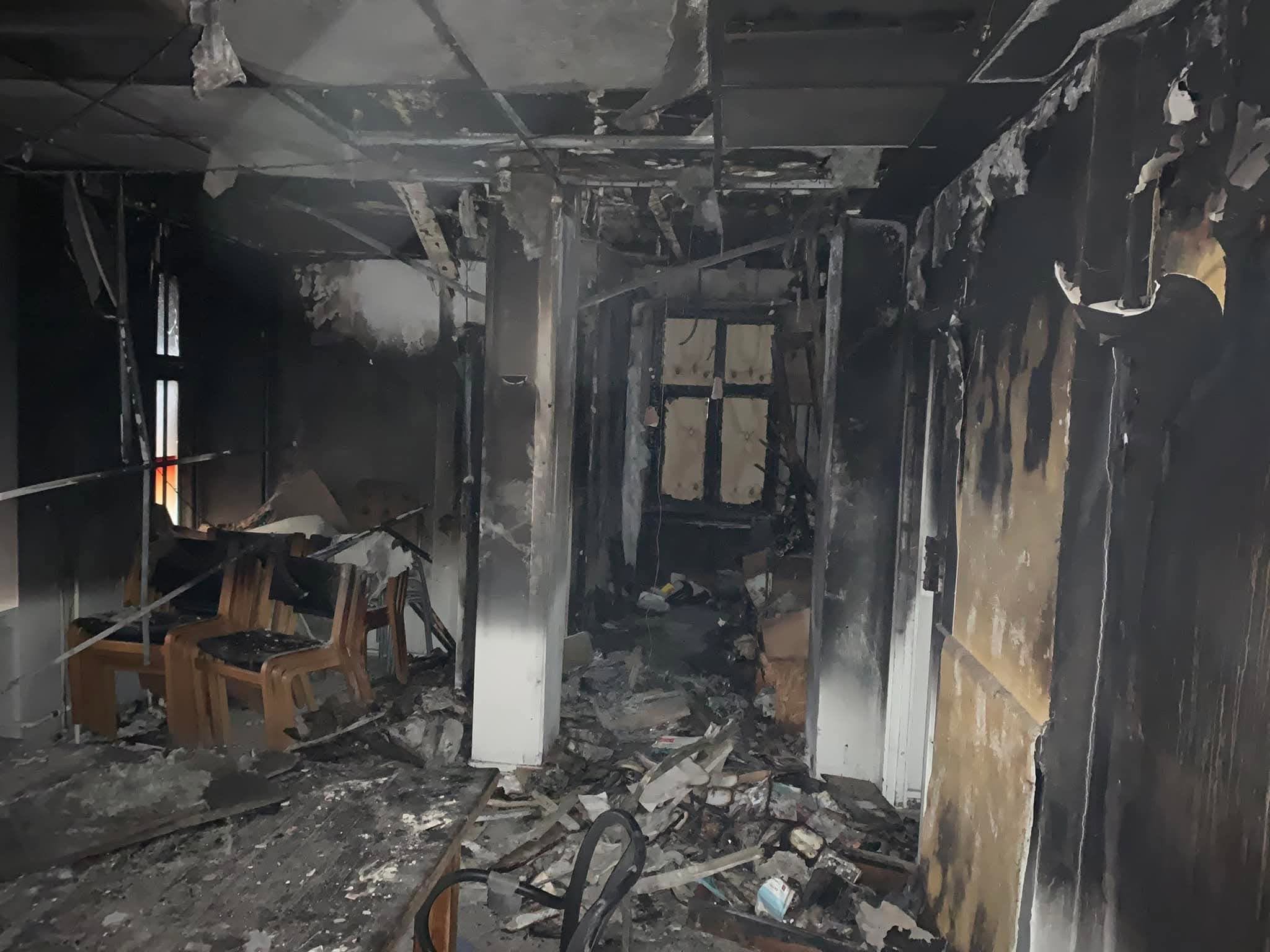
In Kopenhagen hat der Prozess gegen vier Männer begonnen, denen vorgeworfen wird, im Januar 2025 einen Brandanschlag auf die Büros der WSRW-Partnerorganisation „Global Aktion“ verübt zu haben.
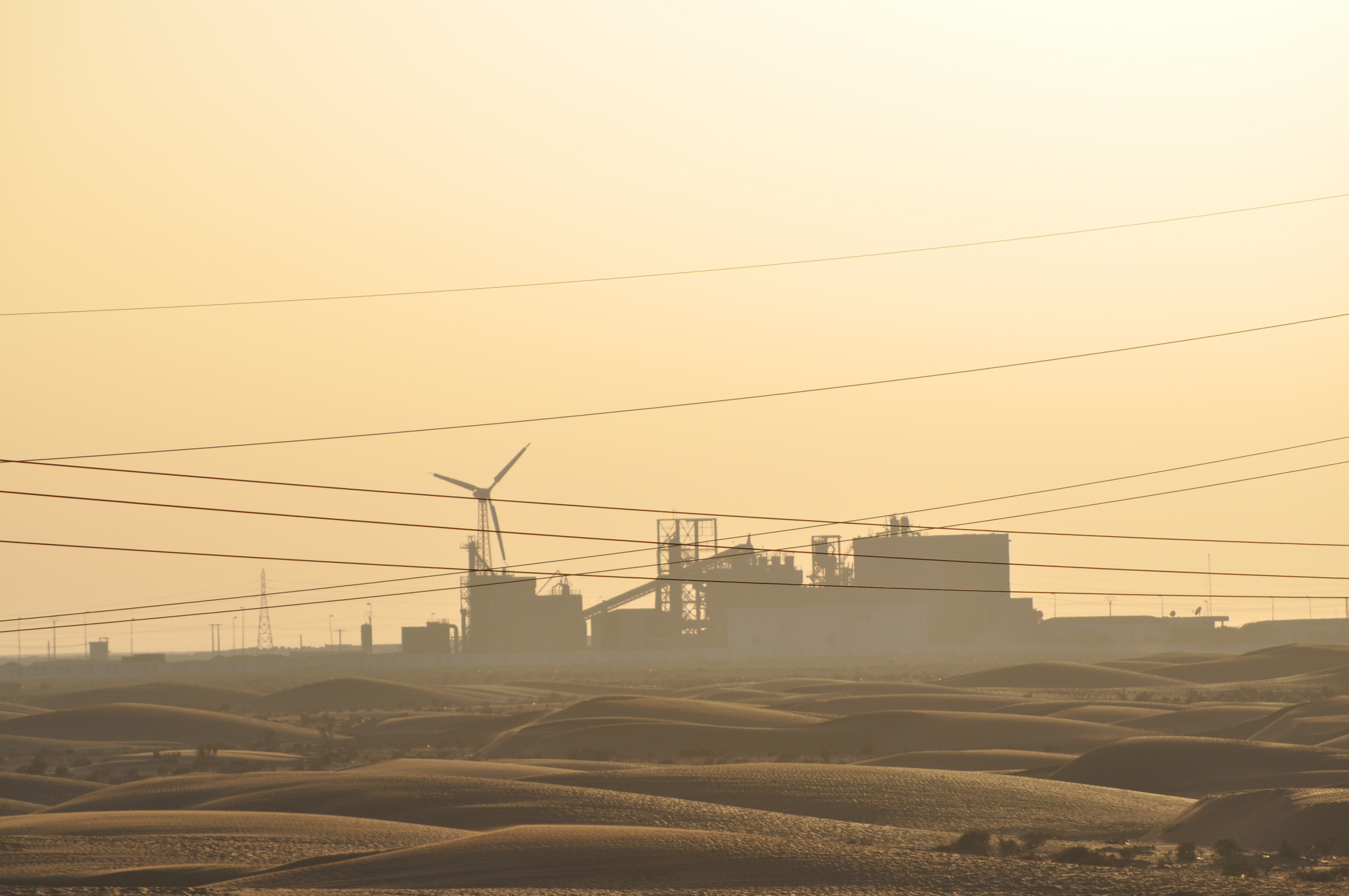
Das deutsche Unternehmen bestätigt erneut, dass seine Aktivitäten in der besetzten Westsahara eng mit Marokkos Infrastrukturausbau in dem Gebiet verbunden sind – und lehnt dabei weiterhin das Recht des sahrauischen Volkes auf Zustimmung ab.

Seit über 40 Jahren exportiert ein marokkanisches Staatsunternehmen Phosphatgestein aus der besetzten Westsahara.
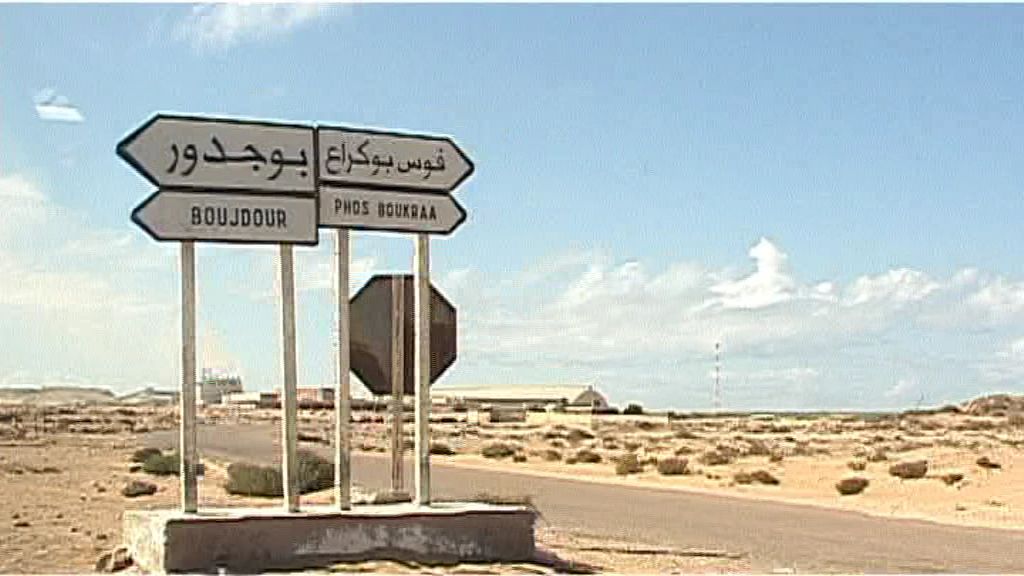
Im Jahr 2025 importierten nur drei Unternehmen Phosphatgestein aus der besetzten Westsahara – so wenige wie noch nie zuvor. Diese Ergebnisse sind in unserem heute veröffentlichten Jahresbericht „P for Plunder“ zu finden.

Die Fischbestände der besetzten Westsahara ziehen nicht nur das Interesse der marokkanischen Flotte auf sich: Auch andere internationale Akteure fischen in den besetzten Gewässern durch Vereinbarungen mit marokkanischen Behörden. Entlang der Küste der Westsahara hat sich ein ganzer verarbeitender Industriezweig entwickelt.

Es ist nicht einfach, den Überblick über die zahlreichen Gerichtsverfahren in Bezug auf die Westsahara zu behalten. Dieser Artikel bietet eine Übersicht über die Fälle, die das Gebiet betreffen und die vor dem Gerichtshof der Europäischen Union (EuGH) verhandelt wurden.
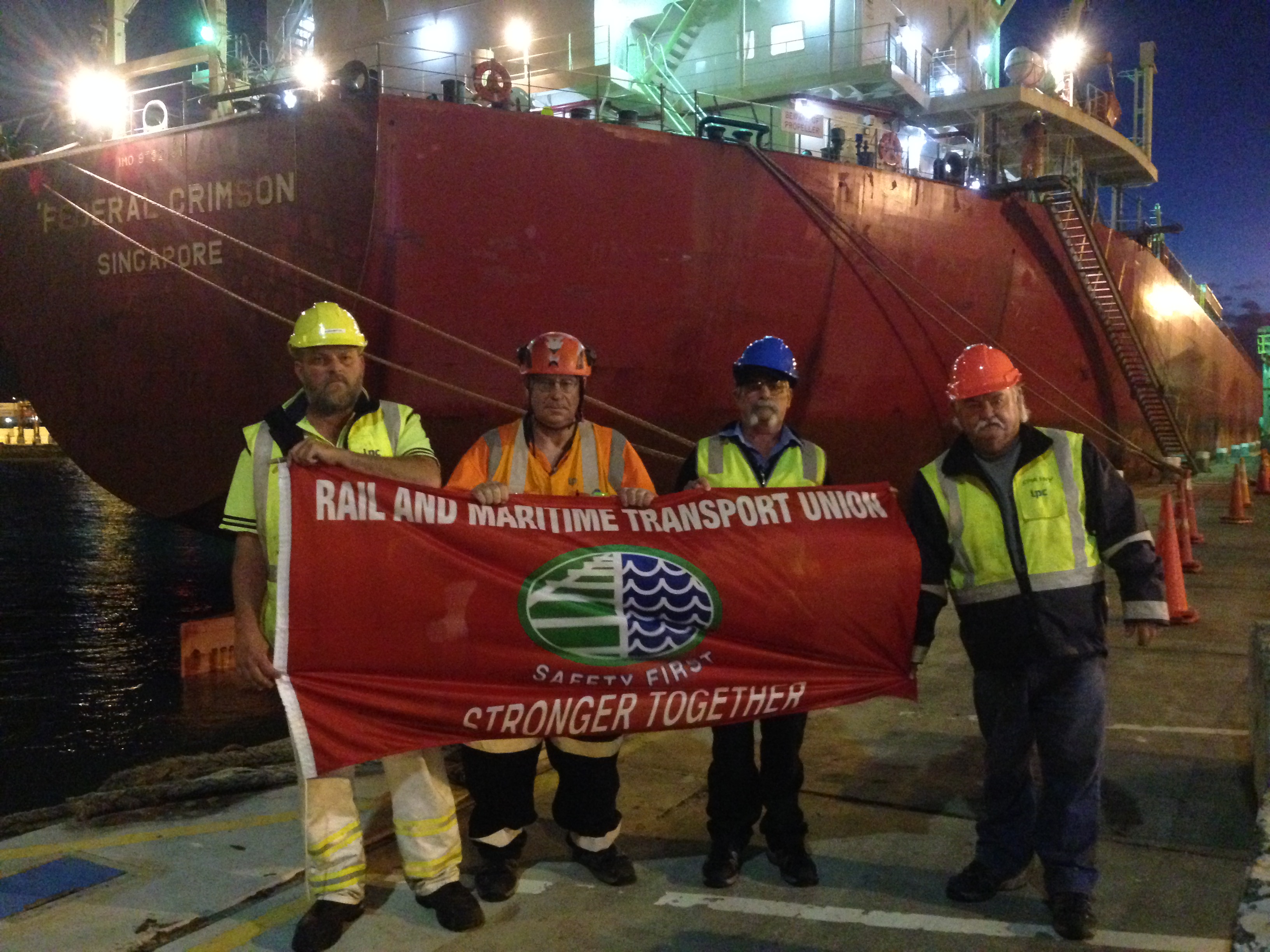
Ein Beratungsunternehmen, das beauftragt wurde, die Phosphatimporte aus der besetzten Westsahara nach Neuseeland zu prüfen, kommt zu dem Schluss, dass es kein Problem gibt.
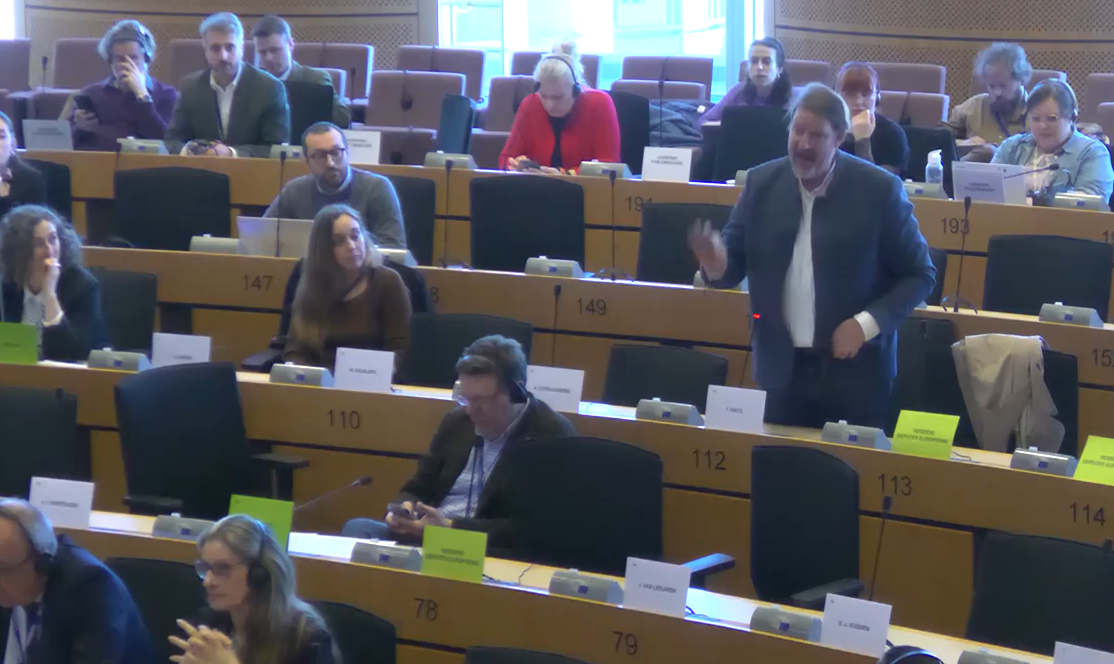
Europaabgeordnete aus dem gesamten politischen Spektrum kritisierten die Europäische Kommission scharf für ihren Umgang mit den Handelsbeziehungen zwischen der EU und Marokko, die auch die besetzte Westsahara betreffen, und äußerten Bedenken hinsichtlich Rechtmäßigkeit, und Transparenz und der offensichtlichen Missachtung der Rolle des Parlaments.
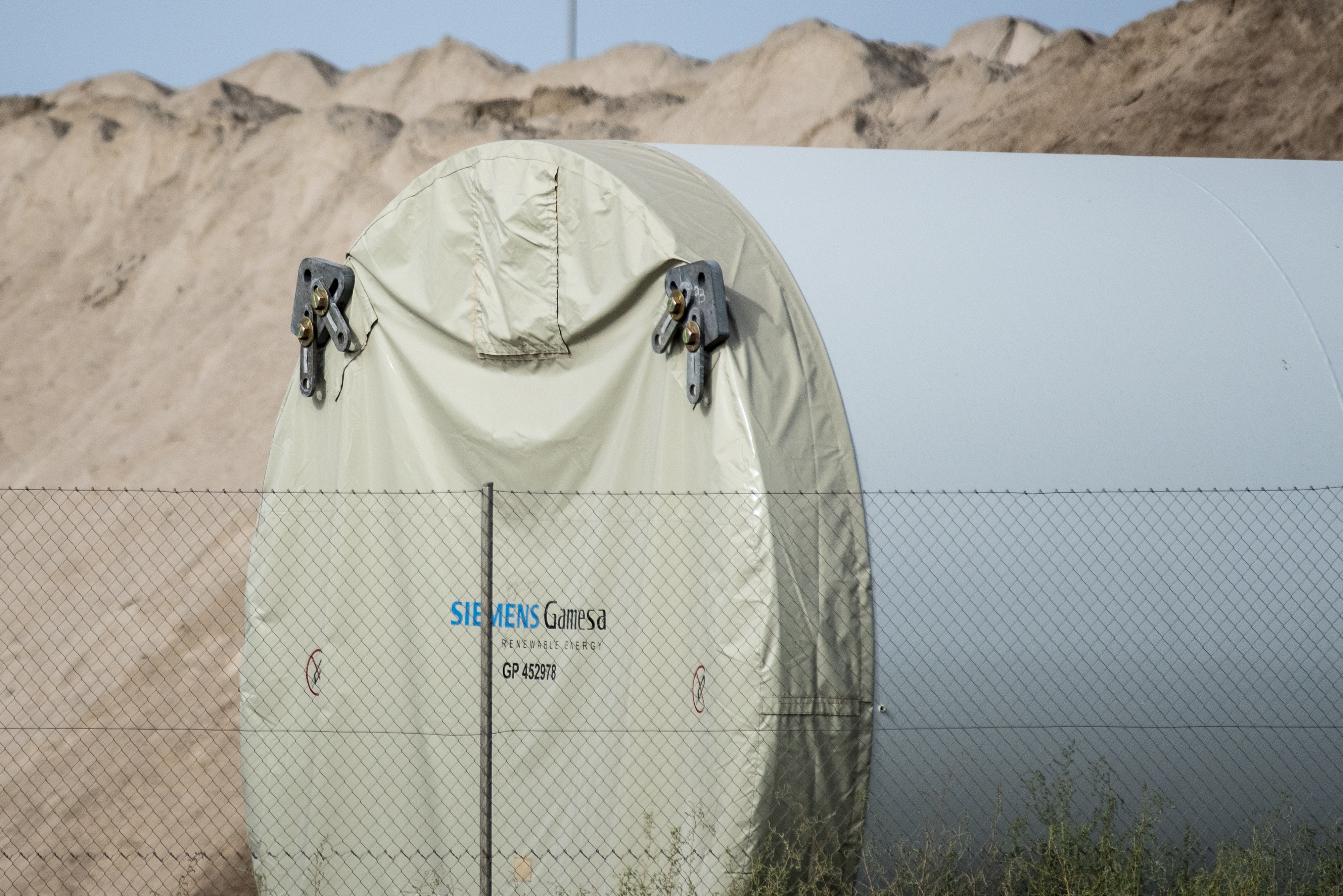
Auf seiner Hauptversammlung 2026 verteidigte Siemens Energy sein Engagement in Windenergieprojekten in der besetzten Westsahara.
Marokkos Ambitionen, sich zu einer globalen Hochburg für grünen Wasserstoff zu entwickeln, nehmen Fahrt auf. Allerdings vergibt Rabat Land in einem Gebiet, das ihm rechtlich nicht gehört.
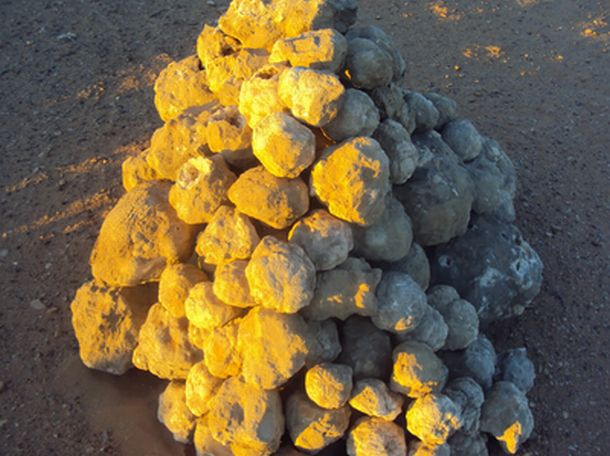
Marokko möchte sich als wichtiger Lieferant strategischer Mineralien für westliche Mächte positionieren und hat daher ein neues Abkommen mit den USA unterzeichnet, das die Gewässer der Westsahara und die dort vorkommenden kritischen Mineralien umfasst.
Marokkos Vorstoß im Bereich grüner Wasserstoff hat einen entscheidenden Schritt nach vorne gemacht – auf einem Gebiet, das ihm rechtlich nicht gehört.