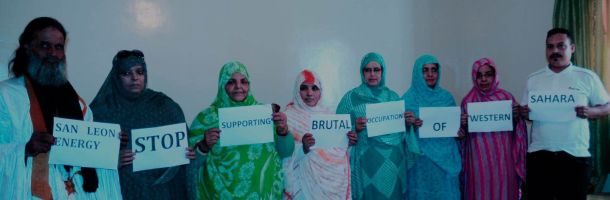
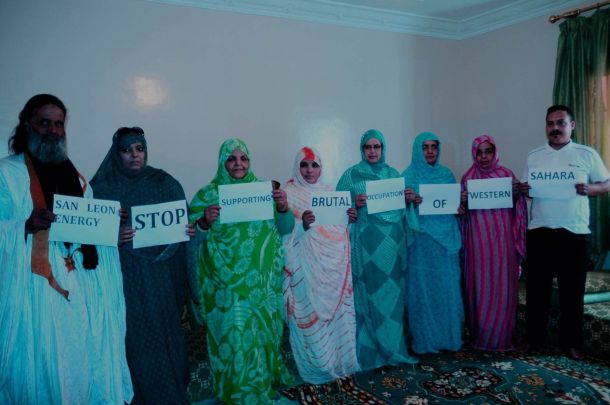
Saharawis in the occupied parts of Western Sahara continue to speak out against Irish/UK company San Leon Energy's plans to drill for oil in their homeland. "Stop supporting brutal occupation of Western Sahara", they say.
San Leon Energy announced a few weeks ago that it plans to drill for oil in "Morocco" this August. In reality, the drill site is located outside of Morocco's borders, around 14 kilometers north of El Aaiun, in the territory of Western Sahara that Morocco has illegally occupied since 1975. The operation is in blatant disrespect of international law, which accords the Saharawi people the right to freely determine the future status of their homeland and its resources. The Saharawis oppose San Leon's plans.
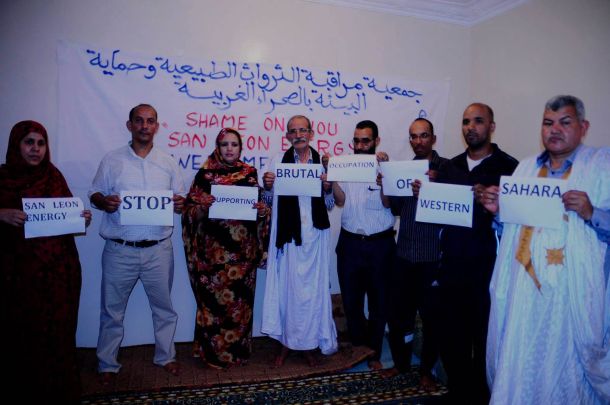
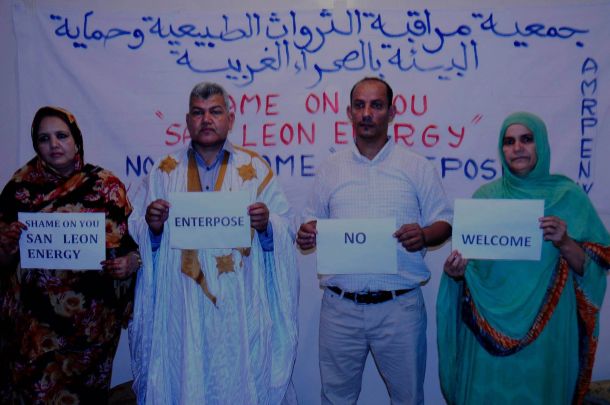
"San Leon Energy, stop supporting brutal occupation of Western Sahara", say the banners of the Association for the Monitoring of the Natural Resources and for the Environment Protection in Western Sahara. "Entrepose, no welcome", the banners read. Entrepose is the French company that has been contracted to carry out the drilling operation on behalf of San Leon.
Saharawi protests against foreign companies working for Morocco in occupied Western Sahara usually take place indoors, out of safety precautions. Without exception, Saharawi demonstrations inside the occupied territory are met with brutalities and violence by the Moroccan police and security personnel.
Earlier, the Saharawis living precisely on the oil block where San Leon will drill, spoke out against the planned boring. The Saharawi president, residing in exile in refugee camps in Algeria, has asked the United Nations to intervene and stop San Leon in its tracks. The Saharawis living in the Algerian refugee camps have also demonstrated against San Leon.
But it seems San Leon's leadership couldn't care less.
Another company of the Moroccan king involved in occupied Western Sahara
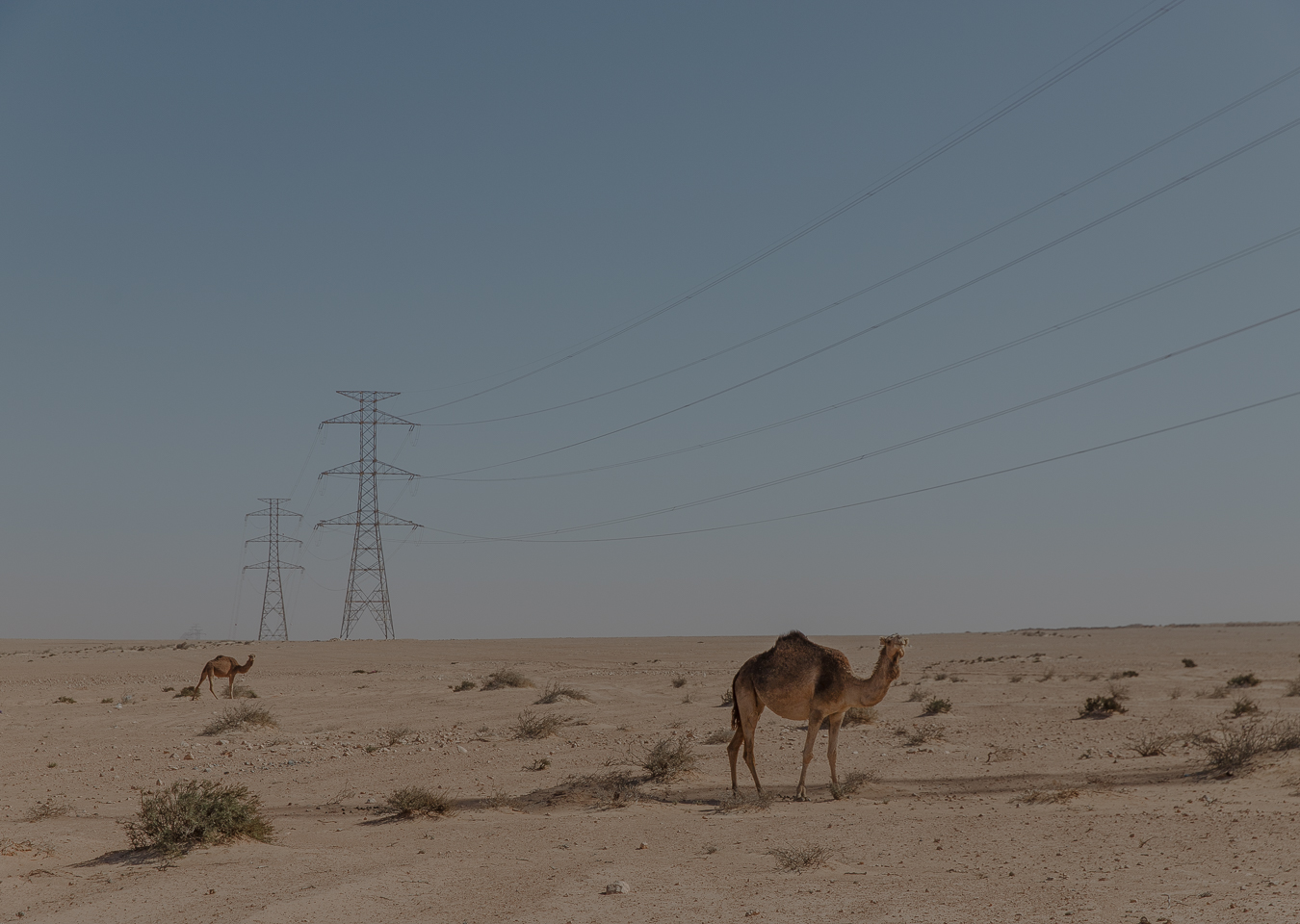
A company closely linked to Morocco’s royal business network has entered a new project in occupied Western Sahara, partnering with a Chinese state-owned electricity giant on high-voltage infrastructure in Boujdour.
Don't let resource exploitation decide Western Sahara's future
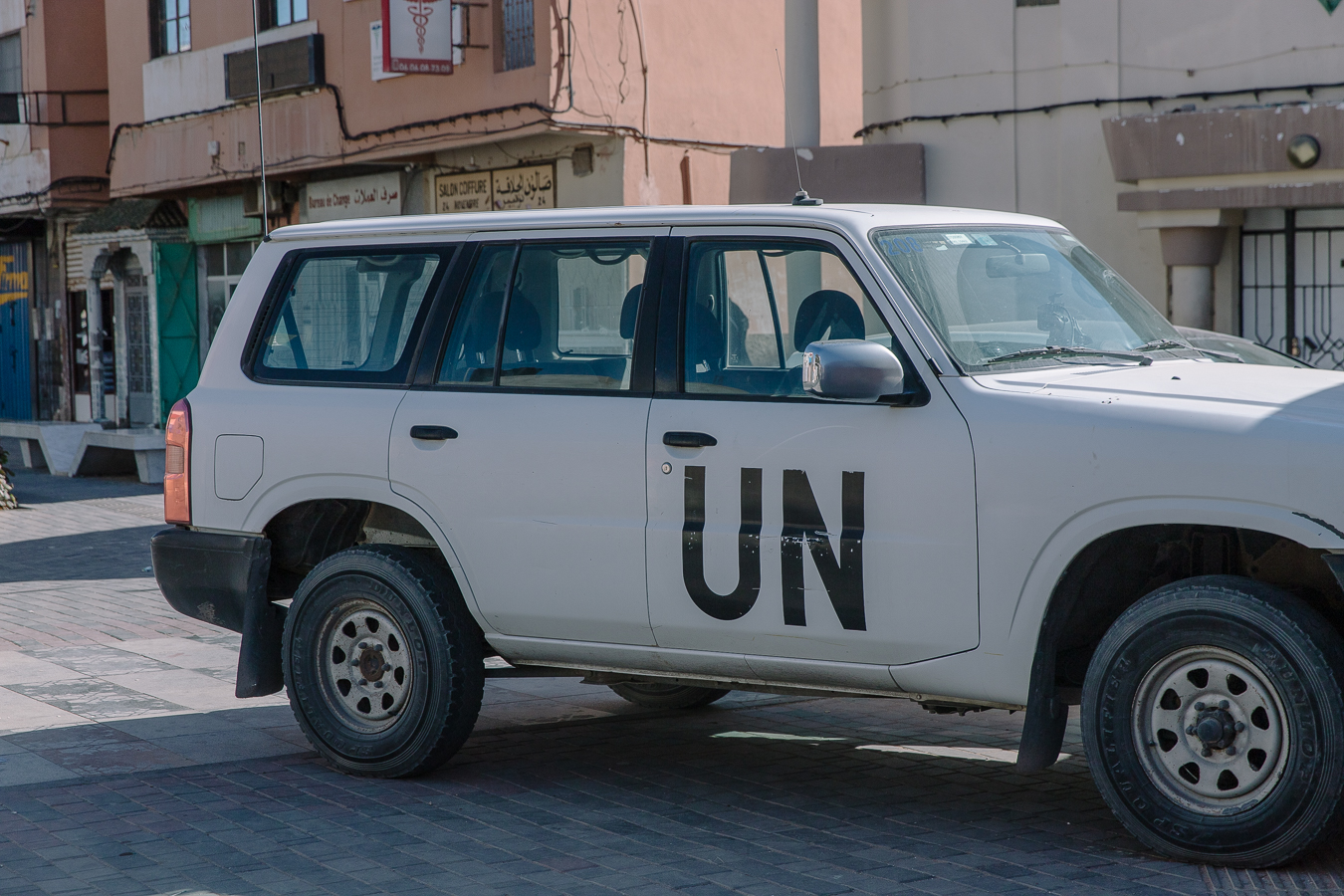
Western Sahara Resource Watch calls on the UN to address the accelerating exploitation of the territory’s natural resources - and prevent it from becoming an even greater obstacle to self-determination.
Occupied Western Sahara wind complex expands into Africa's top three
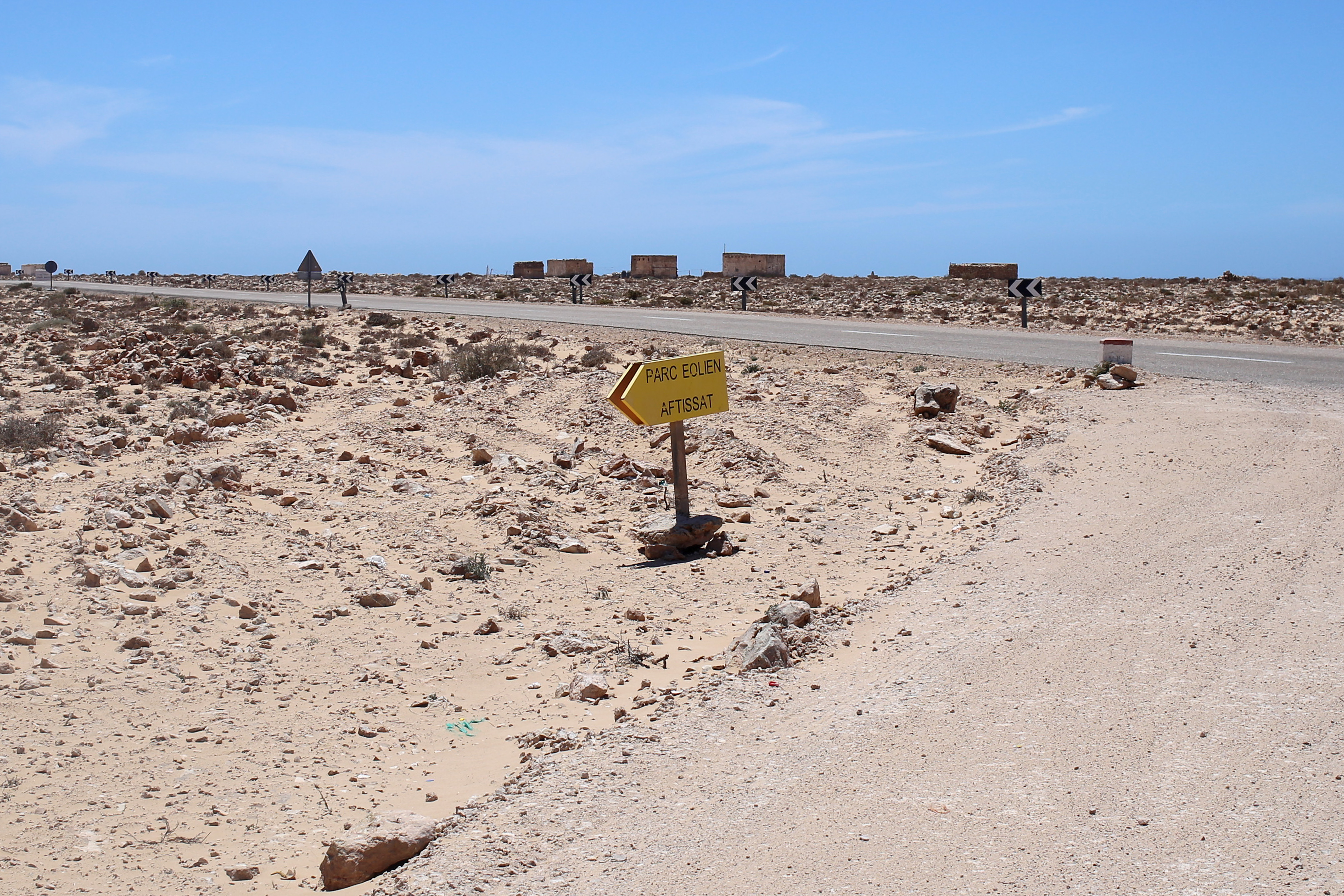
The Moroccan king’s energy company appears to have completed two new phases of the Aftissat wind power complex in occupied Western Sahara.

Dirty green energy on occupied land
How can it be wrong to develop renewable energy, in a world that is in desperate need for a green transition? In Western Sahara, the problems are numerous.