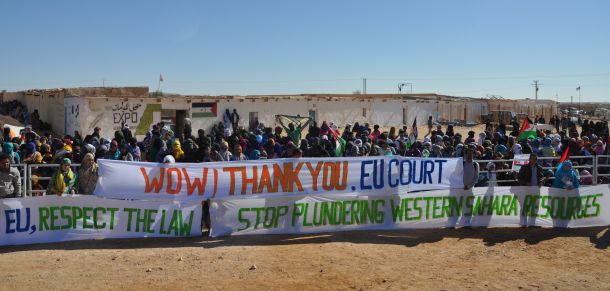
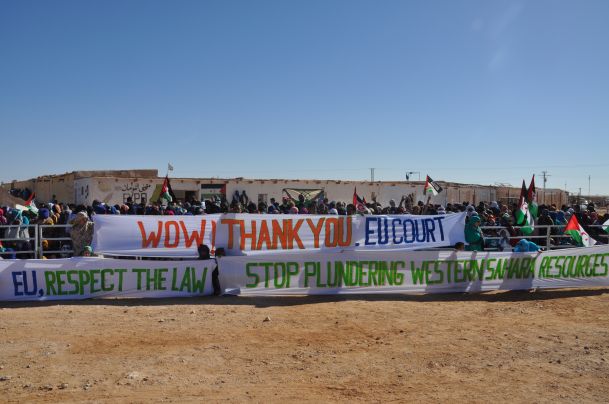
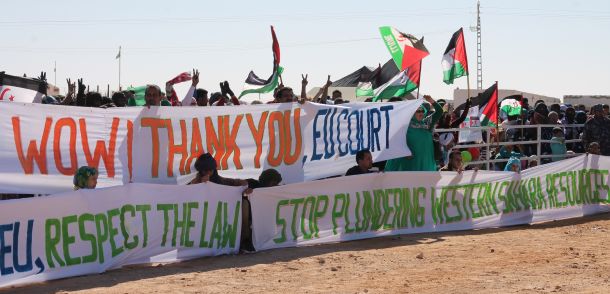
At 11:45 today, Saharawi refugees are celebrating that the Court of Justice has ruled that EU cannot continue fishing offshore Western Sahara in partnership with the country that occupied their homeland.
Today, the Court of Justice ruled that the EU cannot fish in the waters offshore the territory that Morocco holds under occupation.
"The news is already spreading like wild fire among Saharawis in the occupied territories and in the diaspora. We are so glad to hear that the EU support to the occupation through such fisheries agreements has stopped", Jalihenna Mohamed told, of the Saharawi Campaign Against the Plunder (SCAP).
"This represents a crucial victory for our people and leaves no chance for EU governments and companies to manipulate in order to exploit or invest in our territory. We call on the EU to support the UN peace process and stop paying Morocco to occupy our land through fish deals. No commercial activity in occupied Western Sahara shall be conducted before Saharawi people enjoy their legitimate right to self-determination and decolonize their land through democratic and free referendum", he told.
Half the Saharawi people has been living as refugees in Algeria since 1975, when Morocco occupied the territory. As Spain permitted Morocco to annex the territory, the collapsing Franco regime signed a deal with Morocco so that Spanish fishing fleet could continue operating in the waters. In 1986, Spain became member of the EU, and since 1988, the EU has been paying Morocco so that mainly Spanish fleet could continue its practice. The Saharawis have always objected, saying that the EU is not allowed to violate international law.
Videos and photos in this article can be used for free, please credit "SCAP".
Gdeim Izik prisoners resume hunger strike
Saharawi political prisoners have resumed a hunger strike in Moroccan prisons, demanding their release, improved detention conditions and the implementation of UN decisions.
SRI update
The following overview enlists stock-exchange registered companies with current or recent operations in occupied Western Sahara. Updated 28 September 2026.
Another company of the Moroccan king involved in occupied Western Sahara
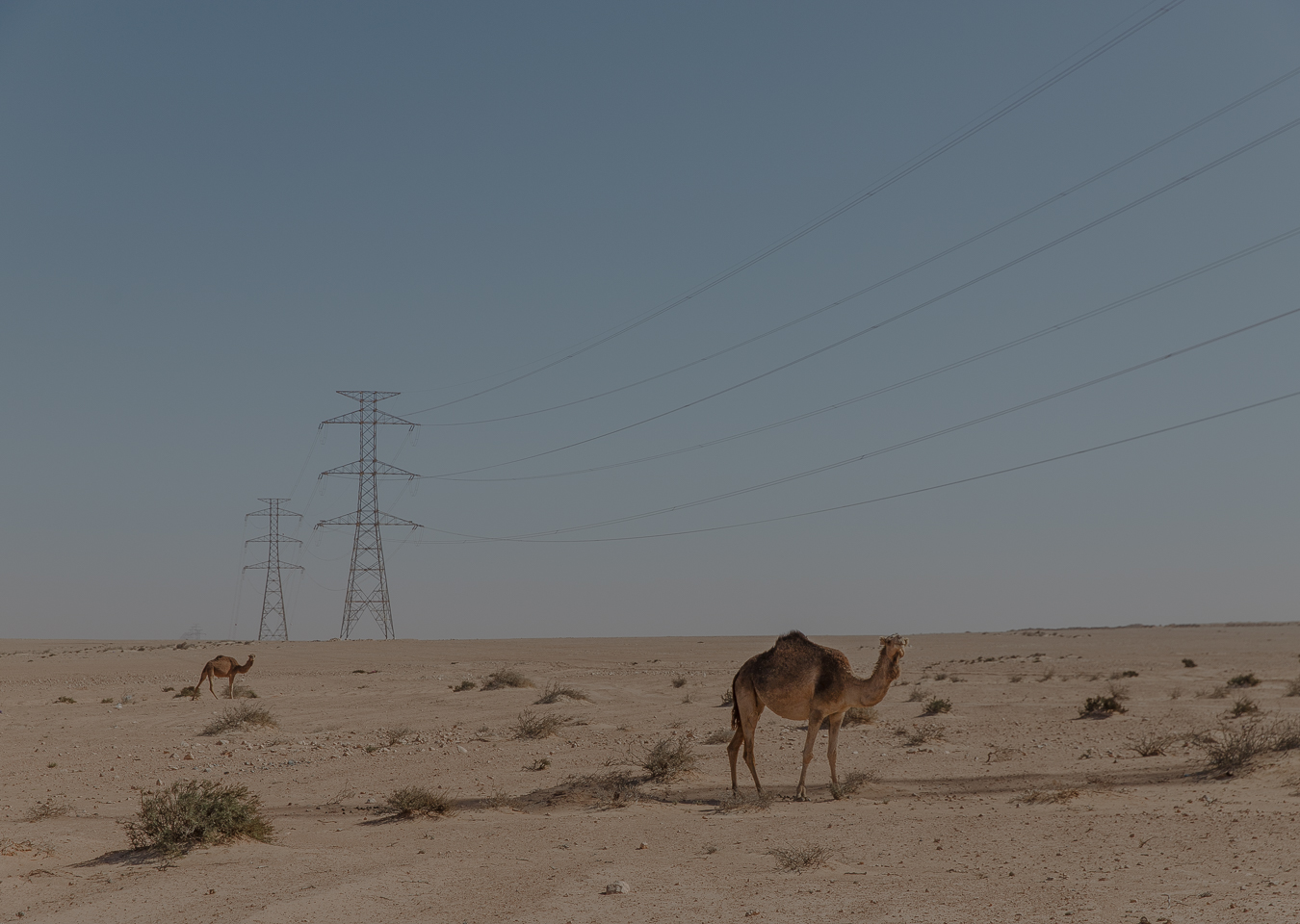
A company closely linked to Morocco’s royal business network has entered a new project in occupied Western Sahara, partnering with a Chinese state-owned electricity giant on high-voltage infrastructure in Boujdour.

Don't let resource exploitation decide Western Sahara's future
Western Sahara Resource Watch calls on the UN to address the accelerating exploitation of the territory’s natural resources - and prevent it from becoming an even greater obstacle to self-determination.