Norwegian investor excluded Total due to Western Sahara involvement
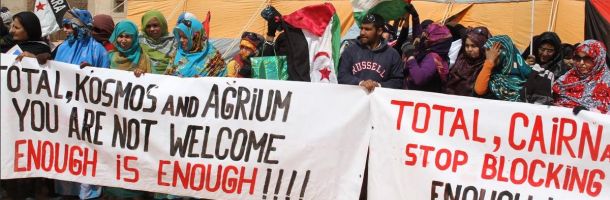
The Norwegian insurance company Storebrand has blacklisted both phosphate and oil companies involved in occupied Western Sahara. Among them are the French company Total, which are now back in from the cold after they withdrew from the territory.
Published 25 March 2016
Storebrand, among the larger life insurance and pension savings companies in Norway, has divested from three phosphate companies importing phosphates from Western Sahara. It had also, until recently, divested from Total, due to its exploration of hydrocarbons in the territory.
For the first time, Storebrand has published a list of companies which they have excluded from its investment universe of ethical considerations. The exclusion list was published a few months ago, but was until recently not known for WSRW. Storebrand has for a number of years had a highly active inhouse department of ethics which has assessed the social responsibility of its investments.
On the published list, there are four companies that were excluded due to involvement in Western Sahara: the French oil company Total, as well as the three phosphate importers Agrium, PotashCorp, and Incitec Pivot.
A representative of Storebrad confirmed to Western Sahara Resource Watch that all four exclusions were due to Western Sahara involvement. It was also stated that the exclusion of Total was reversed after the French multinational decided to withdraw its involvement in Western Sahara in December 2015.
The list also shows the exclusion of the Swiss company Glencore. This is not due to its licences in Western Sahara, but other involvements internationally. «However, its involvement in Western Sahara has been taken note of and will be dealt with if the company tidies up the other issues», the representative stated.
After Total withdrew from further work in the territory, the remaining oil companies on stock exchange active in Western Sahara are Kosmos Energy, Cairn Energy, Glencore PLC and San Leon Energy. An increasing number of investors are questioning the involvement of exploration of oil in Western Sahara, which the UN Legal Counsel found to be in violation of international law.
Until the publication of the Storebrand exclusion list, it has not been known which companies Storebrand had refrained from investing in. The published list is of 3rd quarter 2015, while future updated lists are expected to be published regularly here.
Already in 2002, shortly after Morocco issued its first oil licences in Western Sahara, did Storebrand actively engage in the matter of Western Sahara. Storebrand was at the time one of the major shareholders of the Norwegian seismic survey company TGS-Nopec which mapped the seafloor of Western Sahara for Total and Kerr-McGee. Storebrand threatened to withdraw from the company unless it pulled out of Western Sahara. At a Storebrand seminar on Corporate Social Responsibility in 2003, even the then deputy minister of Foreign Affairs, Vidar Helgesen, who is now he Norwegian minister for EU affairs, underlined the problematic aspects of TGS-Nopecs oil exploration in Western Sahara. The pressure from Storebrand at TGS-Nopec was sucessful, and TGS-Nopec pulled out. Ever since, Storebrand has been following the issue, and now its conclusions are out in the public domain.
News
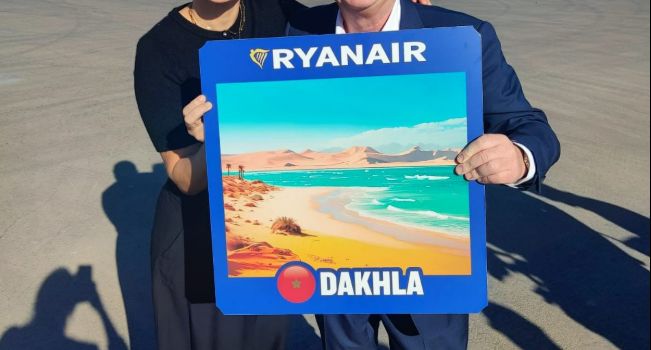
Irish ad watchdog: Ryanair misleading about flights to Western Sahara
In a preliminary decision, the Irish advertising watchdog says the airline’s ads are likely to mislead, as Dakhla is “not a part of Morocco”.
16 October 2026
Gdeim Izik prisoners resume hunger strike
Saharawi political prisoners have resumed a hunger strike in Moroccan prisons, demanding their release, improved detention conditions and the implementation of UN decisions.
06 October 2026
SRI update
The following overview enlists stock-exchange registered companies with current or recent operations in occupied Western Sahara. Updated 28 September 2026.
28 September 2026
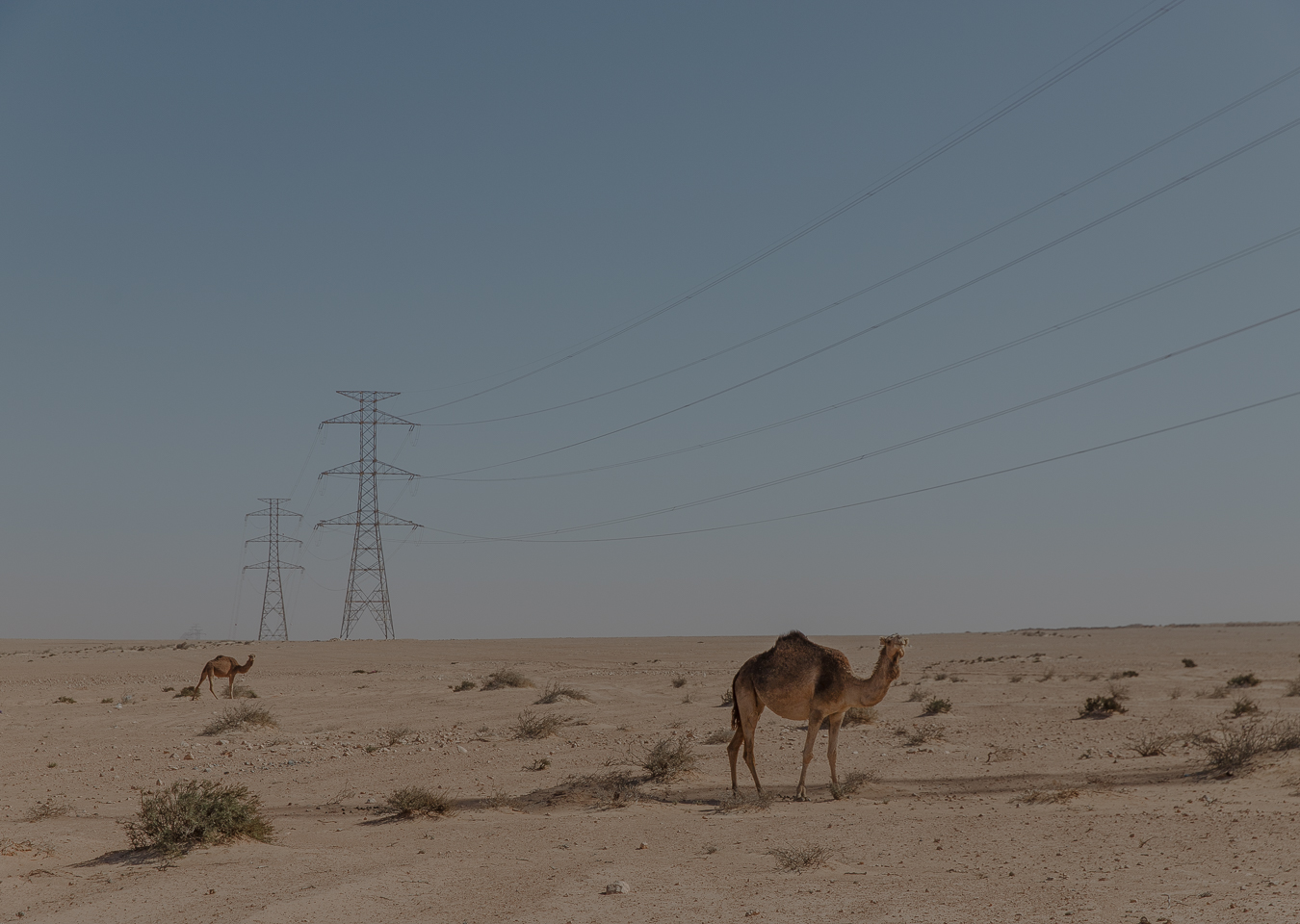
Another company of the Moroccan king involved in occupied Western Sahara
A company closely linked to Morocco’s royal business network has entered a new project in occupied Western Sahara, partnering with a Chinese state-owned electricity giant on high-voltage infrastructure in Boujdour.
10 September 2026