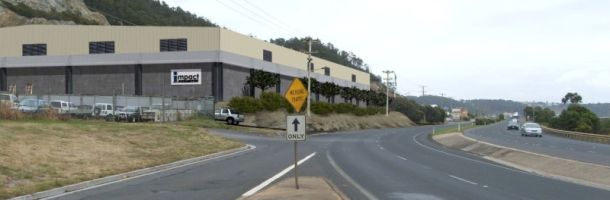
This afternoon, a bulk vessel is set to arrive port of Risdon, Hobart, Tasmania, with phosphate rock plundered from occupied Western Sahara. 8 Swiss parliamentarians protest the continued imports.
Press release – for immediate release
10 September 2010 (Australian time)
This afternoon, a bulk vessel is set to arrive port of Risdon, Hobart, Tasmania, with phosphate rock plundered from occupied Western Sahara.
The trade to Tasmania takes place in violation of international law, and contributes to prolong one of the longest running conflicts in Africa. The cargo will be on board the vessel ‘Christine O’.
The vessel contains phosphate rock that Morocco is exporting from Western Sahara – a territory which was occupied by Moroccan forces in 1975. UN has stated that the exploitation of such resources cannot take place unless the people of the territory has been consulted, something which they have not been. Western Sahara is treated as a colony by the UN.
The importer, Impact Fertilisers, has admitted to carry out such imports. Since earlier this year, Impact is majority owned by the Swiss firm Ameropa. Last week, 8 Swiss parliamentarians urged Ameropa to instruct its Tasmanian subsidiary to halt the imports.
"By taking part in the trade of phosphates from occupied Western Sahara, your subsidiary, Impact Fertilisers is profiting from the illegal occupation of the territory and abuses the law. This contributes to undermine the efforts of the United Nations for a peaceful solution to the conflict”, wrote the parliamentarians.
The group referred to among other the world’s biggest fertiliser firm Yara, announcing that it would not import from Western Sahara as long as the conflict is ongoing.
“We ask you as a business conscious of its responsibilities, to take the regional geopolitical context into consideration and to ask your subsidiary, Impact Fertilisers based in Tasmania to abandon the importations of phosphates from Western Sahara so long as the people concerned are not able to exercise their legitimate rights over their own natural resources”, stated the 8 parliamentarians.
Read the whole letter from the Swiss parliamentarians here:
http://wsrw.org/files/dated/2010-09-09/ameropa_letter_english_02.09.2010.pdf
Monday this week, Saharawis in the occupied territories again protested the Moroccan plunder of the phosphate resources from their land.
Christine O carries Antigua & Bermuda flag, and is managed by Opielok Reederei, Germany.
For questions or comments, or pictures of the Saharawi demonstrations in Western Sahara:
Cate Lewis, Australia
Australian Western Sahara Association.
cate@wsrw.org
Emmanuel Martinoli, Switzerland
Association de soutien à un référendum libre et régulier au Sahara Occidental
arso@arso.org
Axel Goldau, Germany
axel@wsrw.org
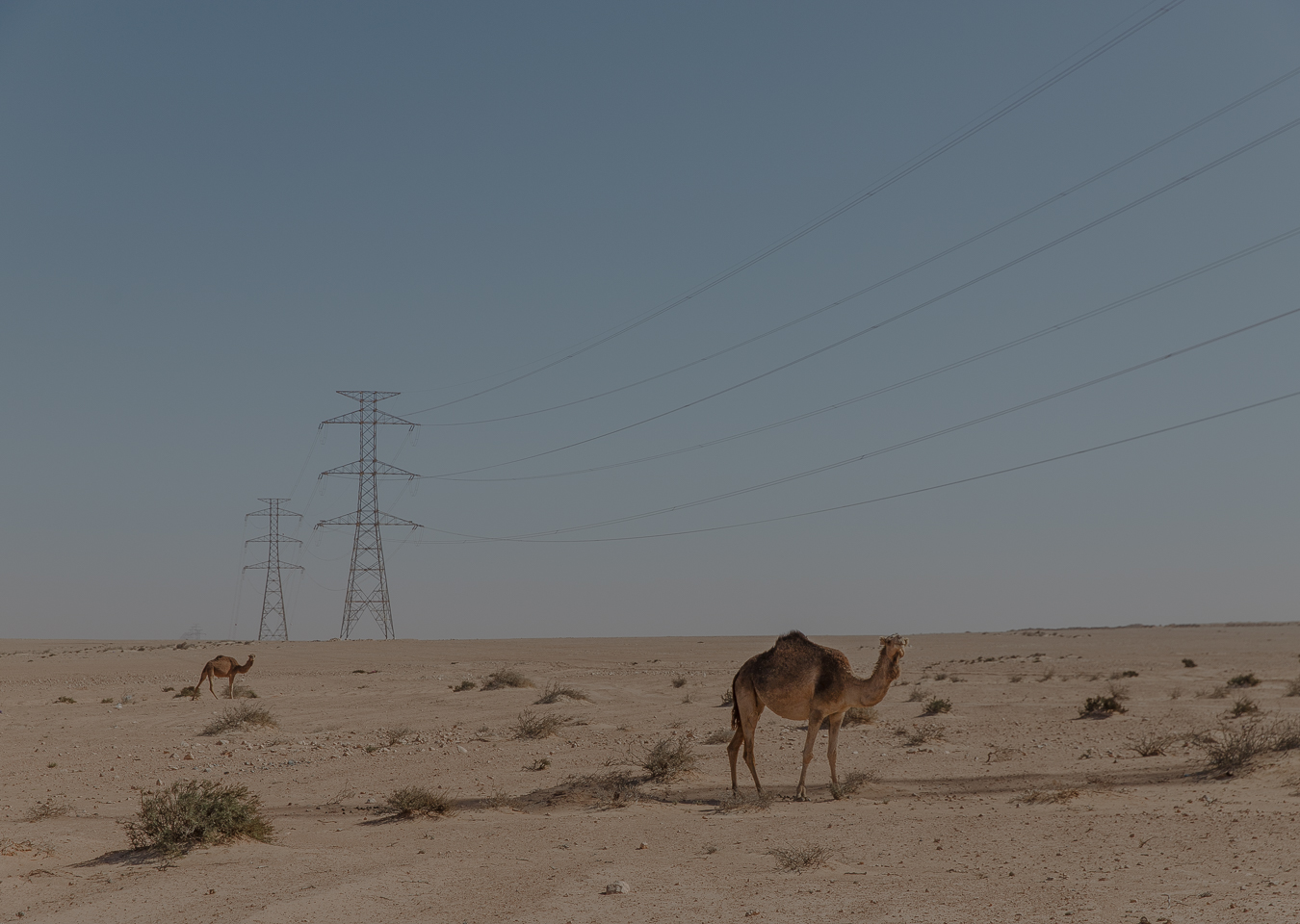
Another company of the Moroccan king involved in occupied Western Sahara
A company closely linked to Morocco’s royal business network has entered a new project in occupied Western Sahara, partnering with a Chinese state-owned electricity giant on high-voltage infrastructure in Boujdour.
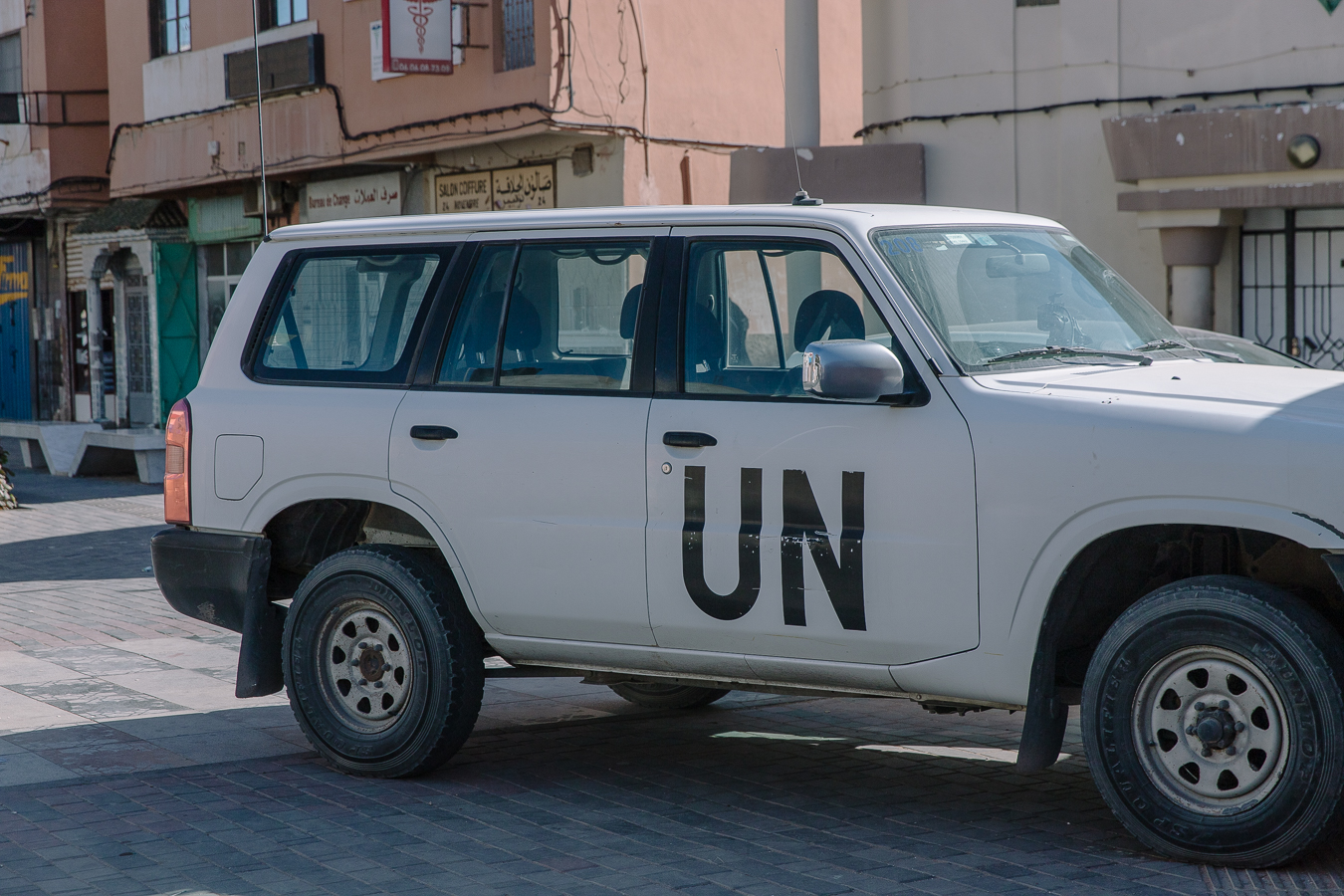
Don't let resource exploitation decide Western Sahara's future
Western Sahara Resource Watch calls on the UN to address the accelerating exploitation of the territory’s natural resources - and prevent it from becoming an even greater obstacle to self-determination.
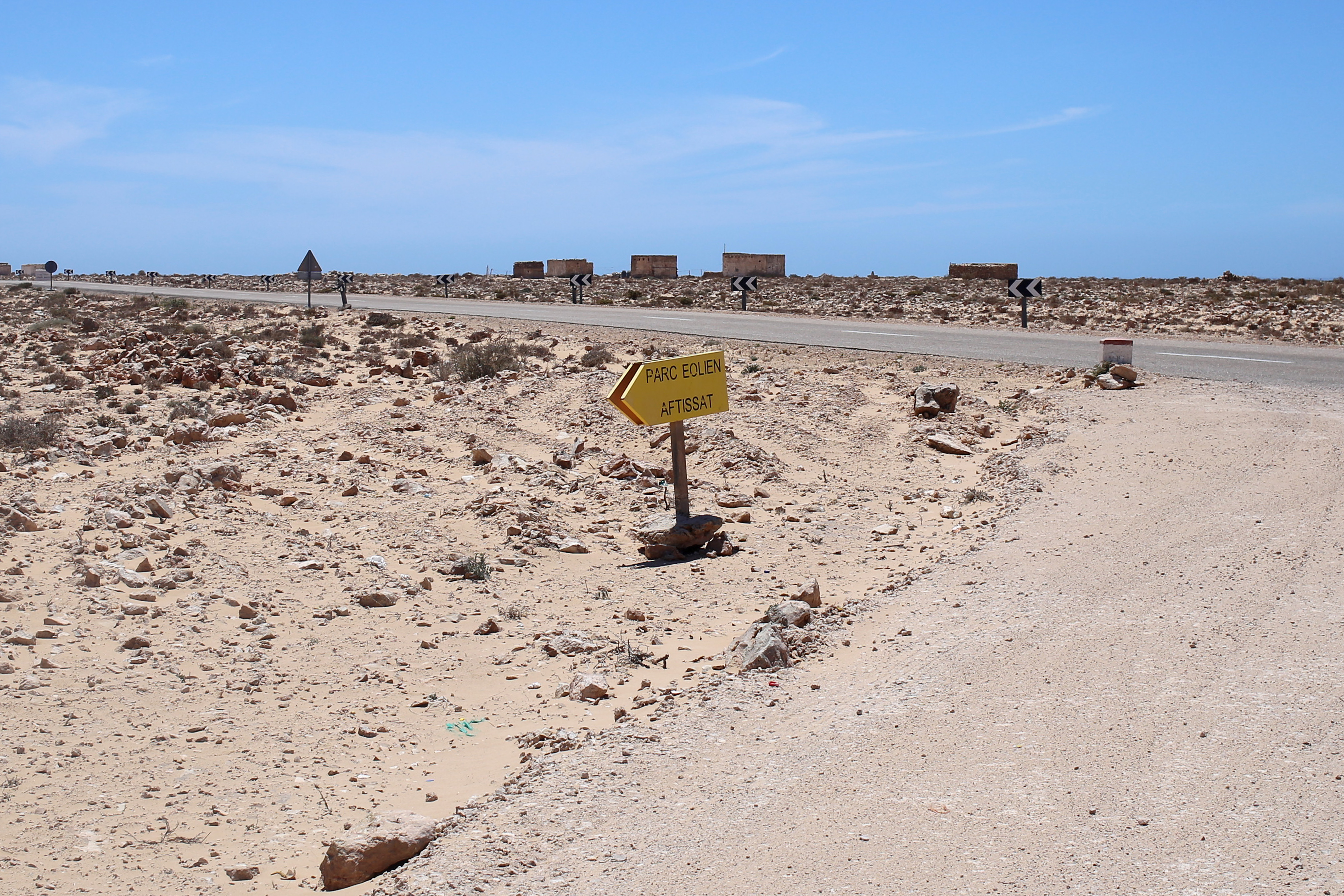
Occupied Western Sahara wind complex expands into Africa's top three
The Moroccan king’s energy company appears to have completed two new phases of the Aftissat wind power complex in occupied Western Sahara.

Dirty green energy on occupied land
How can it be wrong to develop renewable energy, in a world that is in desperate need for a green transition? In Western Sahara, the problems are numerous.