On Monday, the European Parliament's committee for International Trade decided to delay the ratification-process of the EU-Moroccan agricultural agreement due to legal ambiguities.
The decision to postpone follows a legal opinion by the Parliament’s lawyers, questioning the agreement's unclear impact on the people of Western Sahara.
More specifically, the legal services raised concern on the fact that it is not clear “whether and how the proposed Agreement will be applied to the territories of Western Sahara and how it will actually benefit the local people”. It is also unclear “whether the further liberalisation of those goods is in accordance with the wishes and interests of the people of Western Sahara”.
"Under these circumstances, it seems appropriate to clarify these questions with the Commission before taking a position on the consent to the conclusion of the proposed Agreement", the opinion concluded.
José Bové, the rapporteur appointed by the international trade committee, has announced he will not draft his report until the European Commission clears up these legal issues.
According to a UN Legal Opinion, any economic activity in the Non-Self Governing Territory of Western Sahara requires prior consent of the people of the territory. To date, the EU has not obtained the consent from the Saharawi people on any trade agreement with Morocco covering Western Sahara's abundant natural resources.
Both the USA and the EFTA states have specifically excluded Western Sahara from the scope of their free trade agreements with Morocco.
The agreement, which foresees an increased liberalisation of EU imports from Morocco, faces heavy opposition from Southern European agricultural organisations. Especially European tomato-producers fear they will be outcompeted by Morocco’s cheaper exports. An increasing percentage of tomatoes labelled as Moroccan, are grown illegally in the occupied territories of Western Sahara.
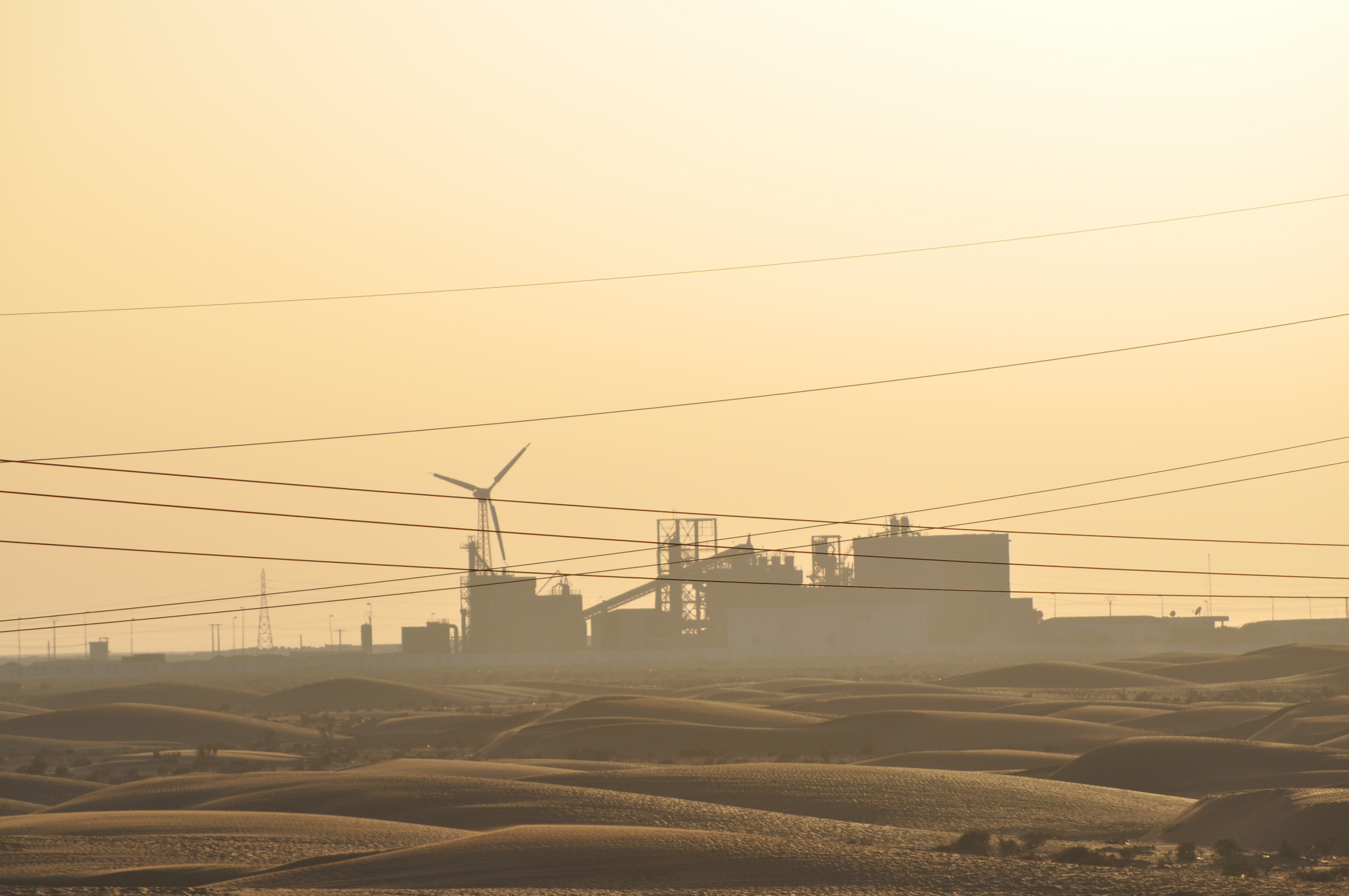
Heidelberg Materials deepens its role in Morocco’s occupation of Western Sahara
The German company confirms once again that its operations in occupied Western Sahara are closely tied to Morocco’s infrastructure expansion in the territory - while continuing to dismiss the Saharawi people’s right to consent.

The conflict phosphates - four decades of plunder
For over 40 years, a Moroccan state-owned company has exported phosphate rock from occupied Western Sahara.
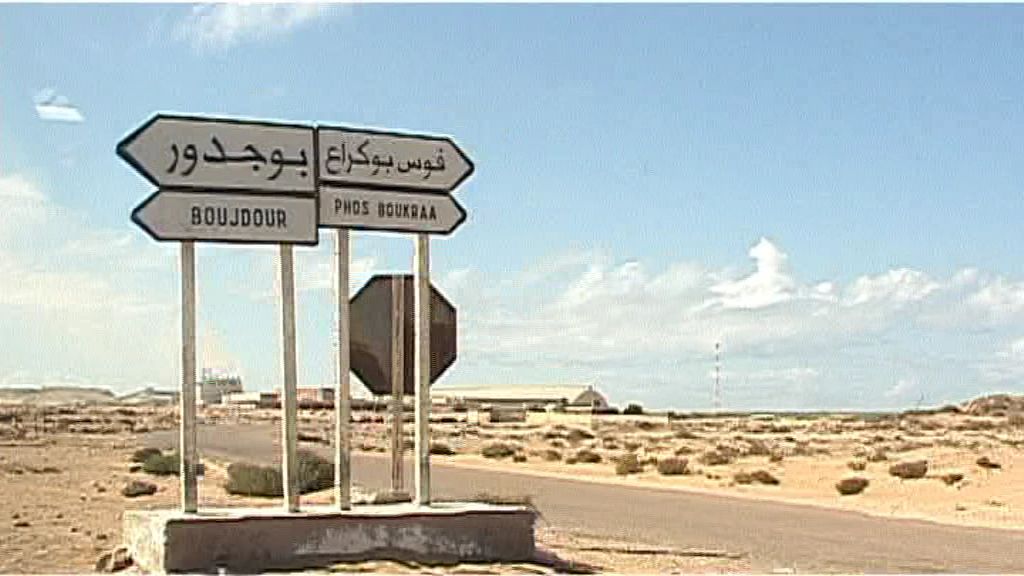
Record low number of importers of Western Sahara phosphates
Only three companies imported phosphate rock from occupied Western Sahara in 2025 - the lowest number ever recorded. The findings appear in our annual P for Plunder report, released today.

One of the richest coastlines in the world
The fish stocks of occupied Western Sahara have not only attracted the interest of the Moroccan fleet: other foreign interests are also fishing in the occupied waters through arrangements with Moroccan counterparts. Along the Western Saharan coastline, a processing industry has emerged.