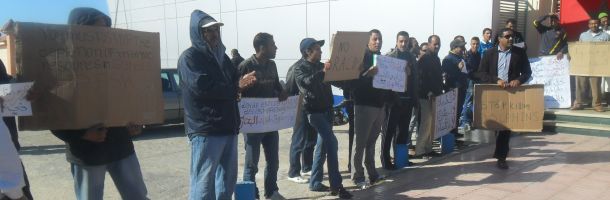
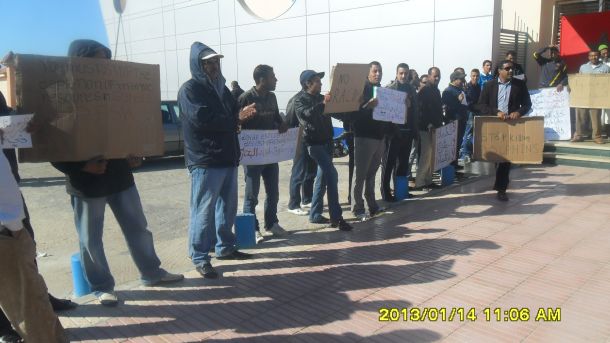
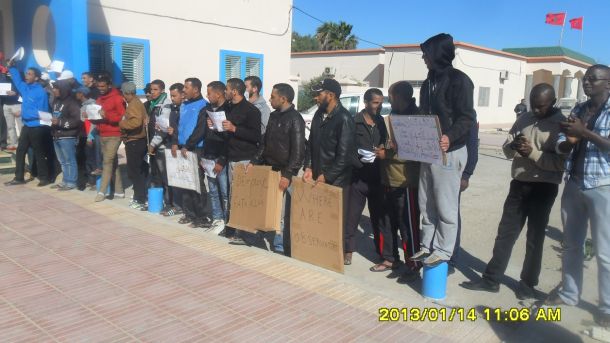
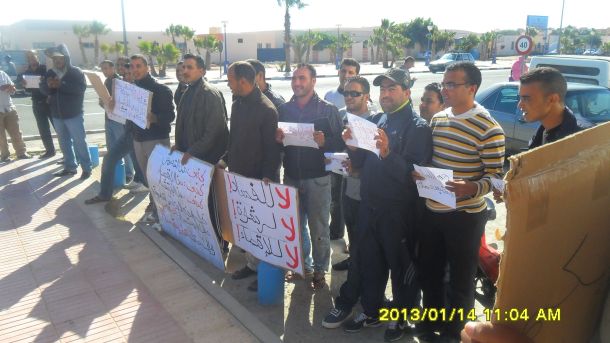
Unemployed Saharawis call for an end to discrimination in fisheries industry.
On 13 January, at 11am local time, Saharawi fishermen in Dakhla staged a peaceful protest outside of the Delegation for Fisheries in Dakhla, occupied Western Sahara. It was the second protest this month, taking place only a few days after the previous demo.
The fishermen repeated that they consider themselves on the losing end of the discriminatory employment practices of the Moroccan government's recruitment agency in their occupied hometown. They also demanded an end be put to the depletion of Western Saharan fish stocks by “lobbying of the Moroccan government", as one protester put it.
The fishermen claim they were hindered by the Moroccan police on their way to the protest site. They say the Moroccan security troops are currently intensifying their presence in certain neighbourhoods of the city, against the backdrop of celebrations commemorating the foundation of the Frente Polisario - the internationally recognised representative of the Saharawi people.
SRI update
The following overview enlists stock-exchange registered companies with current or recent operations in occupied Western Sahara. Updated 28 September 2026.
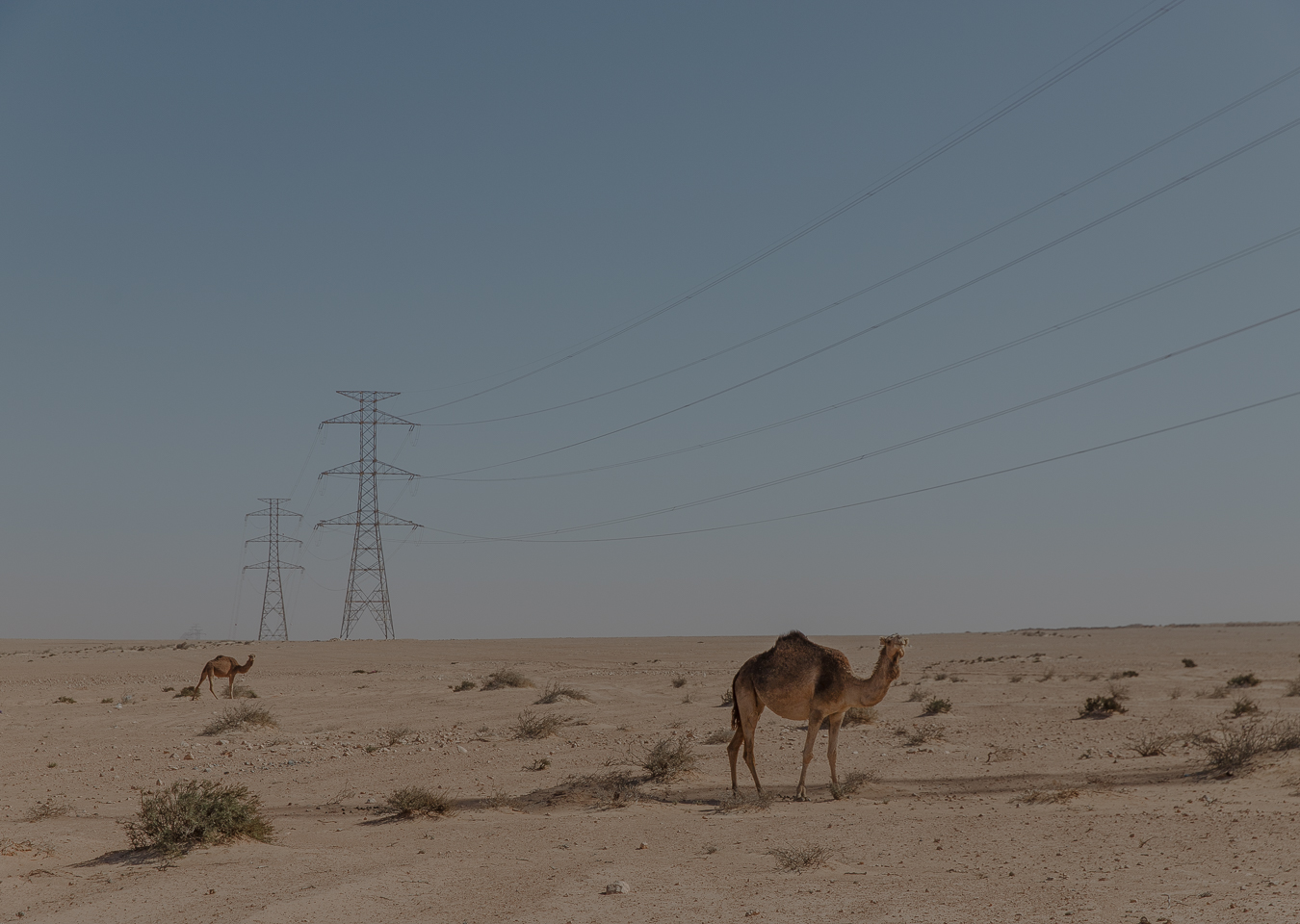
Another company of the Moroccan king involved in occupied Western Sahara
A company closely linked to Morocco’s royal business network has entered a new project in occupied Western Sahara, partnering with a Chinese state-owned electricity giant on high-voltage infrastructure in Boujdour.

Don't let resource exploitation decide Western Sahara's future
Western Sahara Resource Watch calls on the UN to address the accelerating exploitation of the territory’s natural resources - and prevent it from becoming an even greater obstacle to self-determination.
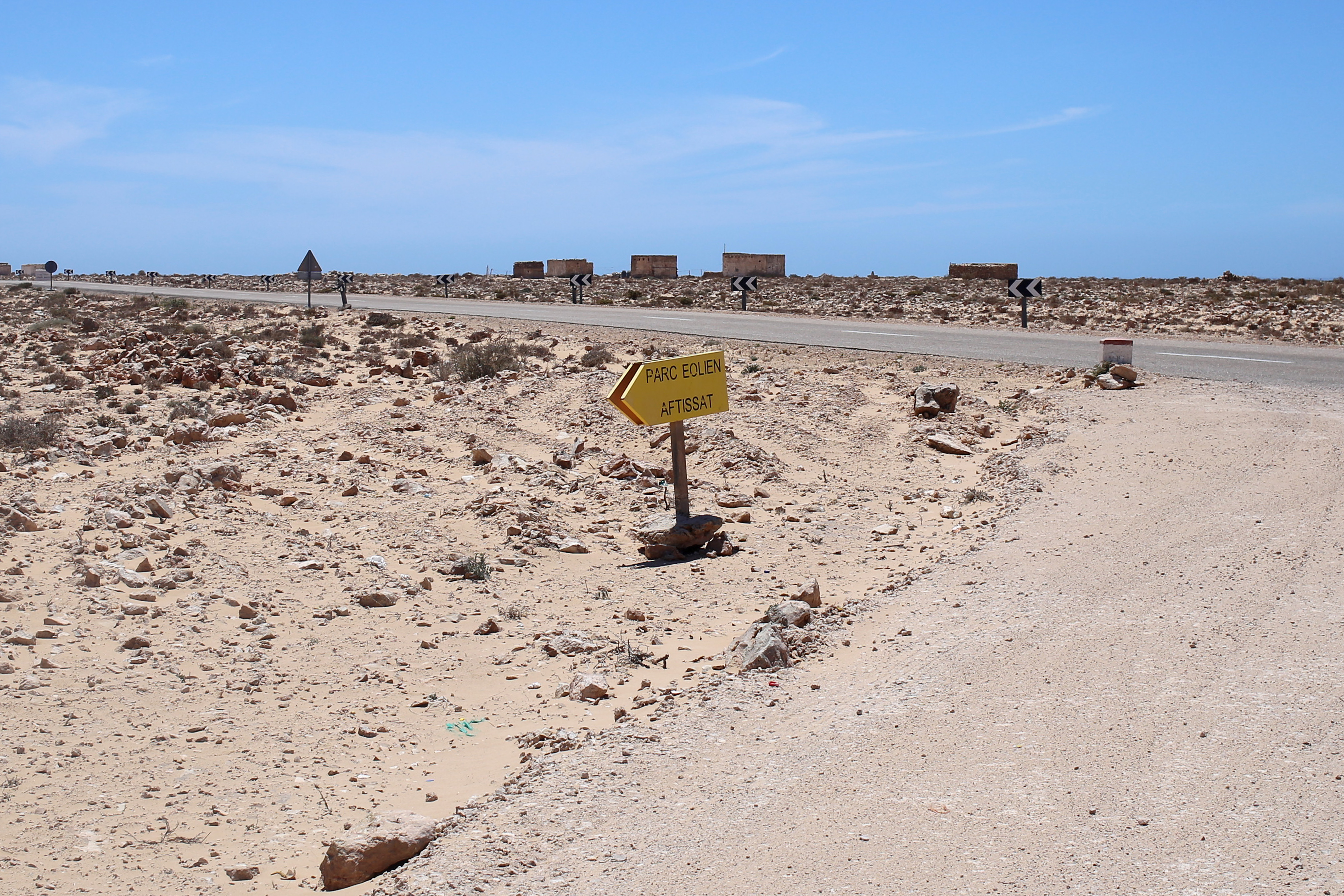
Occupied Western Sahara wind complex expands into Africa's top three
The Moroccan king’s energy company appears to have completed two new phases of the Aftissat wind power complex in occupied Western Sahara.