EU-Morocco DCFTA talks launched tomorrow

On 27 February, the date of the foundation of the Western Sahara Republic in exile, the European Commission will commence talks with Morocco on a Deep and Comprehensive Free Trade Agreement – a trade deal which will have a profound impact on occupied Western Sahara.
Published 25 February 2013
On 27 February, Saharawi around the world will be celebrating the foundation of the Saharawi Arab Democratic Republic, exiled from its occupied land Western Sahara. Yet in a bitter twist of fate, that day will this year also be marked as the day the European Commission started talks on deepening trade relations with the country that has occupied large parts of Western Sahara since 1975; Morocco.
The Deep and Comprehensive Free Trade Agreement (DCFTA) will grant Morocco progressive economic integration into the EU market. The country will gain more opportunities to export to the Union and attract European investments.
But the deeper bilateral trade relations are likely to have an impact beyond Morocco’s national borders; it may open up massive prospects for EU businesses in the occupied parts of Western Sahara - if the EU fails to expressly limit the geographical extent of the deal to Morocco proper.
Saharawi civil society organisations have called on the EU to exclude their occupied country, following international law.
"We ask the European Union to do nothing more than demonstrate genuine respect for the most fundamental right of all, the right to self-determination, through explicitly excluding Western Sahara from all future trade agreements with Morocco", their letter read.
Immediately following Morocco's court martial of 25 Saharawi activists on 17 February, WSRW had appealed to the European Commission to put the DCFTA talks on hold. The military court in Rabat has condemned the activists to severe sentences ranging from 20 years to life in prison, for having participated in the Gdeim Izik camp in protest of the Saharawi people's continuous social and economical marginalisation in their occupied country.
The European Commission did not issue a statement on the Gdeim Izik verdicts.
News
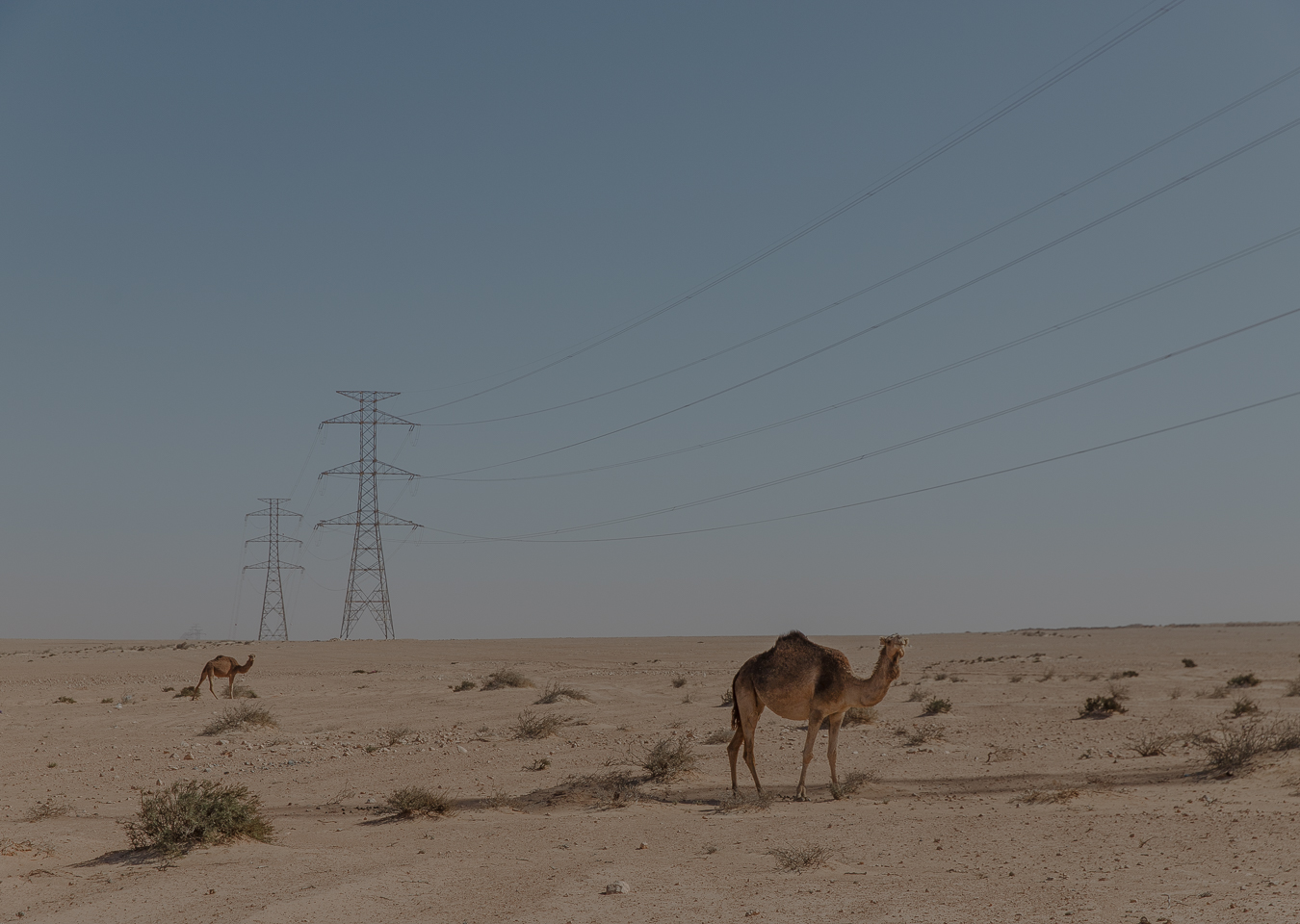
Another company of the Moroccan king involved in occupied Western Sahara
A company closely linked to Morocco’s royal business network has entered a new project in occupied Western Sahara, partnering with a Chinese state-owned electricity giant on high-voltage infrastructure in Boujdour.
10 September 2026
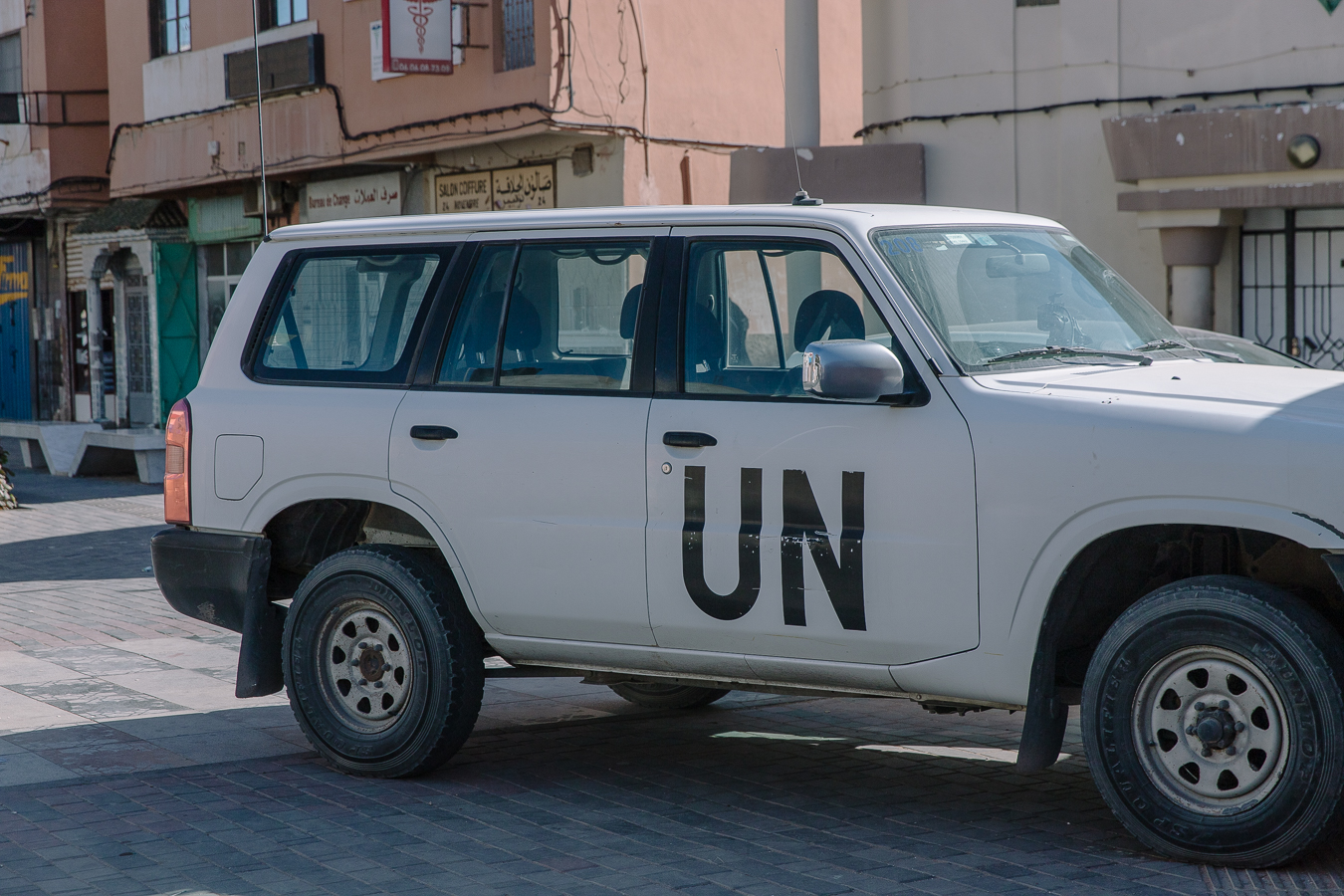
Don't let resource exploitation decide Western Sahara's future
Western Sahara Resource Watch calls on the UN to address the accelerating exploitation of the territory’s natural resources - and prevent it from becoming an even greater obstacle to self-determination.
08 September 2026
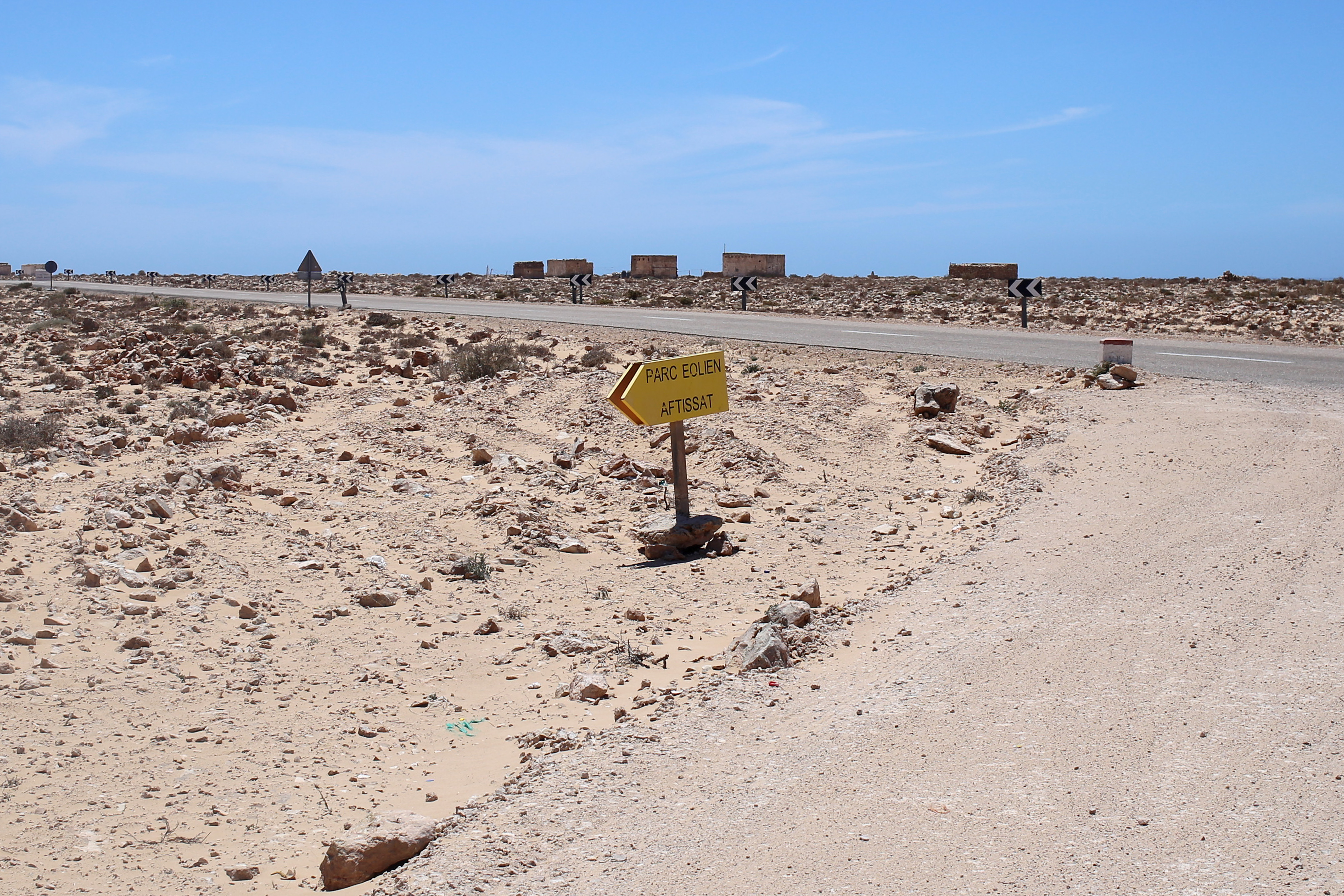
Occupied Western Sahara wind complex expands into Africa's top three
The Moroccan king’s energy company appears to have completed two new phases of the Aftissat wind power complex in occupied Western Sahara.
11 August 2026

Dirty green energy on occupied land
How can it be wrong to develop renewable energy, in a world that is in desperate need for a green transition? In Western Sahara, the problems are numerous.
06 August 2026