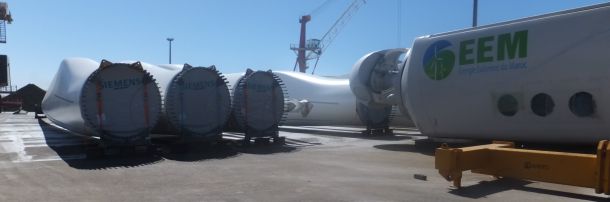
One year ago, a wind farm project that Morocco is undertaking in occupied Western Sahara was turned down when seeking to obtain UN-sponsored carbon credits. Now, that same project has been approved by another, private credit issuing agency.
In May 2013, the Foum el Oued Wind Farm Project became registered at the Verified Carbon Standard (VCS) - a voluntary greenhouse gas reduction programme. Having received a positive appraisal by SGS United Kingdom Limited, a British firm assigned to evaluate the project's compliance with VCS's standards, the Foum el Oued project can now obtain carbon credits, which can be traded in for hard cash.
There are two markets for carbon credits; the compliance or regulatory carbon market and the voluntary carbon market.
"While the former was set up by the international community to achieve governments’ and companies’ compliance with the Kyoto Protocol through a strict set of rules and standards, the latter lacks precisely that: government oversight and a clear, common set of procedures for selecting emission reduction projects. The voluntary market has nevertheless expanded tremendously over the past few years, and has become a lucrative business where anyone, including individuals, can purchase carbon credits to mitigate their own greenhouse gas emissions", says Eva Filzmoser from Carbon Market Watch, a Brussels based NGO advocating a fair and effective climate protection.
It is in this market that VCS is a big player, using its own set of standards to determine whether a project is eligible for carbon credits.
The Foum el Oued Project is to be operated and managed by NAREVA Holding, a Moroccan industrial and financial group controlled by the King of Morocco. German multinational Siemens AG has been contracted to supply the wind turbines and technical know-how to the project. According to the Moroccan agency for Electricity, the project should be up and running by 2014.
NAREVA’s attempt to register the Foum el Oued project in the UN dominated compliance market was unsuccessful. Det Norske Veritas, the Norwegian firm certified by the UN Clean Development Mechanism to evaluate the project, turned the project down in 2012 precisely because it was located in a politically controversial area. With no prospect of obtaining carbon credits, the entire project became less profitable for the Moroccan operator. This may have motivated NAREVA's subsidiary Energie Eolienne du Maroc (EEM) to try the voluntary carbon market, where the lack of standardized rules seems to have played in its advantage.
WSRW has today sent a letter to the Board of VCS, requesting them to reconsider the registration of the Foum el Oued wind farm project.
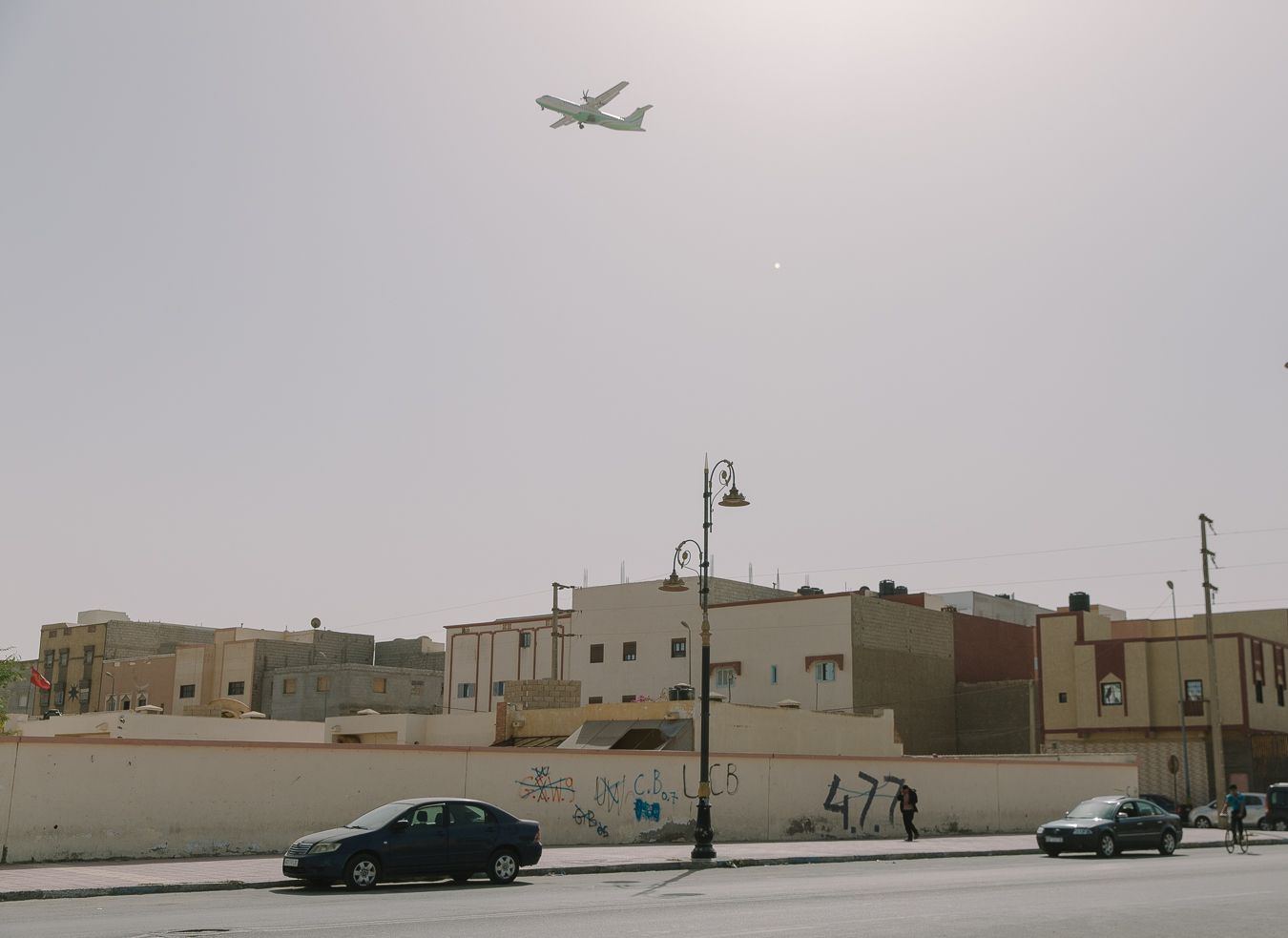
European Parliament approves updated Morocco aviation agreement… without Western Sahara
The law is settled, but the practice is not. The recently adapted aviation deal excludes Western Sahara - yet the European Commission still tolerates EU airlines operating there regardless.
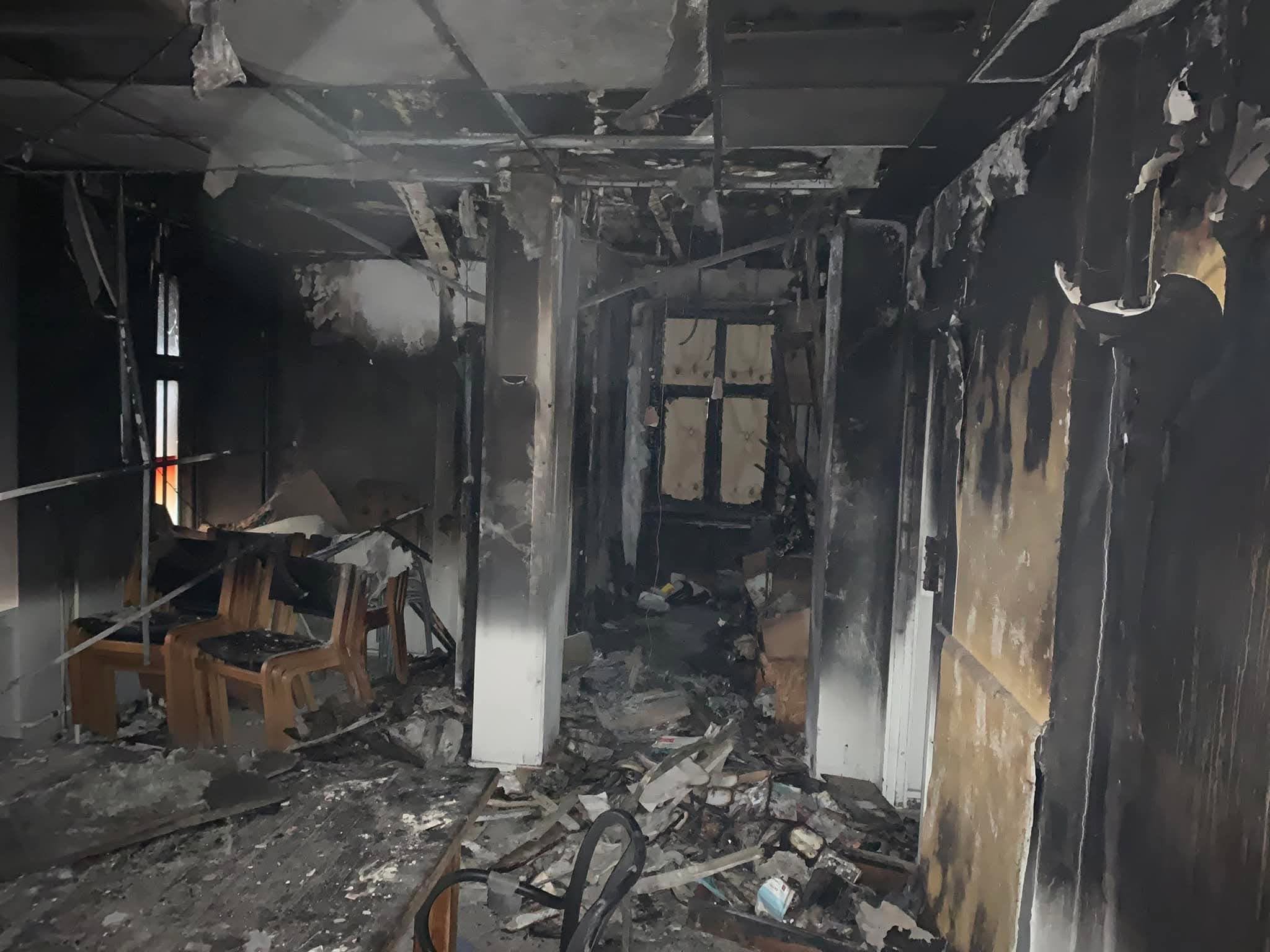
Trial underway over firebombing of WSRW partner in Denmark
A trial has begun in Copenhagen against four men accused of carrying out the January 2025 arson attack on the offices of WSRW partner Global Aktion.
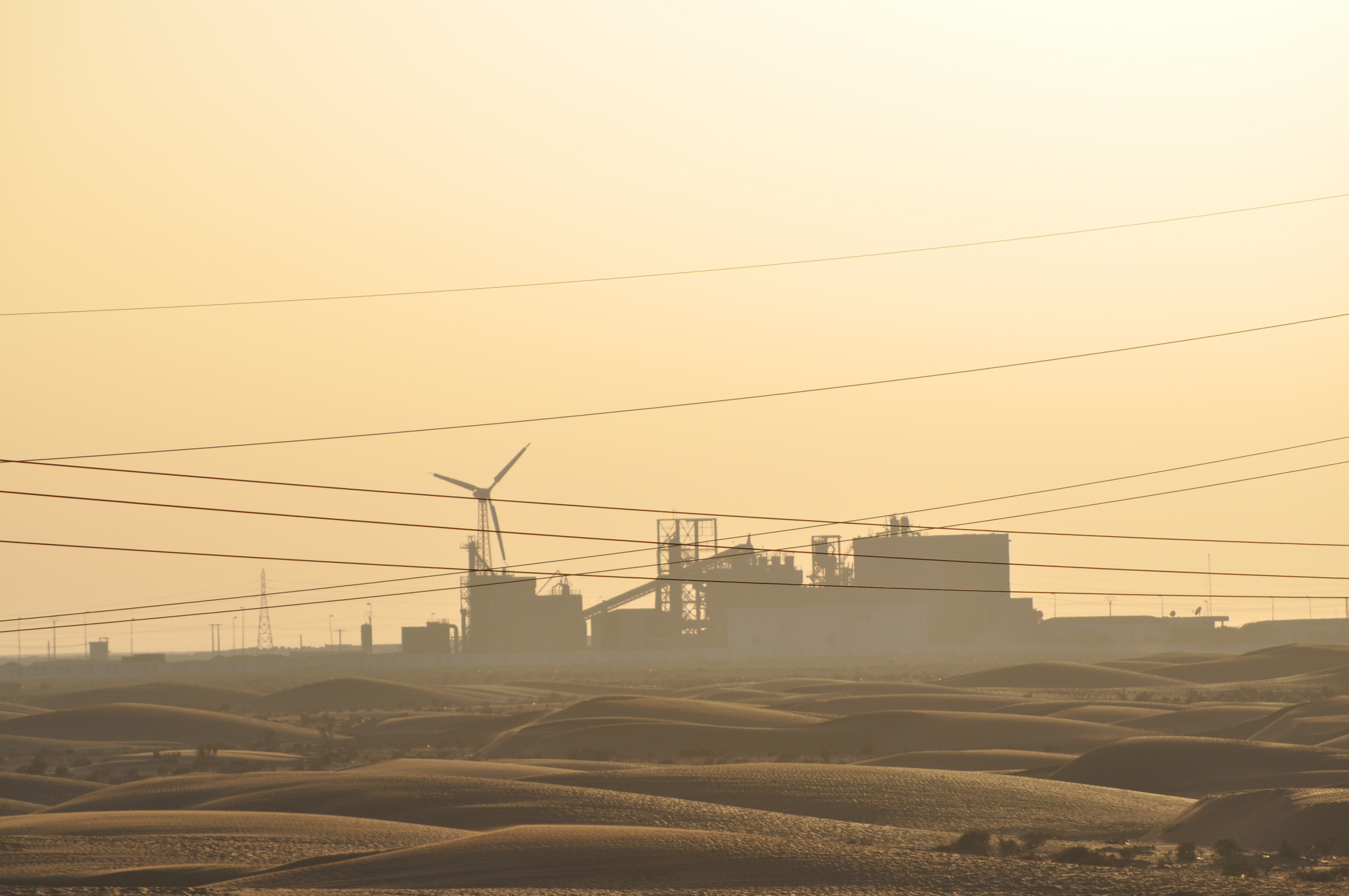
Heidelberg Materials deepens its role in Morocco’s occupation of Western Sahara
The German company confirms once again that its operations in occupied Western Sahara are closely tied to Morocco’s infrastructure expansion in the territory - while continuing to dismiss the Saharawi people’s right to consent.

The conflict phosphates - four decades of plunder
For over 40 years, a Moroccan state-owned company has exported phosphate rock from occupied Western Sahara.