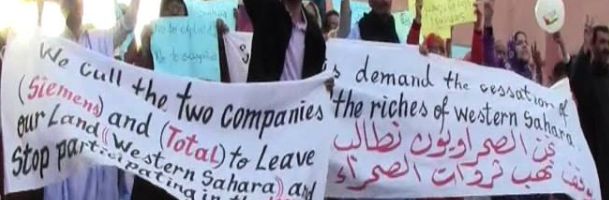
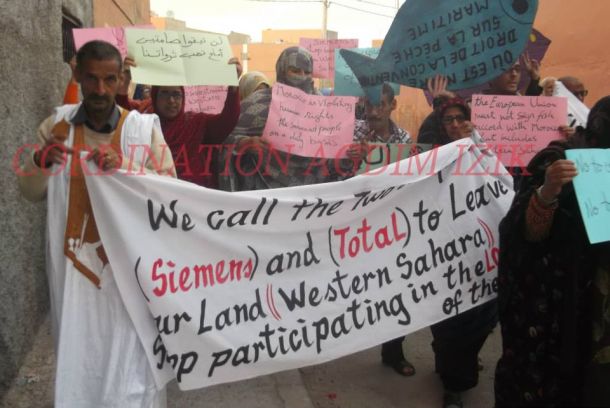
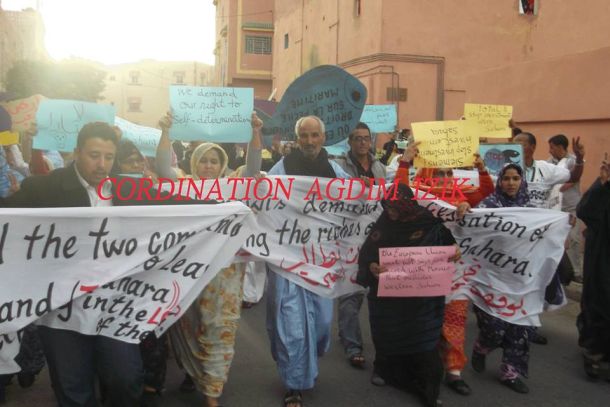
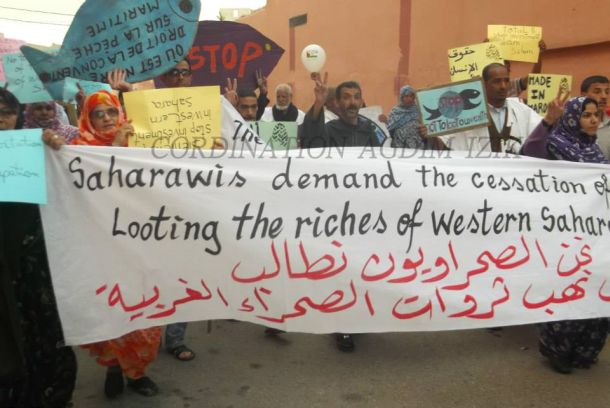
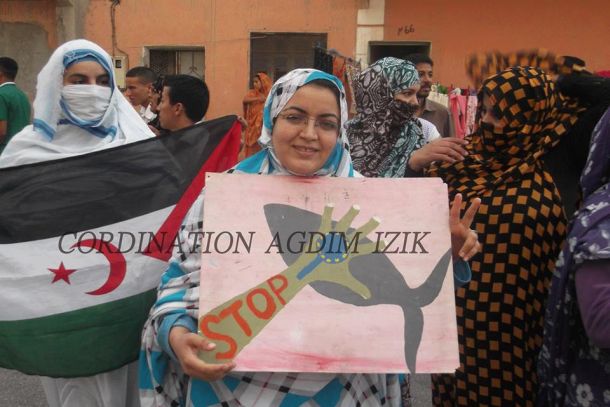
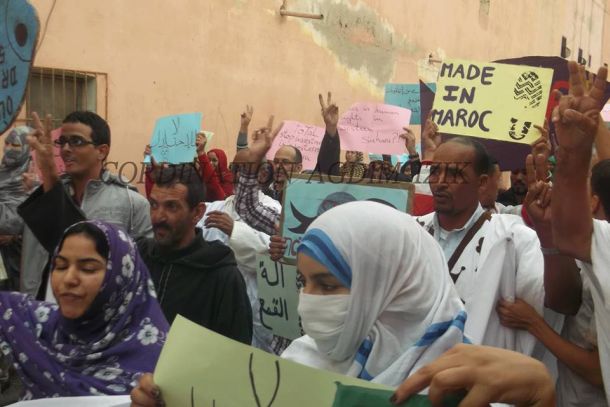
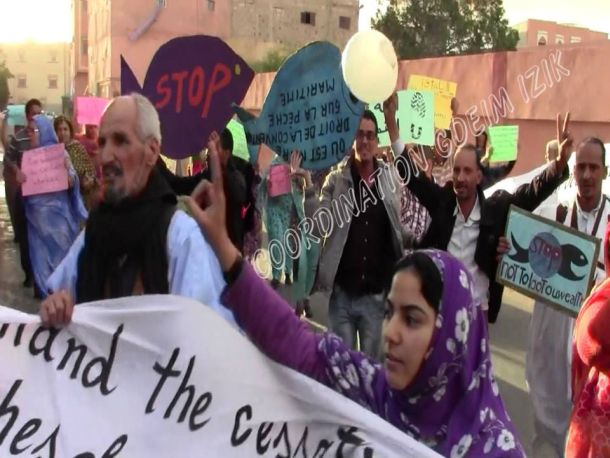
On Sunday 17 November, dozens of Saharawis took to the streets of El Aaiun to protest against the involvement of Total, Siemens and the EU in the illegal exploitation of their occupied country's natural resources.
The protest march took place late afternoon, yesterday, in the capital city of occupied Western Sahara. Protesters specifically called on French oil company Total and German multinational Siemens to stop taking part in the plunder of Western Sahara. In addition, slogans and banners targetting the EU's intentions to fish in occupied waters, were widespread.
Gdeim Izik prisoners resume hunger strike
Saharawi political prisoners have resumed a hunger strike in Moroccan prisons, demanding their release, improved detention conditions and the implementation of UN decisions.
SRI update
The following overview enlists stock-exchange registered companies with current or recent operations in occupied Western Sahara. Updated 28 September 2026.
Another company of the Moroccan king involved in occupied Western Sahara
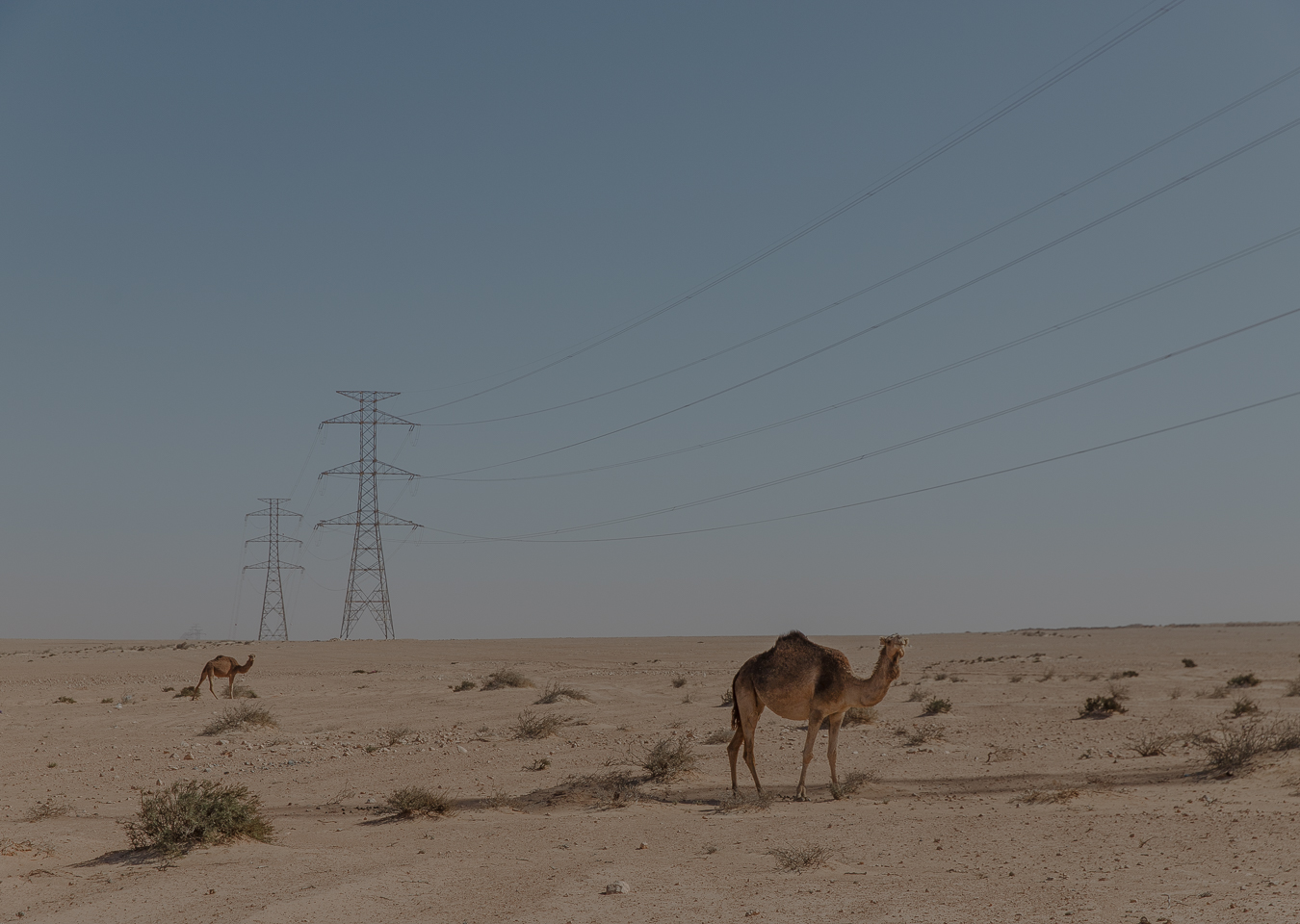
A company closely linked to Morocco’s royal business network has entered a new project in occupied Western Sahara, partnering with a Chinese state-owned electricity giant on high-voltage infrastructure in Boujdour.

Don't let resource exploitation decide Western Sahara's future
Western Sahara Resource Watch calls on the UN to address the accelerating exploitation of the territory’s natural resources - and prevent it from becoming an even greater obstacle to self-determination.