Several big European investment banks have indicated that they will not finance renewable energy projects in occupied Western Sahara. As a result, Morocco is forced to look for other, less ethically inspired funders.
Sources at German state-owned banks, the World Bank, the European Investment Bank (EIB) and the European Union have all told Reuters they would not finance renewable energy projects based in Western Sahara – precisely because of the geographic location of those projects; inside a territory that Morocco has occupied since 1975, in flagrant disrespect of international law and the Western Saharan people’s right to self-determination.
Just a few weeks ago, a European investor source had told Reuters that they did not want to support any project in Western Sahara, because they wish to maintain a neutral position vis-à-vis the conflict. In September 2013, the European Commission and EIB explaineenerd to the news service Euractiv that they did not foresee to sponsor any such projects.
"The large money lenders deserve credit for refusing funds for such deals. The plundering of occupied Western Sahara is today a race to the bottom, where the least ethically minded funders and companies close their eyes to basic social responsibility. We believe Morocco might have hit the bottom in China", said Erik Hagen, chair of Western Sahara Resource Watch.
The European positions on refusing Morocco credit for such projects in Western Sahara were voiced in the aftermath of a report published by WSRW in August of last year. That report “Dirty Green March” detailed Morocco’s plans to build wind and solar energy plants inside the occupied territories of Western Sahara. As a net energy-importer, Morocco is facing ever-increasing energy bills. Investing in solar and wind energy could alleviate expenses.
However, some of the envisioned plants will be located outside of Morocco’s internationally recognised borders, and inside the territory that many Saharawis fled from after Morocco’s military invasion in 1975. Problematically, Morocco would thus make itself even more dependent on upholding the illegal occupation. An issue which does not seem to go down well with European investors and the World Bank.
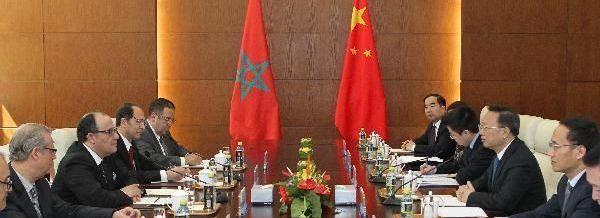
Nevertheless, Morocco has according to Reuters managed to team up with investors from China, Japan and the Gulf region. Morocco’s Minster for Foreign Affairs, Salaheddine Mezouar, boasts of having secured $9 billion for the solar project, consisting of 5 plants. Two of those are planned in occupied Western Sahara; a 100 MW plant near the town of Boujdour and another 500 MW plant just south of the capital El Aaiun.
The Minister however declined to give Reuters further details on the financing contracts with specific parties, yet stated that the financing is not conditional on the location of the plants.
"That is their problem. We have no financing problems. If some people don't want to come, others will", the Minister told Reuters on EU investors backing out.
The European denial of issuing credit resembles what WSRW has seen from other government controlled funding institutions. US agency USTDA has stated something similar on refusing Morocco funds for marketing the oil industry in Western Sahara, while the Scandinavian export credit agencies have stated comparable positions on Western Sahara projects in general.
Gdeim Izik prisoners resume hunger strike
Saharawi political prisoners have resumed a hunger strike in Moroccan prisons, demanding their release, improved detention conditions and the implementation of UN decisions.
SRI update
The following overview enlists stock-exchange registered companies with current or recent operations in occupied Western Sahara. Updated 28 September 2026.
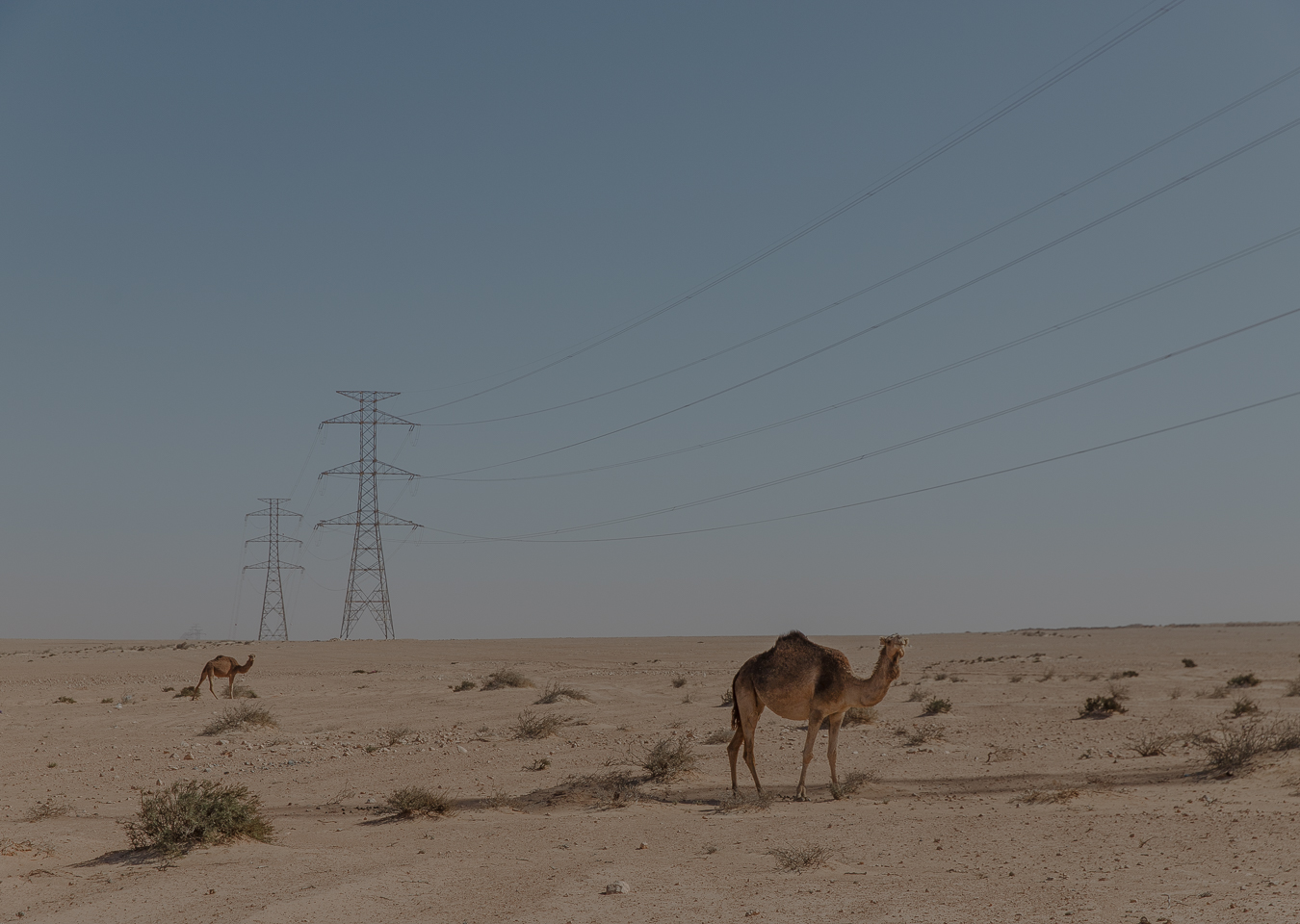
Another company of the Moroccan king involved in occupied Western Sahara
A company closely linked to Morocco’s royal business network has entered a new project in occupied Western Sahara, partnering with a Chinese state-owned electricity giant on high-voltage infrastructure in Boujdour.
Don't let resource exploitation decide Western Sahara's future
Western Sahara Resource Watch calls on the UN to address the accelerating exploitation of the territory’s natural resources - and prevent it from becoming an even greater obstacle to self-determination.