The Swedish company Wisby Tankers AB is leading in a controversial trade: supplying occupied Western Sahara with petroleum products. New WSRW report today.
Western Sahara Resource Watch (WSRW) publishes today a report outlining the transports of petroleum products into occupied Western Sahara. The findings document a heavy involvement of the Swedish shipping company Wisby Tankers.
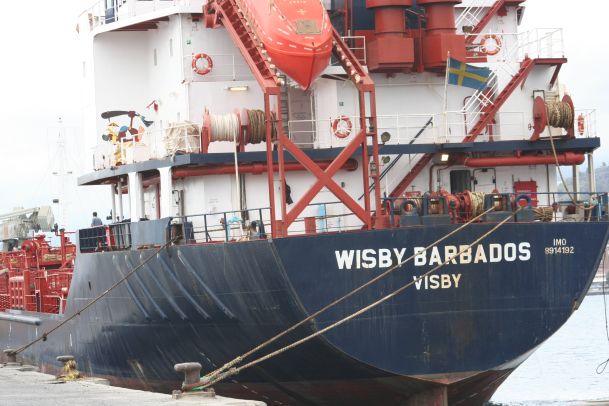
That company owns two vessels in partnership with its Moroccan partners, and its joint-venture Casablanca Tankers is by far the most important supplier of petroleum to Western Sahara. Its two vessels, Wisby Argan and Wisby Cedar, came into operation in 2010 and they have sailed into the occupied territory on average every twelve days with petroleum products.
Download the report ‘Fuelling the occupation’ here.
The volume of the petroleum deliveries is astonishing: the vessels are supplying the occupied territory an average of over half a million litres of petroleum each and every day, day in and day out. In total, WSRW estimates that Wisby’s two tankers annually transport 194 million litres of petroleum products into Western Sahara – with a value probably around € 106 million. That constitutes the majority of the perhaps 250-280 million litres/year petroleum that is delivered into the territory.
Wisby Tankers has been carrying out this trade for a decade and the petroleum it transports is used to uphold the occupation. It goes almost without saying that the Saharawis in Western Sahara also need petroleum products for civilian life-sustaining purposes. Yet, the petroleum is mostly used by the Moroccan administration, army, settlers and for plunder of the territory’s rich natural resources. Without the oil imports the illegal occupation would be practically impossible to maintain. The petroleum originates from refineries in Spain, including on the Canary Islands.
WSRW urges the Swedish government to advice against Swedish business involvement in occupied Western Sahara, and calls on the company to terminate the transports to the territory.
Download high resolution version of the report here. (10 Mb)
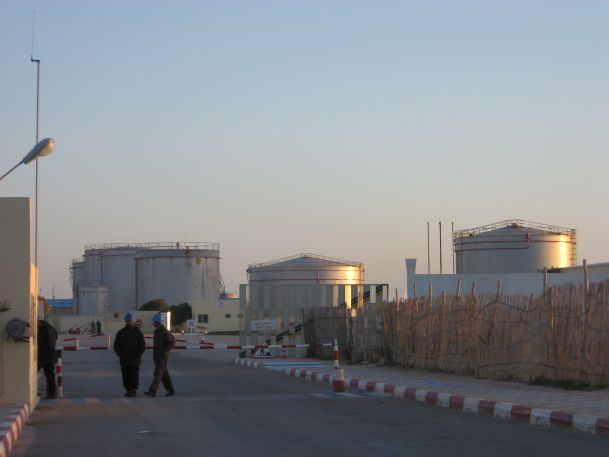
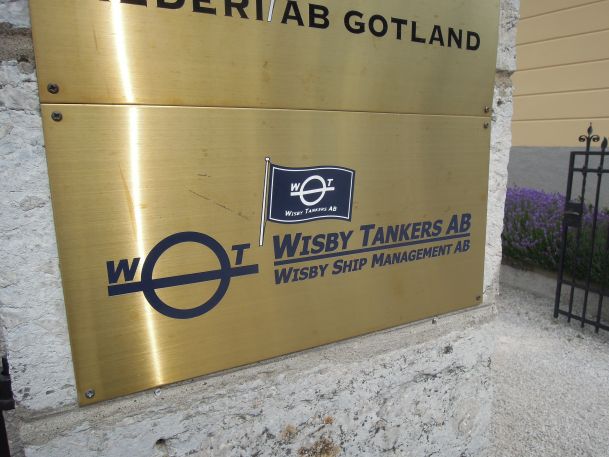
Below: Images used in the report. Download for higher resolution.
SRI update
The following overview enlists stock-exchange registered companies with current or recent operations in occupied Western Sahara. Updated 28 September 2026.
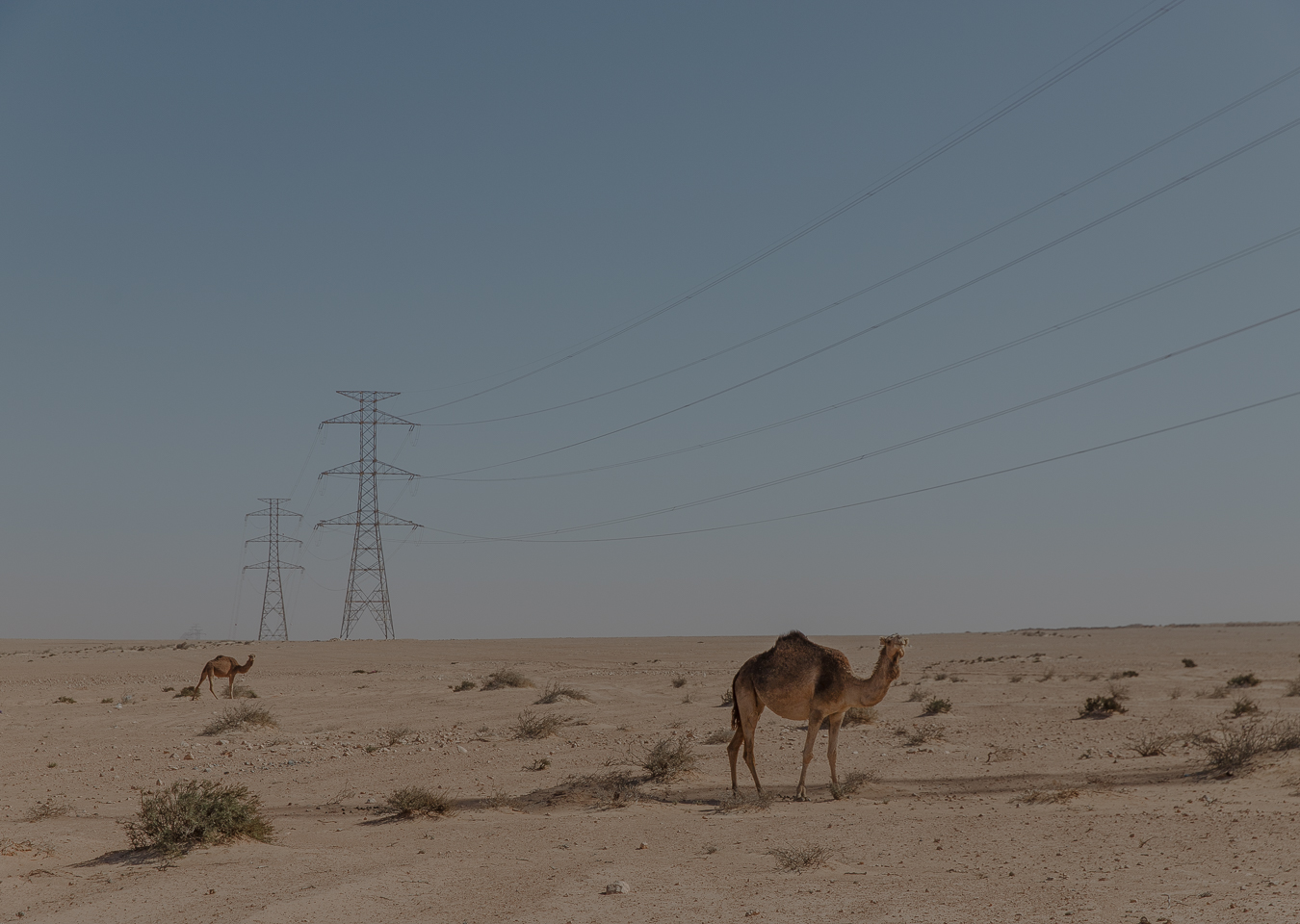
Another company of the Moroccan king involved in occupied Western Sahara
A company closely linked to Morocco’s royal business network has entered a new project in occupied Western Sahara, partnering with a Chinese state-owned electricity giant on high-voltage infrastructure in Boujdour.
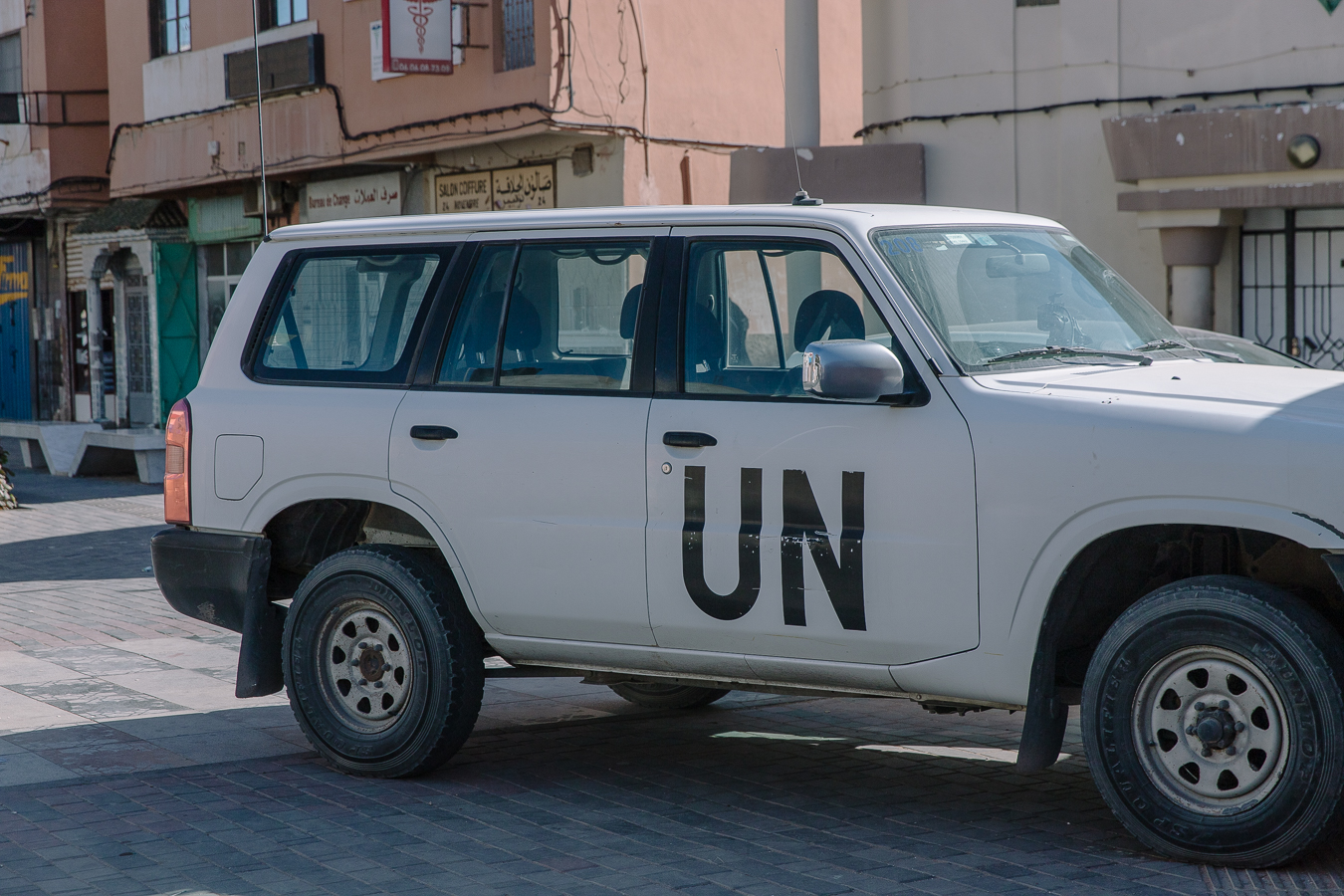
Don't let resource exploitation decide Western Sahara's future
Western Sahara Resource Watch calls on the UN to address the accelerating exploitation of the territory’s natural resources - and prevent it from becoming an even greater obstacle to self-determination.
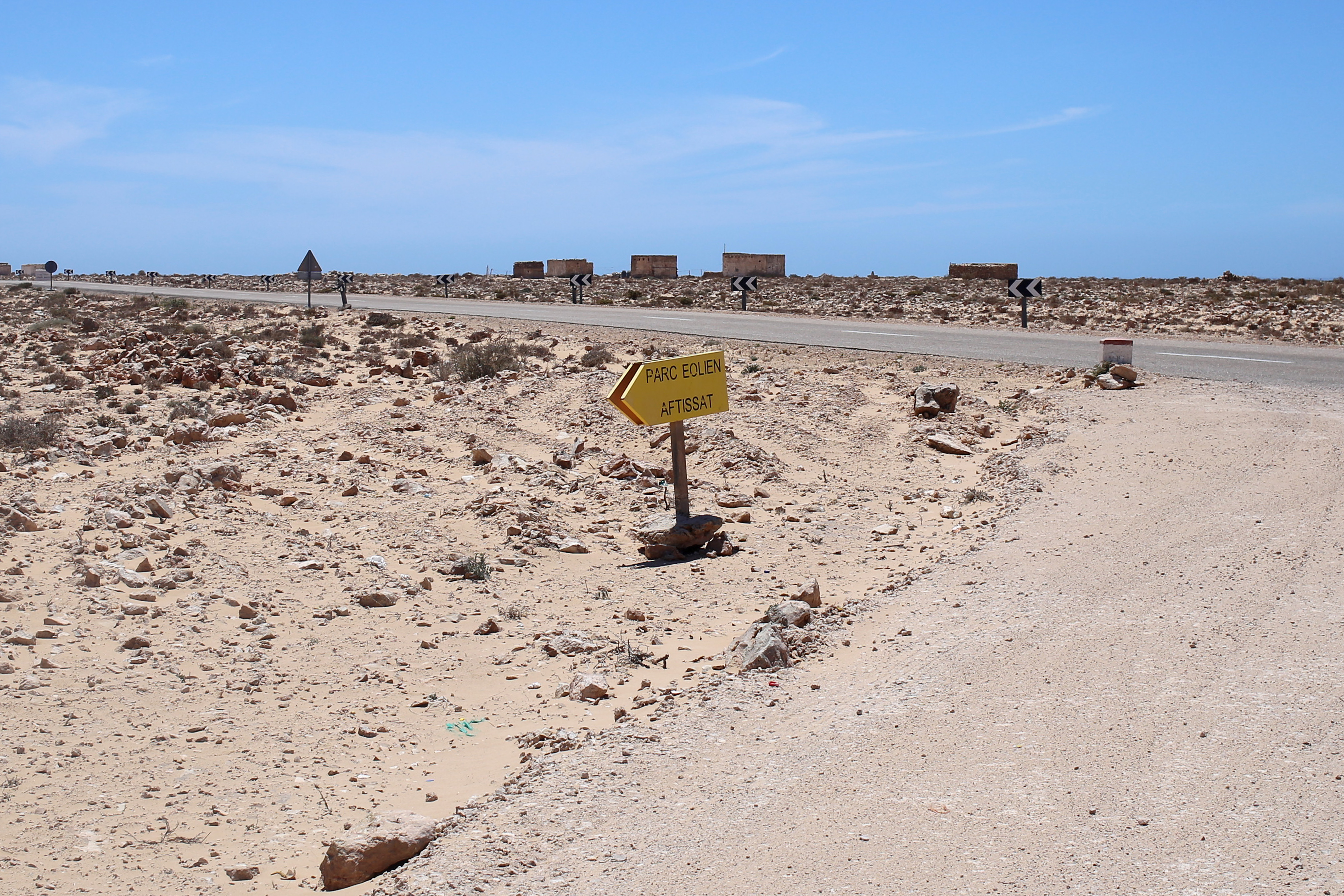
Occupied Western Sahara wind complex expands into Africa's top three
The Moroccan king’s energy company appears to have completed two new phases of the Aftissat wind power complex in occupied Western Sahara.