
The drillship 'Atwood Achiever' has today entered the port of Las Palmas, Canary Islands. There it will do its final adjustments before starting the drilling in occupied Western Sahara.
Before the end of the year, the first drilling in occupied Western Sahara will take place.
The drilling will start in violation of international law, as described by the UN Legal Counsel.
“No state recognizes these waters as Moroccan, and such drilling is found illegal by the UN. This platform symbolizes the worst kind of drilling operation possible to imagine, it is simply a robbery of a people's wealth. It will directly contribute to undermine the UN peace talks”, stated Erik Hagen, chair of Western Sahara Resource Watch (WSRW).
The platform will drill between Western Sahara and the Canary Islands, in the waters of Western Sahara at over 2 kilometers water depth. No environmental study has yet been published, and oceanographers at Universidad de Las Palmas de Gran Canaria have warned that an oil spill would be taken directly onto the beaches of the Canaries.
“This drilling takes place outside of Moroccan national waters. So who will cover the bill if there is an oil spill onto the Canary beaches? The lack of legal framework and the ultra deep location of the drilling, means that there is a high risk involved for the Canaries. It is peculiar to see that Canary government allows its port in Las Palmas to be used to facilitate such kamikaze project”, stated Hagen.
The people of Western Sahara have carried out numerous protests over Moroccan government plans to do its first drilling in Western Sahara ever. Kosmos has not sought the consent of the people of the territory.
Read more about the dangerous and controversial operation in our report "A Platform for Conflict".

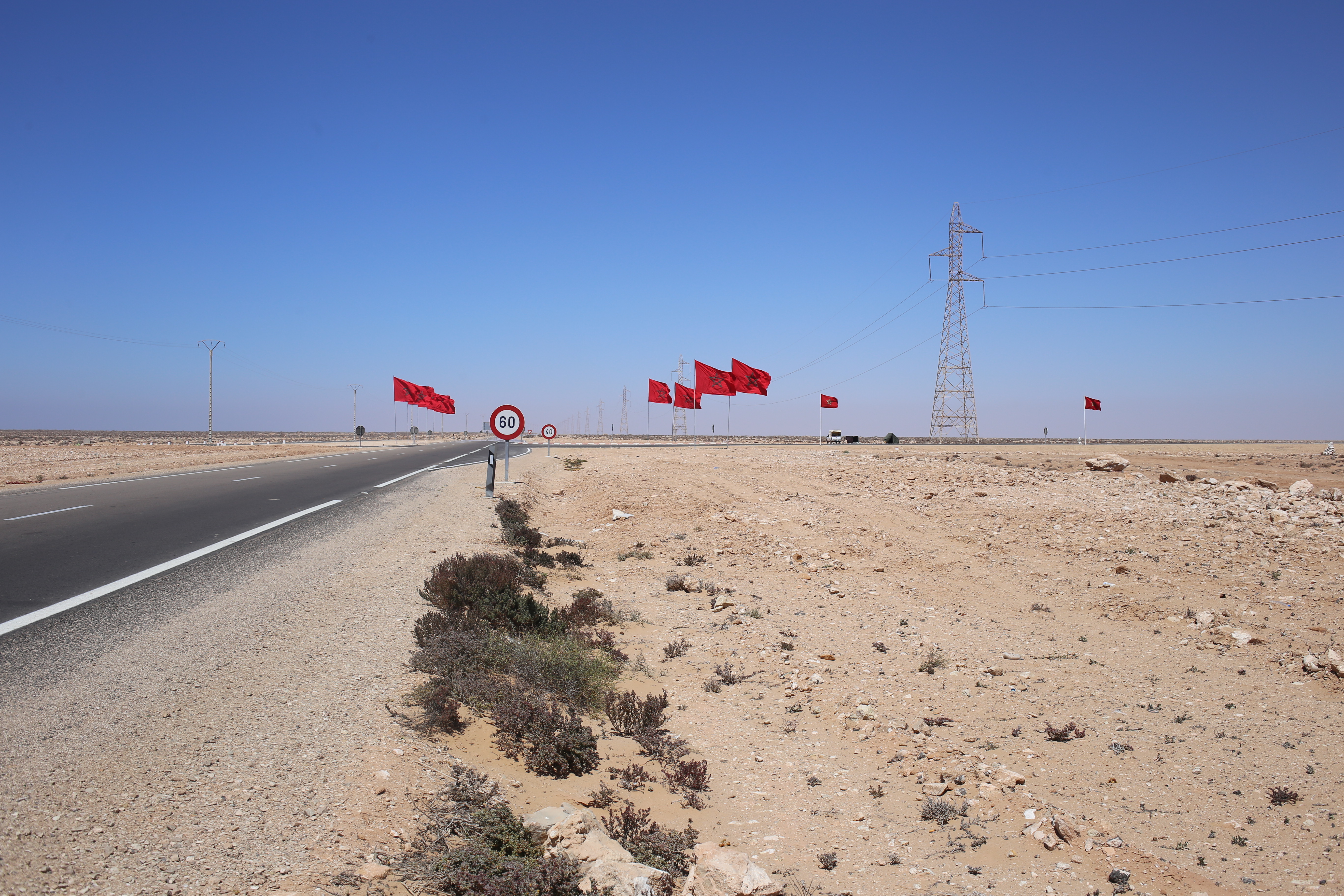
Moroccan budget: Four hydrogen projects in occupied Western Sahara
Morocco’s Finance Bill for 2027 reveals that four out of six planned green hydrogen projects are located in occupied Western Sahara.
Swedish hydrogen company embraces Morocco’s position on Western Sahara
S2H2+Bm has publicly welcomed Morocco’s annexation of Western Sahara, while refusing to clarify whether its planned green hydrogen investments will take place in the occupied territory.
Guterres reminds Morocco: Self-determination still stands
In one of his final statements as UN Secretary-General, António Guterres has made an unequivocal point: the end of MINURSO does not extinguish the inalienable right of the Saharawi people to self-determination. It is a reminder that Morocco cannot declare the Western Sahara question closed simply because the UN mission is leaving.
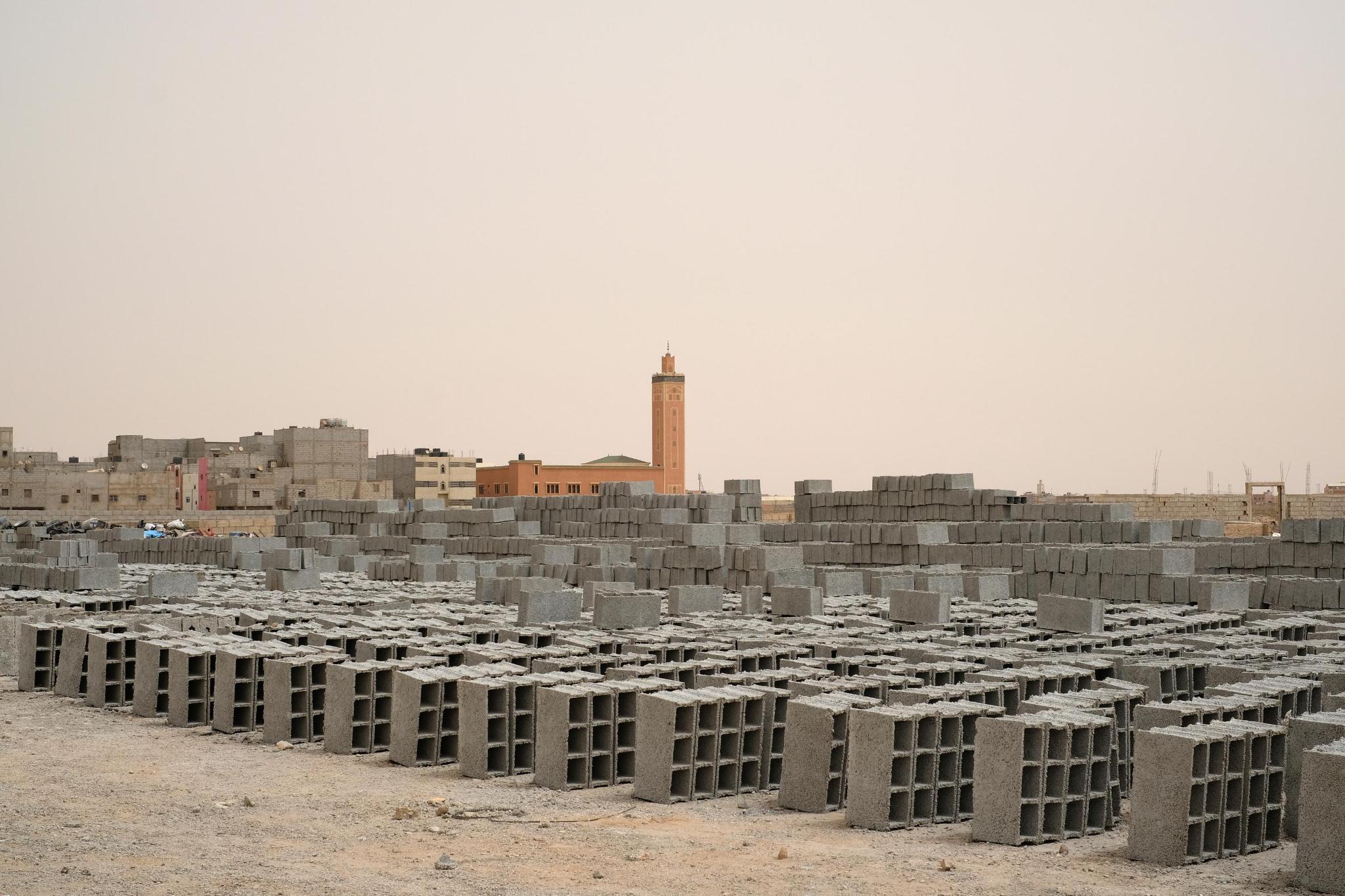
Morocco allocates vast tracts of occupied Western Sahara
Moroccan budget documents released in late October reveal that the kingdom allocated tens of thousands of hectares of land in occupied Western Sahara to investment projects.