Havoc inks oil deal with Saharawi government for Kosmos drill site
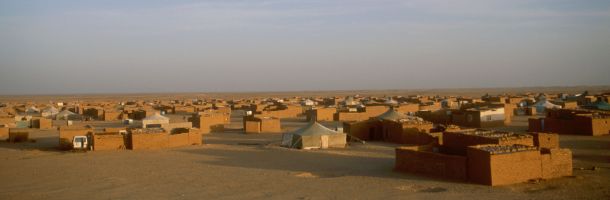
Australian investment fund Havoc Partners has signed a 50% operating stake in four oil blocks in occupied Western Sahara with the territory's government in exile. One of those blocks contains the Gargaa site, where American oil firm Kosmos Energy will soon start to drill in collaboration with the Moroccan government.
Published 17 December 2014
Through its subsidiary Calima Energy, Havoc Partners has acquired Ophir's 50% stake in four production sharing contracts for the Daora, Haouza, Mahbes and Mijek Blocks off the coast of Western Sahara. The oil firm Ophir had acquired its 50% stake in the Blocks back in 2006, together with the British firm Premier Oil which today still holds the other 50%.
The deal puts Kosmos Energy and Havoc Partners head to head. Both now hold an exploration licence for the site of the Gargaa well, that is contained in the Haouza Block. Kosmos holds the agreement with the occupying power Morocco, Havoc with the exile government. Komsos is keen to commence its drilling operations in Gargaa before the end of this year.
The founding partners of Havoc have been involved in Western Sahara for over 15 years. They were behind Fusion Oil & Gas when it signed a technical cooperation pact with the Saharawi Arab Democratic Republic (SADR). Shortly after leaving Fusion in 2003, they founded Ophir Energy plc. in 2004 but then left the firm in 2012. During this entire period the Havoc partners have developed a strong relationship with the SADR Government. The SADR, or Saharawi Arab Democratic Republic, is a member state of the African Union.
Large parts of Western Sahara have been occupied by Morocco since 1975. Morocco's self-proclaimed sovereignty over Western Sahara has been refuted by the International Court of Justice, and no State in the world recognises Morocco's unfounded claim. The United Nations treat Western Sahara as a case of unfinished decolonisation.
A 2002 UN Legal Opinion concluded that any oil exploration or development in the territory is contrary to international law if not in accordance with the wishes and the interests of the people of Western Sahara - the Saharawis. The Opinion was formulated at the request of the UN Security Council on the back of Morocco's licensing of oil exploration contracts in Western Sahara in 2001.
In spite of the crystal clear UN Opinion, Morocco has proceeded to sign oil deals with a multitude of firms from around the globe. WSRW is at present aware of seven oil reconaissance contracts that have been awarded by the Moroccan government for oil programs in the territory under its occupation.
The Saharawi government and people have repeatedly voiced their opposition to Morocco's oil plans in their occupied homeland. Faced with the UN's failure to act in the face of Morocco's actions, the Saharawi government kicked off its own oil program.
See also the new website of the SADR Petroleum & Mining Authority.
News
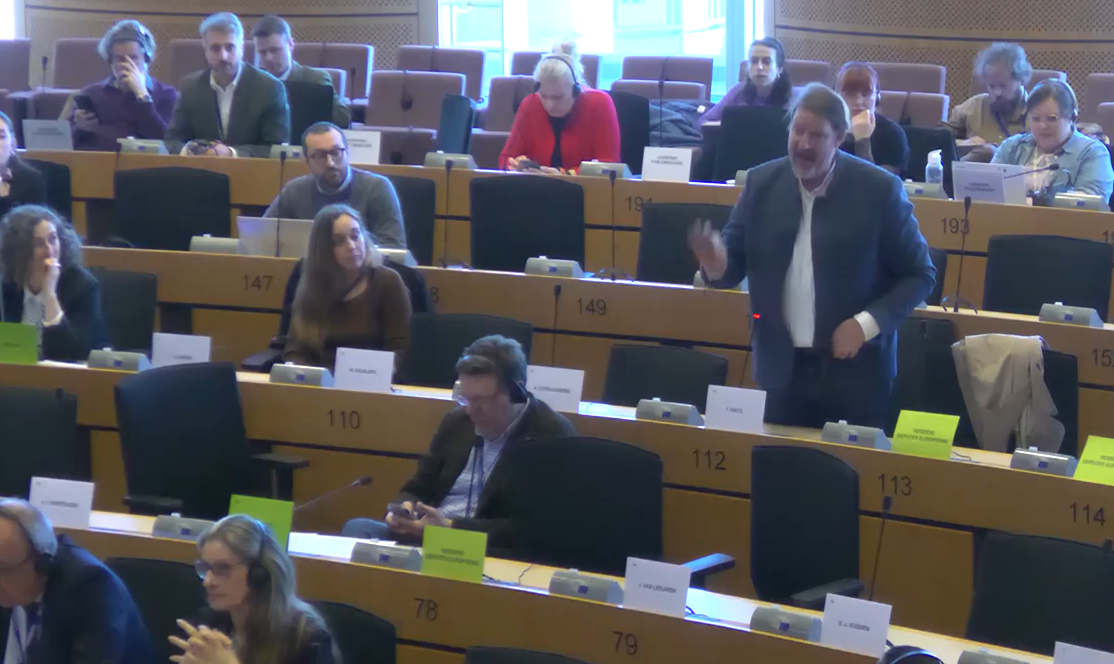
MEPs push back on Commission over Western Sahara in EU–Morocco trade
MEPs from across the political spectrum sharply criticised the European Commission over its handling of EU-Morocco trade relations covering occupied Western Sahara, raising concerns over legality, transparency and an apparent disregard for Parliament’s role.
19 March 2026
SRI update
The following overview enlists stock-exchange registered companies with current or recent operations in occupied Western Sahara. Updated 16 April 2026
15 March 2026
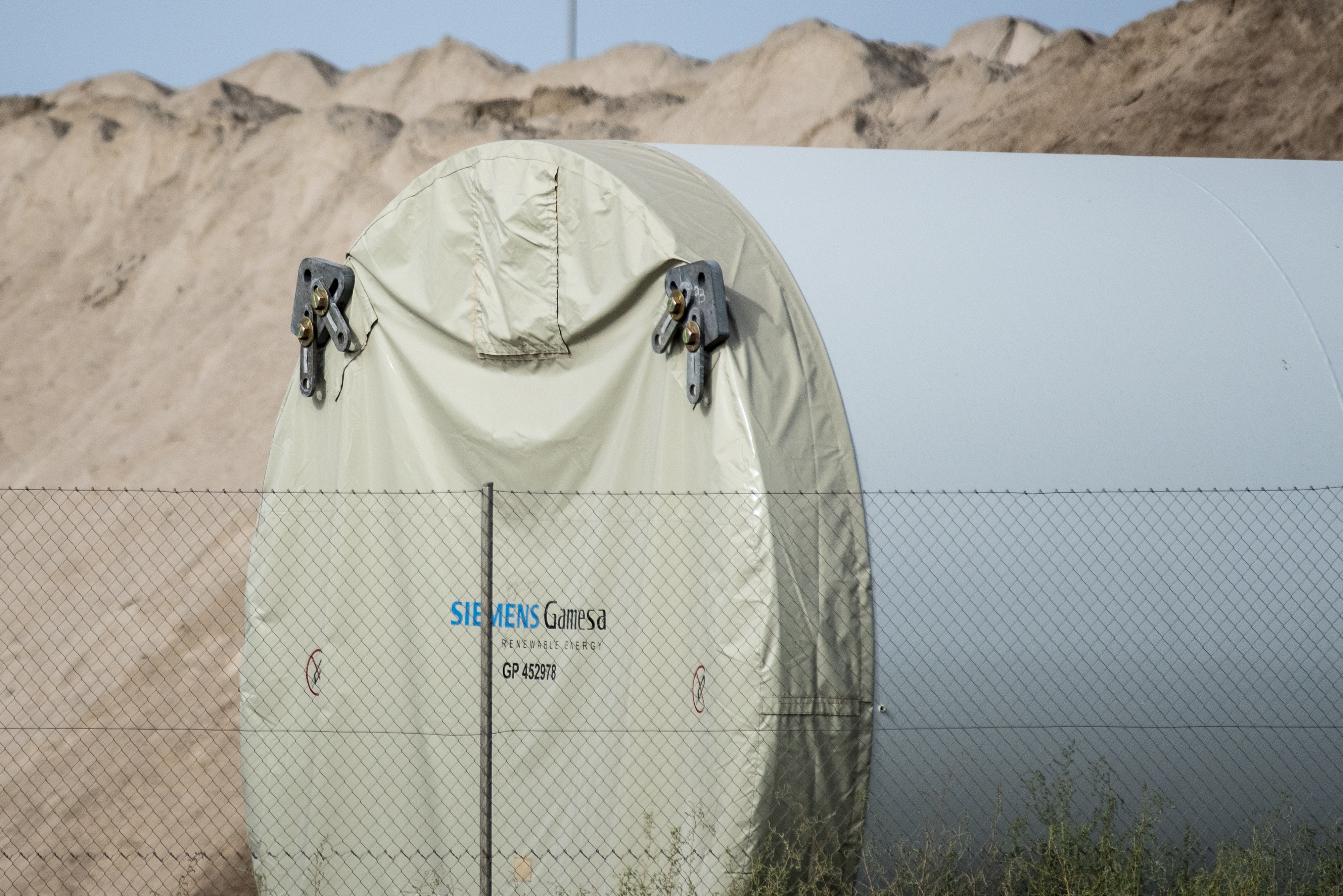
Siemens Energy sidesteps key questions on Western Sahara
At its 2026 Annual General Meeting, Siemens Energy defended its involvement in wind energy projects in occupied Western Sahara.
12 March 2026
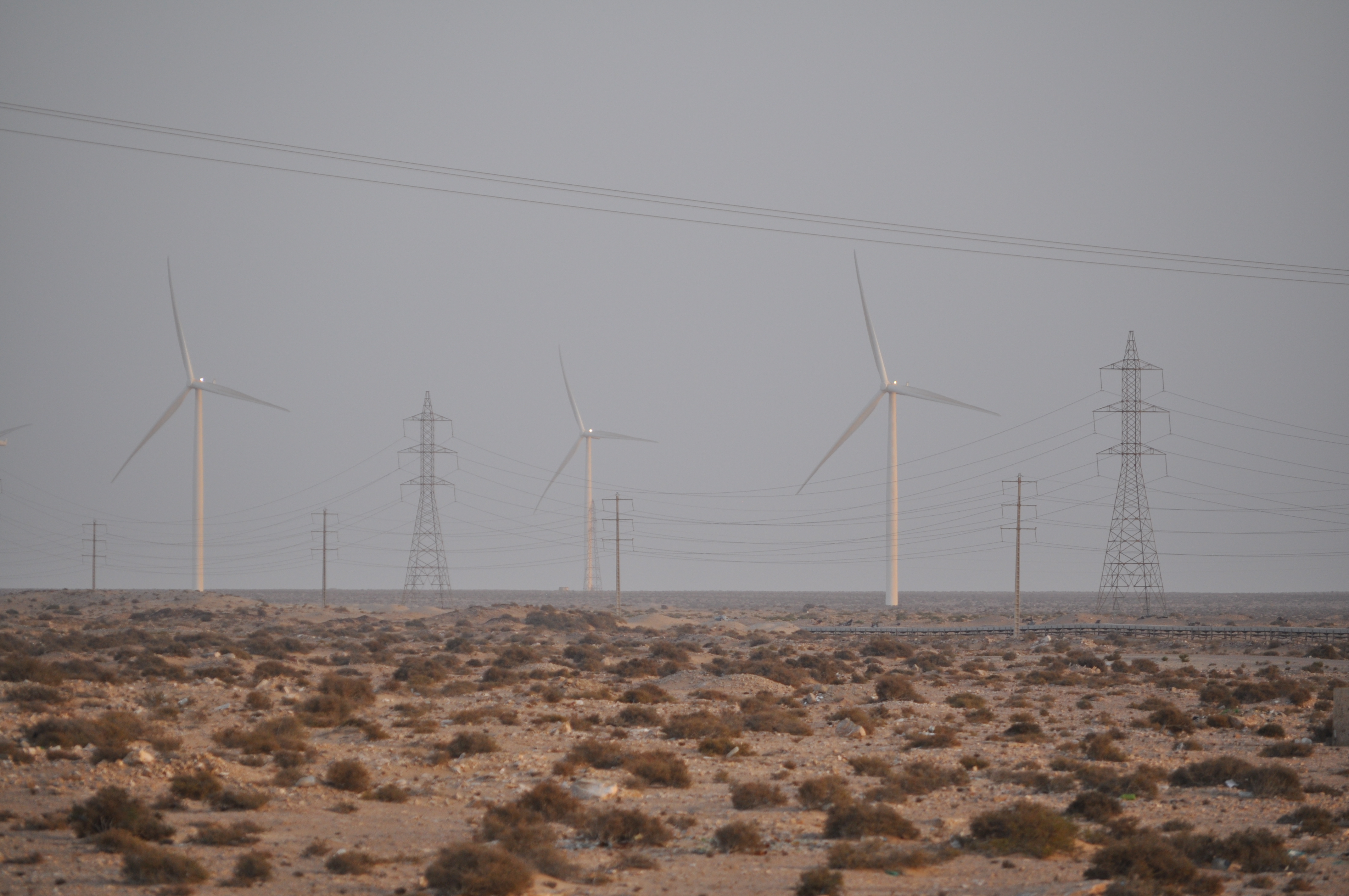
Morocco allocates land in occupied Western Sahara to green hydrogen investors
Morocco’s ambitions to become a global green hydrogen powerhouse are accelerating. Yet, Rabat is allocating land in a territory it does not legally own.
20 February 2026