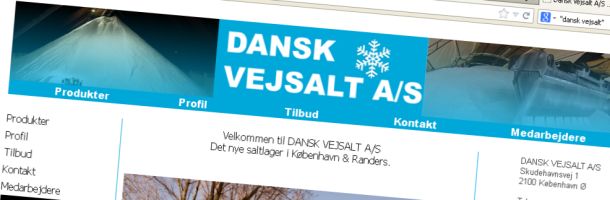
The municipality of Gladsaxe, Denmark, has terminated a supply contract for de-icing salt due to its connections to Western Sahara.
When the winters and snow hit the Danish roads, the municipalities need de-icing salt. The imports of salt from Western Sahara to Denmark has for a few years caused headlines in the country.
Now, the municipality of Gladsaxe has announced terminating a contract with the controversial supplier, Dansk Vejsalt A/S. The full text of the decision of the municipality of Gladsaxe can be found on the website of the muncipality, or downloaded (in Danish).
The decision is translated to English by Western Sahara Resource Watch:
"13 January 2016, the municipality of Gladsaxe has canceled the contract of road salt deliveries from the company Dansk Vejsalt A/S. The termination takes place on the basis of a request from the association Afrika Kontakt, in which they informed that Dansk Vejsalt A/S had delivered road salt from Western Sahara and that the named road salt had possibly ended up in the municipality of Gladsaxe. Based on that request, the procurement department asked for an explanation and documentation from Dansk Vejsalt A/S. Despite Dansk Vejsalt A/S having presented documentation that the road salt would have originated from the Moroccan part (slightly north of the border to Western Sahara), it was upon the signing of the agreement essential for the municipality of Gladsaxe that the road salt in no way was to be associated to Western Sahara. Therefore, an extra payment was introduced into the contract so that the road salt was to originate from Sardinia. Dansk Vejsalt A/S has during the entire period of the agreement expressed that the deliveries originated from Sardinia, and has at no point in time during the agreement period contacted the municipality of Gladsaxe to ask for permission to have the road salt delivered from anywhere else. This applies also to the transports themselves, which the municipality of Gladsaxe have not been notified about, which constitutes a prerequisite in the agreement. In that regards, it is clear from the documentation that the road salt for the municipality of Gladsaxe has been shipped out from a harbour in Western Sahara. Furthermore, it is the same Moroccan leadership which has given permission for exloitation of sea salt on both sides of the border (Morocco and Western Sahara). Both these aspects show that the connection to Western Sahara is maintained".
The municipality follows other similar decisions in Scandinavia. A Norwegian state owned engineering company in 2014 made a similar call.
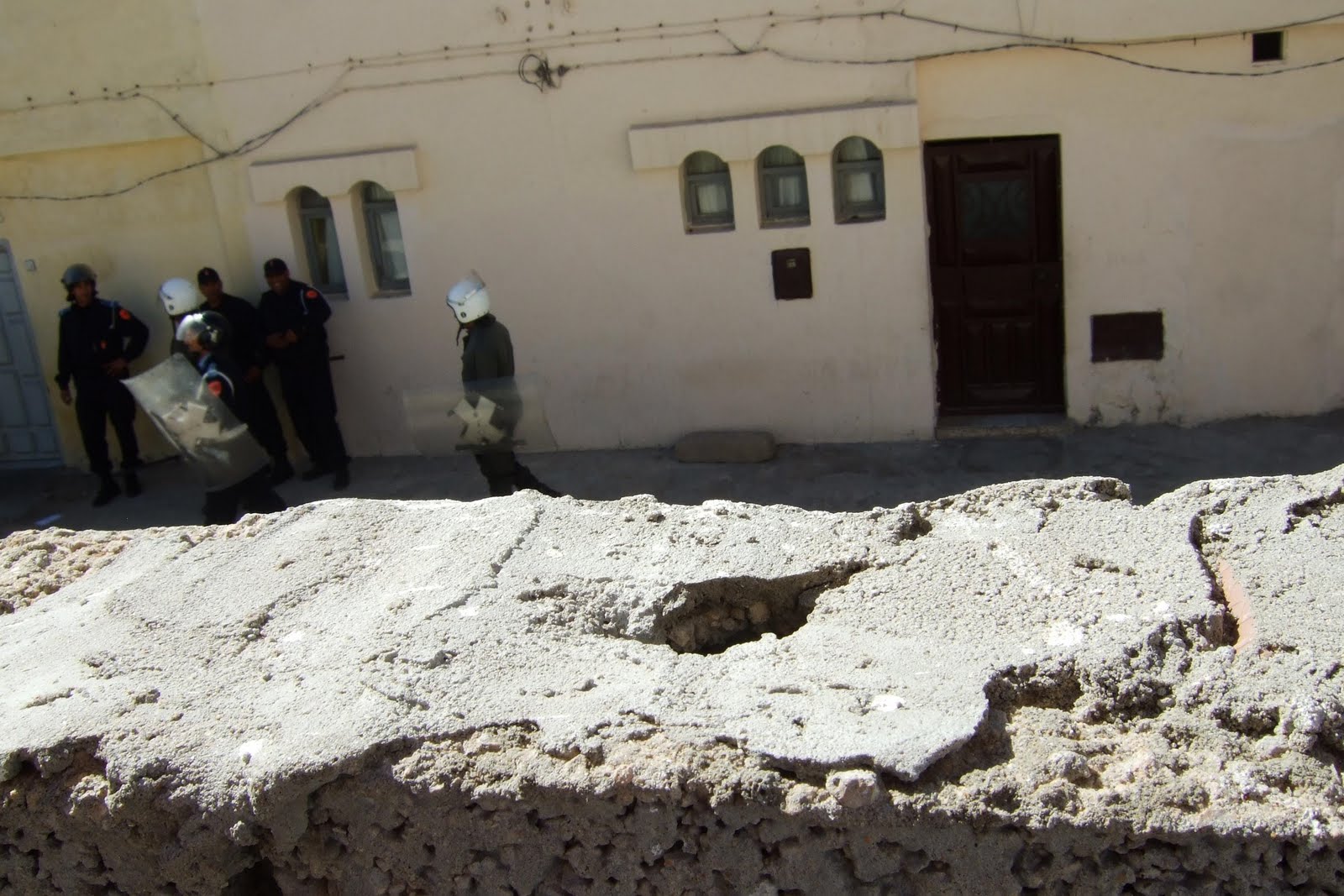
UN Security Council may endorse the occupation of Western Sahara
On the 30th of October, the UN Security Council may vote on a resolution on Western Sahara that sets aside the Saharawi people's right to self-determination, in violation of the UN Charter.
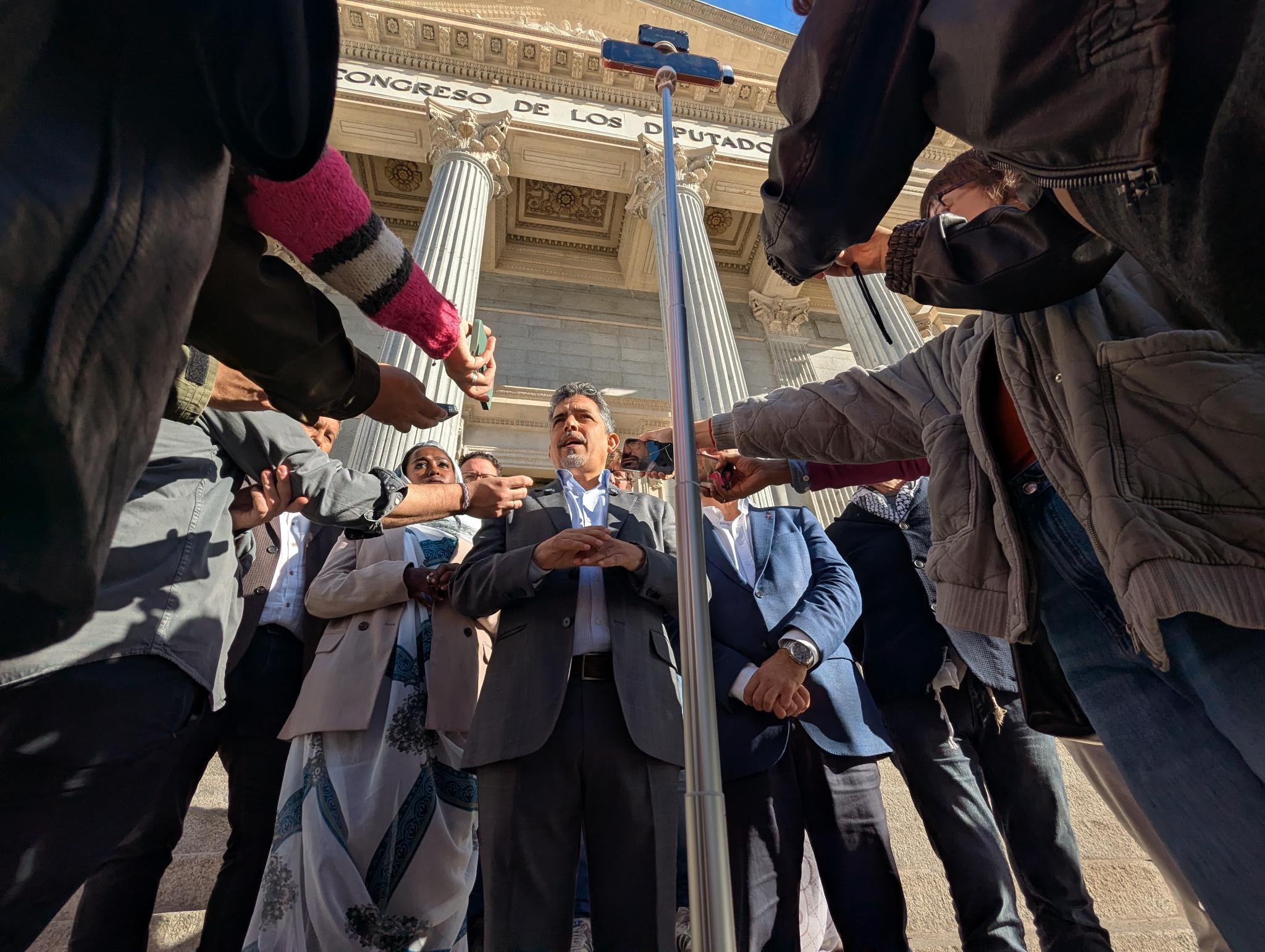
Polisario takes legal action to stop Ryanair
In a press conference in Madrid today, Polisario Front announced that the Western Sahara liberation movement is opening a legal case against the Spanish authorities for having issued a permit to Ryanair to fly to occupied Western Sahara.
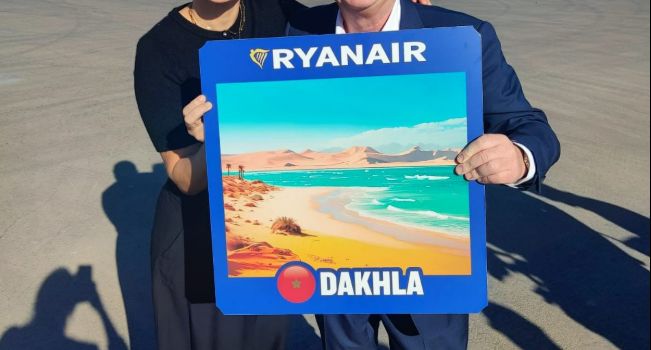
Irish ad watchdog: Ryanair misleading about flights to Western Sahara
In a preliminary decision, the Irish advertising watchdog says the airline’s ads are likely to mislead, as Dakhla is “not a part of Morocco”.
Gdeim Izik prisoners resume hunger strike
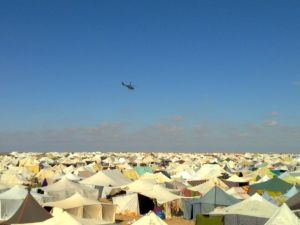
Saharawi political prisoners have resumed a hunger strike in Moroccan prisons, demanding their release, improved detention conditions and the implementation of UN decisions.