One of the leaders of the protest movement of unemployed Saharawis, who for months have been targeting their campaigns against Morocco's state owned phosphate company OCP, has died after allegedly being tortured by the Moroccan police.
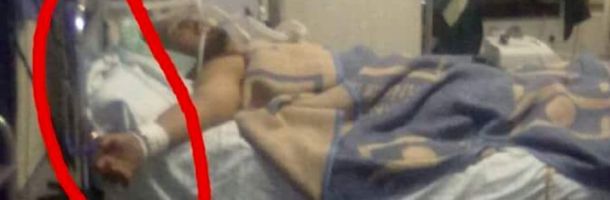
Photo above: Brahim Saika was handcuffed to his hospital bed while in coma. The picture was taken by Saika's family members who were allowed to see him only once, from behind glass, during the week Saika spent in hospital.
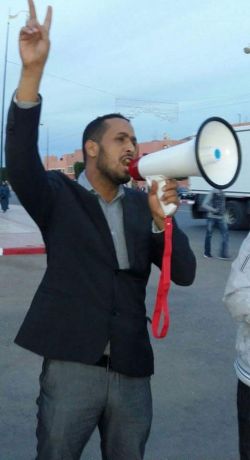
On 1 April, Brahim Saika was arrested near his home in Guelmim, a town with a large Saharawi population in the south of Morocco. Saika had just met with trade unionists and unemployed Saharawis. The arresting police officers cited Saika's involvement with protests in the city as the reason for taking him into custody. Saika was taken to the local police station where he is said to have been tortured severely for hours on end.
After his ordeal, Saika started a hunger strike in protest of the treatment he had been subjected to. Five days later, his health had significantly deteriorated and he was taken to the hospital of his hometown Guelmim, from where he was taken to the hospital in Agadir.
Brahim Saika spent several days in coma before he died on Friday, 15 April, in the hospital of Agadir, supposedly due to the health complications arising from police torture and his subsequent hunger strike.
The authorities do not agree to the family's demand of an autopsy to determine the cause of death. The doctors purportedly told Saika's family that he died following a rat bite.
Brahim Saika was a former political prisoner, who spent four years in jail for his political views. Recently, he had emerged as one of the leaders of the group of unemployed Saharawi graduates, who protest against discriminatory employment practices and the systematic marginalisation of Saharawis by the Moroccan state.
Protests rooted in social and economic grievances have been a regular scene in both occupied Western Sahara and in towns in the south of Morocco which have a large Saharawi population.
Particularly in Western Sahara, the protests have intensified over the last 6 months, following an announcement by Morocco's state owned phosphate company OCP that it would hire 500 people in the area. However, it quickly became apparent that these vacancies were not accesible to Saharawis as the qualification criteria were too high. Saharawis today live as a marginalized minority in their own land and often cannot afford higher education that is only available in Morocco. During the 40 years occupation, Morocco has not established a single university in Western Sahara.
Without exception, the demonstrations of the Saharawi graduates are met with violence on the part of the Moroccan security forces.
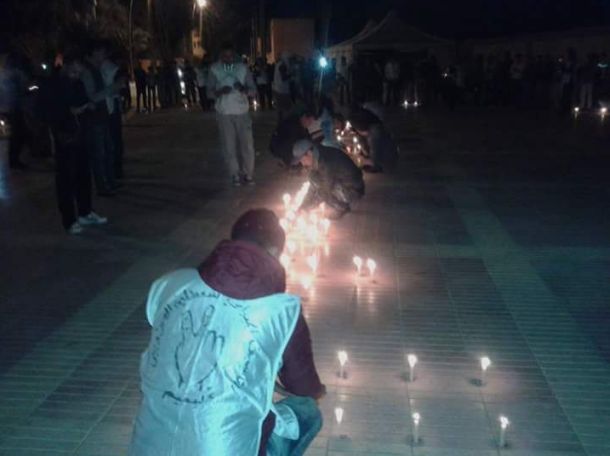
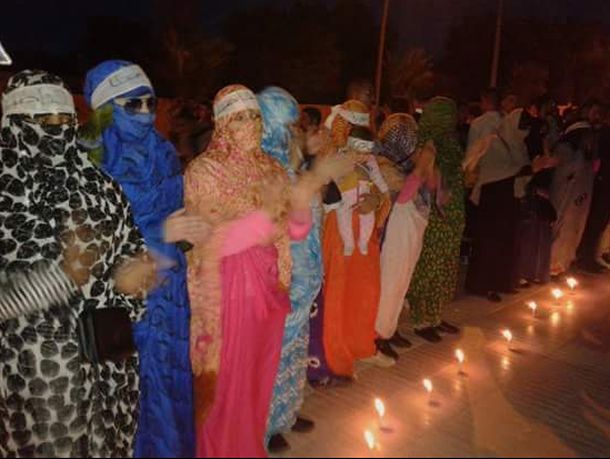
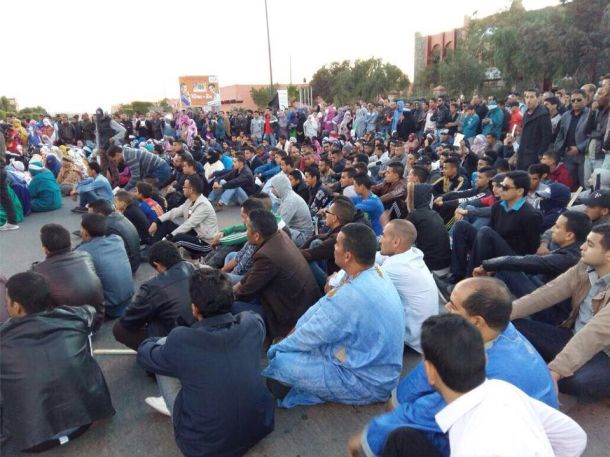
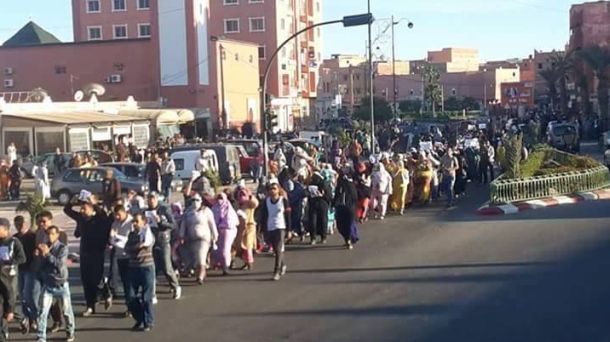
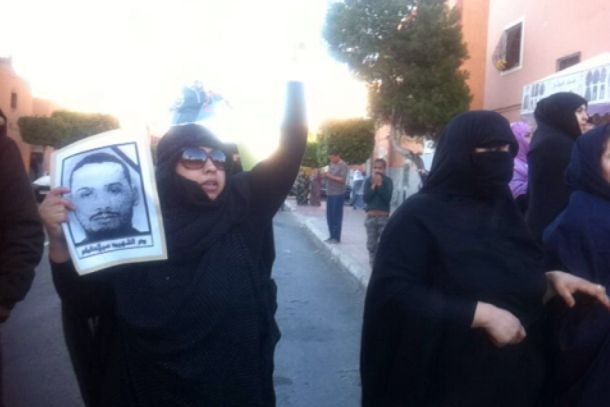
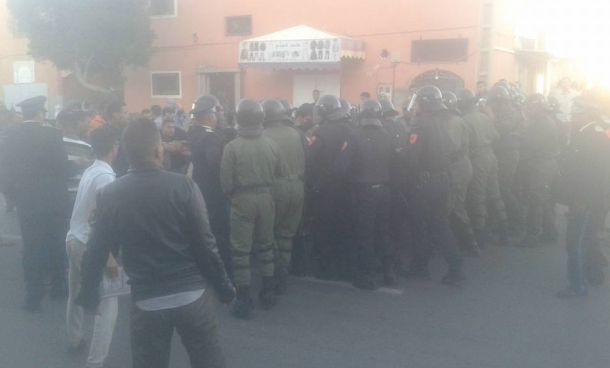
Saika's death resulted in mass protests in Guelmim, which also prompted police intervention. See photos below.
Gdeim Izik prisoners resume hunger strike
Saharawi political prisoners have resumed a hunger strike in Moroccan prisons, demanding their release, improved detention conditions and the implementation of UN decisions.
SRI update
The following overview enlists stock-exchange registered companies with current or recent operations in occupied Western Sahara. Updated 28 September 2026.
Another company of the Moroccan king involved in occupied Western Sahara
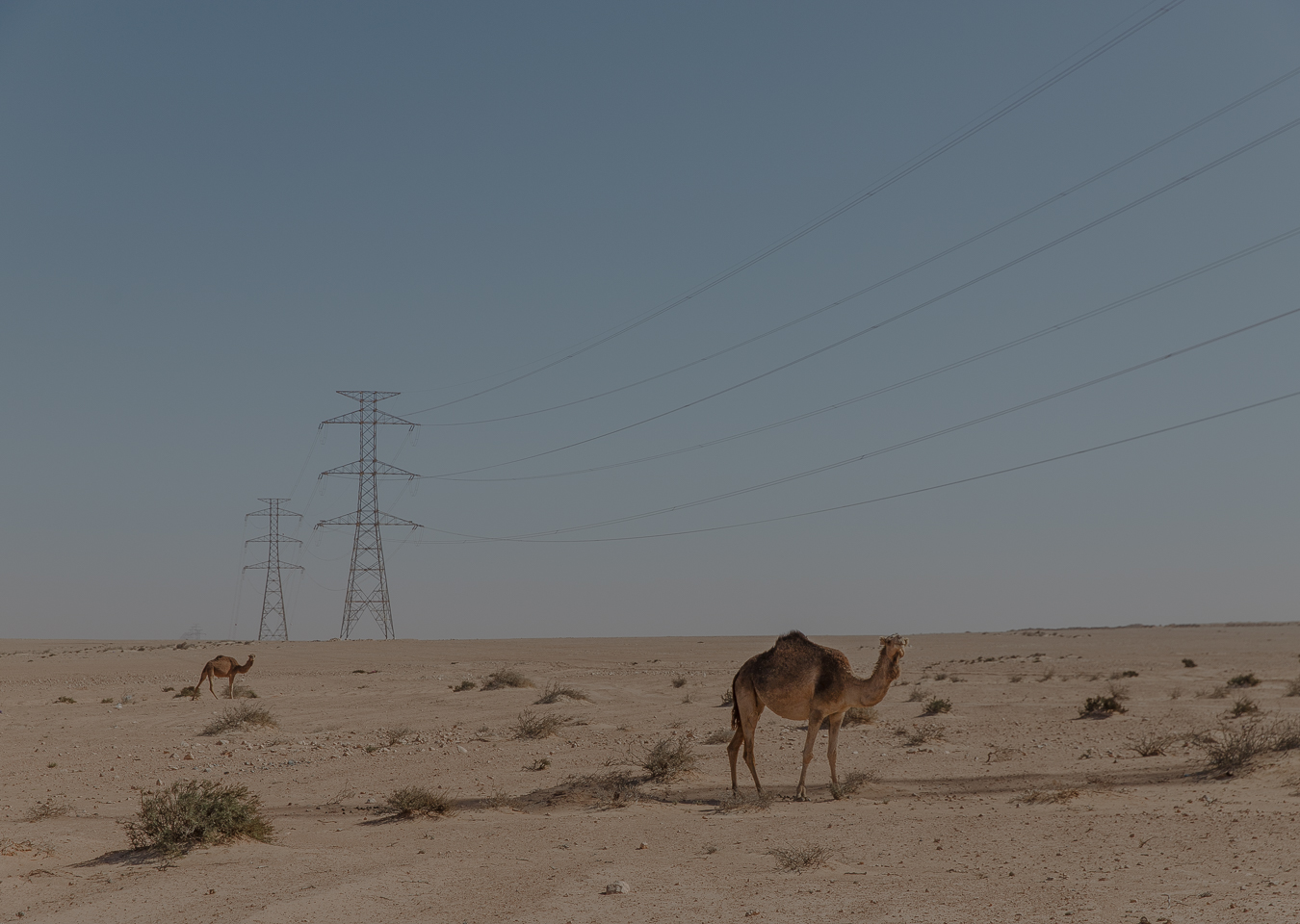
A company closely linked to Morocco’s royal business network has entered a new project in occupied Western Sahara, partnering with a Chinese state-owned electricity giant on high-voltage infrastructure in Boujdour.
Don't let resource exploitation decide Western Sahara's future
Western Sahara Resource Watch calls on the UN to address the accelerating exploitation of the territory’s natural resources - and prevent it from becoming an even greater obstacle to self-determination.