WSRW concerned: Vigeo Eiris greenwashes dirty energy on occupied land
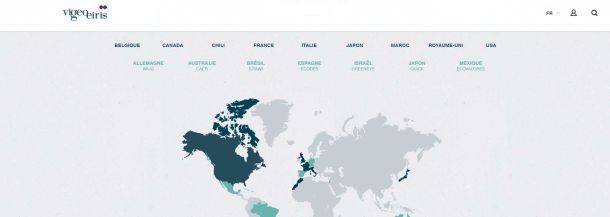
International investors have shied away from funding Morocco's dirty 'green' energy in occupied Western Sahara. But a Moroccan subsidiary of the French-UK firm Vigeo Eiris has stepped in to certify the bonds which will secure the necessary financing.
Published 23 December 2016
Vigeo Eiris, a French-UK consultancy firm, in a letter to Western Sahara Resource Watch explains that Morocco's approach to Western Sahara is credible, and presents maps on its website that the territory is part of Morocco.
On 7 November it was known that the Moroccan subsidary of Vigeo Eiris had certified so-called green bonds for the Moroccan Agency for Solar Energy (MASEN) for Moroccan solar projects that will be built on two locations in Western Sahara.
The irony is that the linked Eiris Foundation is running a project on mapping controversial investments in occupied Crimea and Palestine. On that basis, Western Sahara Resource Watch (WSRW) sent a first letter to Vigeo Eiris on 18 November 2016 requesting whether the information could be true that a Moroccan subsidiary of Vigeo Eiris indeed was certifying something that apparently is against the same principles that it advocates for elsewhere.
Vigeo Eiris responded on 19 December. Vigeo Eiris surprisingly noted that it could be seen as an political statement to not take on an assignment in Western Sahara. Today, WSRW sent Vigeo Eiris a follow-up letter with questions regarding the contract, its policies and its interpretation of international law applicable to Western Sahara.
In its letter, WSRW demanded Vigeo Eiris to cancel the certification, based on the principles outlined and decided in the judgment of the Court of Justice of the EU.
Vigeo Eiris is a recently merged company between Eiris in the UK and Vigeo in France. The latter is large on the Moroccan market, with a subsidary there. Erroneous maps of Western Sahara appear both on previous website and on its new website which was launched this month.
21 December 2016 the Court of Justice of the EU judged that EU-Morocco trade relations could not apply to the territory of Western Sahara, which is a separate territory from Morocco. The issue of Western Sahara has for many years been a hot issue in the EU institutions, where UK has insisted on respect for international law, while France has pushed for its own political interests and alliances with Morocco. The Court looked away from the political arguments, and instructed on the respect for law.
WSRW on 2 November published the report Powering the Plunder, about Morocco's highly problematic energy programmes in the occupied territory. Morocco is basically making itself dependent on green energy production on the land it holds under occupation. By 2020, more than a quarter of all the green energy produced by Morocco, will originate from outside of its internationally recognised borders.
WSRW wrote that Saharawis who wanted to attend a public hearing on the now Vigeo-Eiris-certified project in November were kicked out by the Moroccan police.
News
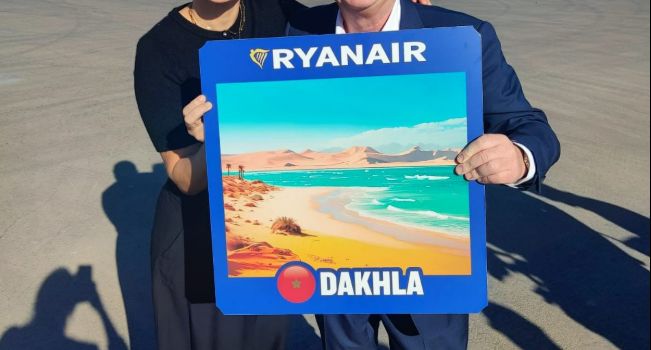
Irish ad watchdog: Ryanair misleading about flights to Western Sahara
In a preliminary decision, the Irish advertising watchdog says the airline’s ads are likely to mislead, as Dakhla is “not a part of Morocco”.
16 October 2026
Gdeim Izik prisoners resume hunger strike
Saharawi political prisoners have resumed a hunger strike in Moroccan prisons, demanding their release, improved detention conditions and the implementation of UN decisions.
06 October 2026
SRI update
The following overview enlists stock-exchange registered companies with current or recent operations in occupied Western Sahara. Updated 28 September 2026.
28 September 2026
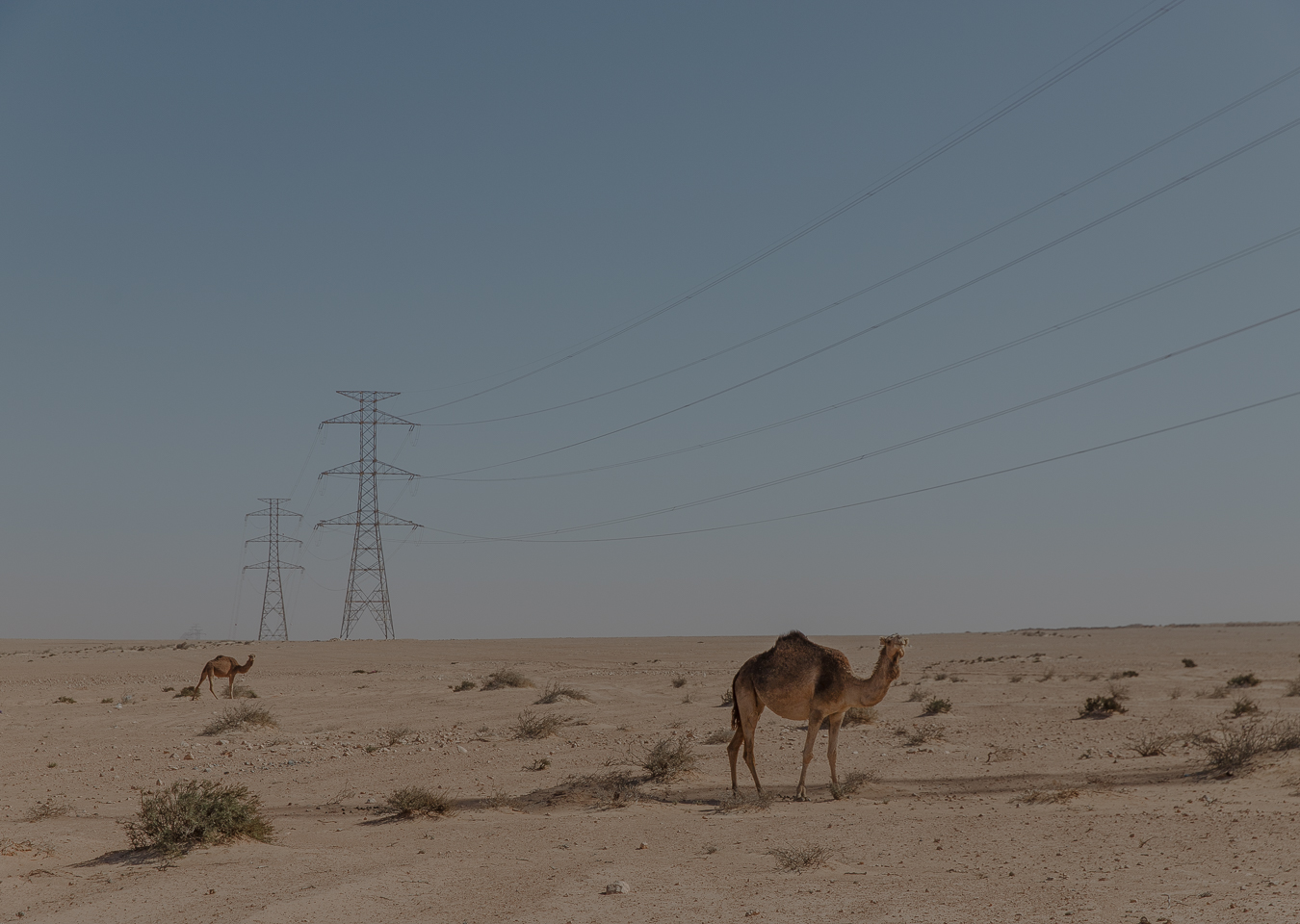
Another company of the Moroccan king involved in occupied Western Sahara
A company closely linked to Morocco’s royal business network has entered a new project in occupied Western Sahara, partnering with a Chinese state-owned electricity giant on high-voltage infrastructure in Boujdour.
10 September 2026