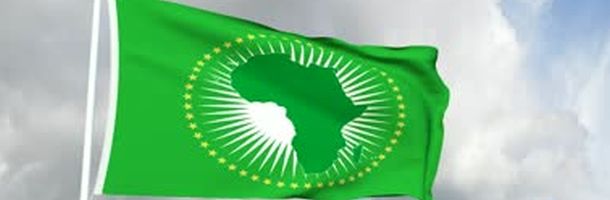
The Peace and Security Council of the African Union this week asked its new member, Morocco, to not carry out further exploration and exploitation of the natural resources in Western Sahara.
A meeting in the Peace and Security Council of the African Union (AU) on 20 March 2017 addressed the issue of Western Sahara. The council stated its preoccupation over the situation in the territory. Morocco, since this year a member of the union, failed to show up at the meeting.
The PSC issued a thorough statement of the resolution on the conflict.
The council refers to the judgment of the Court of Justice of the EU, calling the decision "important", and requests Morocco to halt further exploitation of the territory:
"Stresses the urgent need to address the issue of the illegal exploration and exploitation of the Territory’s natural resources, bearing in mind the call made in the UN Secretary-General’s report of 10 April 2014, for all relevant actors, in the light of the increased interest in the natural resources of Western Sahara, to “recognize the principle that the interests of the inhabitants of these territories are paramount”, in accordance with Chapter XI, Article 73 of the Charter”, as well as in line with the many legal opinions and judgments issued by international and regional Organizations on the issue. In this respect, Council urges the Kingdom of Morocco not to enter into contracts for the exploration and exploitation of Western Sahara’s natural resources"
The PSC statement can also be downloaded here.
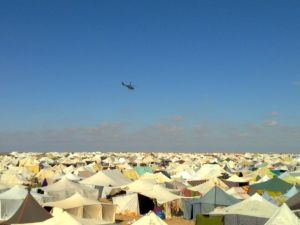
Gdeim Izik prisoners resume hunger strike
Saharawi political prisoners have resumed a hunger strike in Moroccan prisons, demanding their release, improved detention conditions and the implementation of UN decisions.
SRI update
The following overview enlists stock-exchange registered companies with current or recent operations in occupied Western Sahara. Updated 28 September 2026.
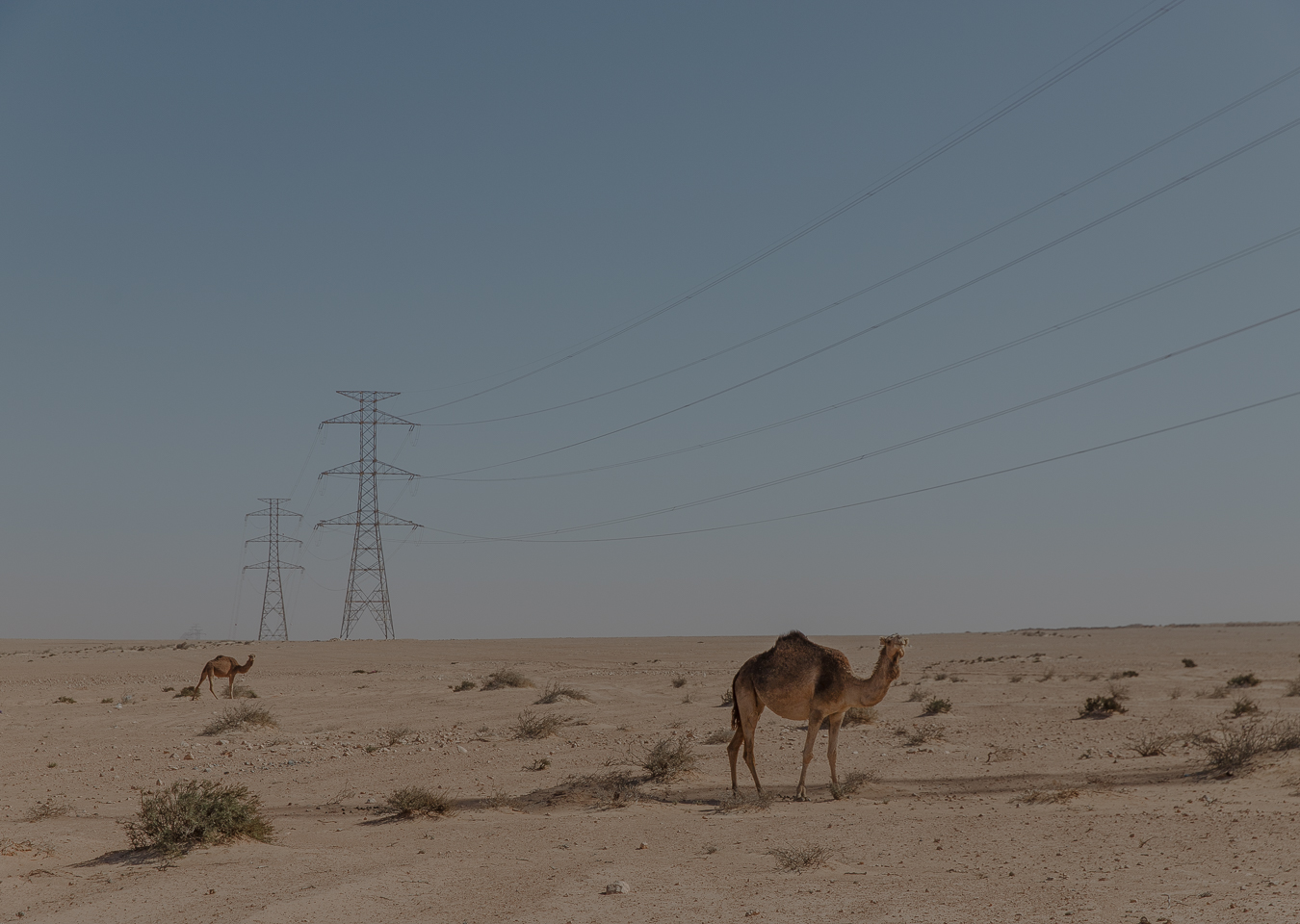
Another company of the Moroccan king involved in occupied Western Sahara
A company closely linked to Morocco’s royal business network has entered a new project in occupied Western Sahara, partnering with a Chinese state-owned electricity giant on high-voltage infrastructure in Boujdour.

Don't let resource exploitation decide Western Sahara's future
Western Sahara Resource Watch calls on the UN to address the accelerating exploitation of the territory’s natural resources - and prevent it from becoming an even greater obstacle to self-determination.