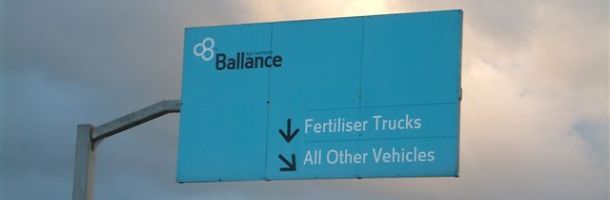
The company which hardly ever responds to concerns over their imports of conflict phosphates from occupied Western Sahara has now started talking.
The New Zealand fertiliser producer Ballance Agri-Nutrients has admitted to media in the country that the cargo which has been detained in South Africa this week is for them.
CEO Mark Wynne told Radio NZ on 4 May that the single shipment constituted a quarter of its annual imports for the year. He said his gut feeling is that the issue of the detained vessel will not be resolved immediately, but that it might take a number of weeks.
WSRW contacted Ballance Agri-Nutrients in 2014, 2015, 2016, 2017, and never received answer to our questions from the company.
In 2015, as New Zealand TV did a piece on the imports, Ballance refused to comment. Instead, shortly after the New Zealand media coverage, Ballance posted an update to its shareholders.
In it, the company stated that it had "received advice that OCP’s operations in Western Sahara meet the requirements of international law, in particular the relevant Resolutions of the Security Council and the General Assembly of the United Nations that the trade in resources is done in a manner consistent with the needs, interests and wishes of the local people."
The statement is peculiar:
- Neither the Security Council nor the General Assembly have passed resolutions on trade with resources from Western Sahara in particular. What the General Assembly has done, however, is to generally pass resolutions on the plunder of colonies, and it has asked Morocco to terminate the occupation.
- Ballance has not provided information about the authors of the advice of OCP's operation. The WSRW report P for Plunder 2016 mentions a Saharawi refugee who has contacted OCP 19 times to get copies of these opinions that is allegedly showing that her people benefit and wish the trade to take place. She never got an answer.
- Ballance claims to operate in line with the wishes of the local people. However, Ballance systematically refuses to answer questions on what it has done to seek that consent. The issue of consent of the representatives of the people is the corner stone of the judgment of the Court of Justice of the EU in 21 December 2016, which stopped the inclusion of Western Sahara goods in the EU-Morocco trade deals. All WSRW's letters on this topic remain unanswered.
In Ballance's annual report from 2007, the company states to be "extremely proud" of the relationship with OCP. Institutional shareholders, pension funds and sovereign wealth funds from all over the world have blacklisted OCP and other importers for not respecting basic international law.
"Morocco is our largest supplier", Mr Wynne told Radio NZ today. It is not clear to WSRW whether this is correct. From what WSRW understands, Ballance does not get any phosphates from Morocco itself Mr. Wynne also states "it is possible" to get the phosphates from somewhere else, under certain preconditions.
Mr. Wynne is referred to by Stuff.nz as having stated that it had imported more than 100 shipments "without a problem".
"If it has only communicated only with the occupying power, of course Ballance sees no problem. Through decades of imports, Ballance has been one of the biggest funders in the world of the Moroccan illegal occupation of the territory. Leading opposition to the trade are serving life-time in jail, while the owners are malourished from not receiving enough humanitarian aid. Is that not a problem? Why does Ballance refuse to talk with the owners of the phosphates?", stated Erik Hagen of Western Sahara Resource Watch.
SRI update
The following overview enlists stock-exchange registered companies with current or recent operations in occupied Western Sahara. Updated 28 September 2026.
Another company of the Moroccan king involved in occupied Western Sahara
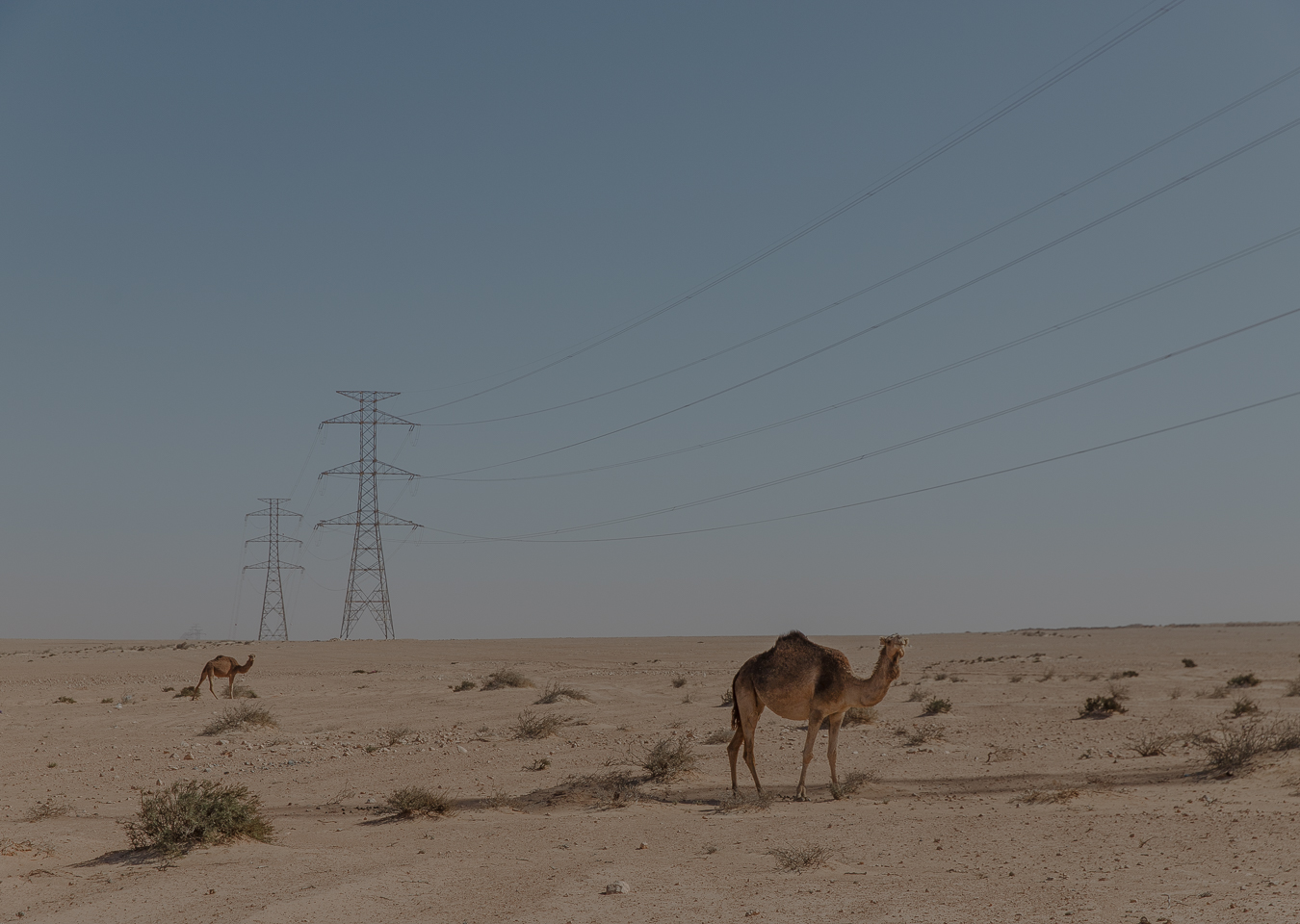
A company closely linked to Morocco’s royal business network has entered a new project in occupied Western Sahara, partnering with a Chinese state-owned electricity giant on high-voltage infrastructure in Boujdour.
Don't let resource exploitation decide Western Sahara's future
Western Sahara Resource Watch calls on the UN to address the accelerating exploitation of the territory’s natural resources - and prevent it from becoming an even greater obstacle to self-determination.
Occupied Western Sahara wind complex expands into Africa's top three
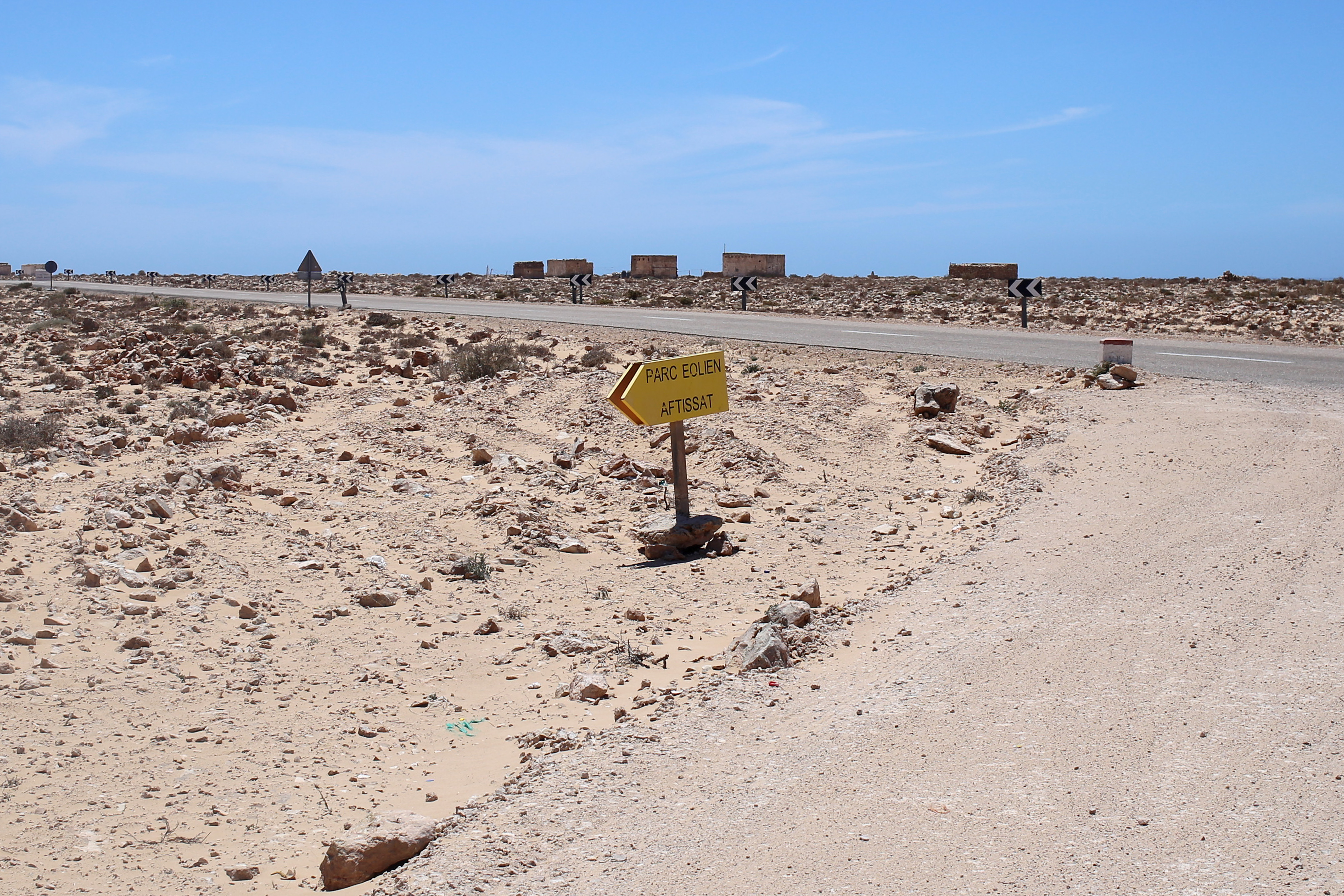
The Moroccan king’s energy company appears to have completed two new phases of the Aftissat wind power complex in occupied Western Sahara.