In a joint statement today, Brussels and Rabat declare that the EU will help Morocco's fisheries sector, a business that primarily takes place in occupied Western Sahara.
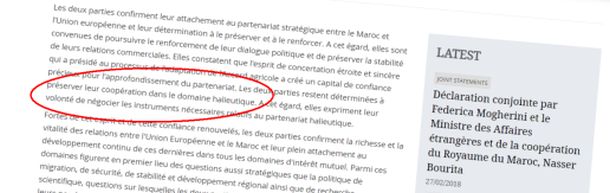
On 27 February 2018 at 14:44, the EU and Morocco published a joint statement that the two parties will "stay committed to preserve the cooperation in the fisheries sector".
The statement was made only 4,5 hours after the Court of Justice of the EU found the EU-Morocco fisheries agreement to be invalid insofar as it is applied in occupied Western Sahara. The EU has stated to the Court that under the current EU-Morocco fisheries agreement, 91,5 percent of the catches take place in Western Sahara.
The announcement was signed by the High Representative of the Union for Foreign Affairs, Federica Mogherini, and her Moroccan counterpart, the Minister of foreign affairs of Morocco, Nasser Bourita.
"Developing Morocco's fisheries sector is good news for Moroccan fishermen. We expect, however, that the upcoming programme will be fundamentally different from its predecessors, and will only cover the Moroccan waters and coastline, and not Western Sahara. It would be unfortunate for Western Sahara, the UN-led peace process and the EU itself if the Commission fails to respect the judgment of the Court", commented Sara Eyckmans of Western Sahara Resource Watch regarding the Mogherini statement.
"Morocco will never cooperate with the UN to find a solution to the conflict as long as the EU interferes favourably to Morocco, and funds the occupation", Eyckmans commented.
From what WSRW understands, the Fisheries Committee of the European Parliament will discuss the CJEU's ruling of today, including its consequences, on 21-22 March .
"WSRW calls for halting all EU-Morocco negotiations regarding Western Sahara that have not received approval by the representatives of the people of Western Sahara. We thus expect that the plan announced today regarding a continued fisheries partnership will only be applicable to Morocco, and not to Western Sahara", Eyckmans stated.
The lion's share of EU support to Moroccan fisheries have so far been allocated to Moroccan projects under illegal occupation.
The fisheries practices originate in the autumn of 1975, when the Franco regime allowed Western Sahara to be occupied, in return for fishing licences.
Today's statement by Mogherini and Bourita also refers to the "close and sincere cooperation in the process of the adaptation of the agricultural agreement" (WSRW's translation). The EU and Morocco on 31 January finished the negotiations for a new trade agreement, without having taken into account the consent of the people of the territory. By doing that, the EU has violated the principle set out by the Court of Justice in an earlier judgment on 21 December 2016. Polisario has already given notice that if the EU concludes new agreements with Morocco covering the territory of Western Sahara, new court cases will be initiated.
Polisario today stated that it is open to enter into talks with the EU on fisheries and trade issues.
SRI update
The following overview enlists stock-exchange registered companies with current or recent operations in occupied Western Sahara. Updated 28 September 2026.
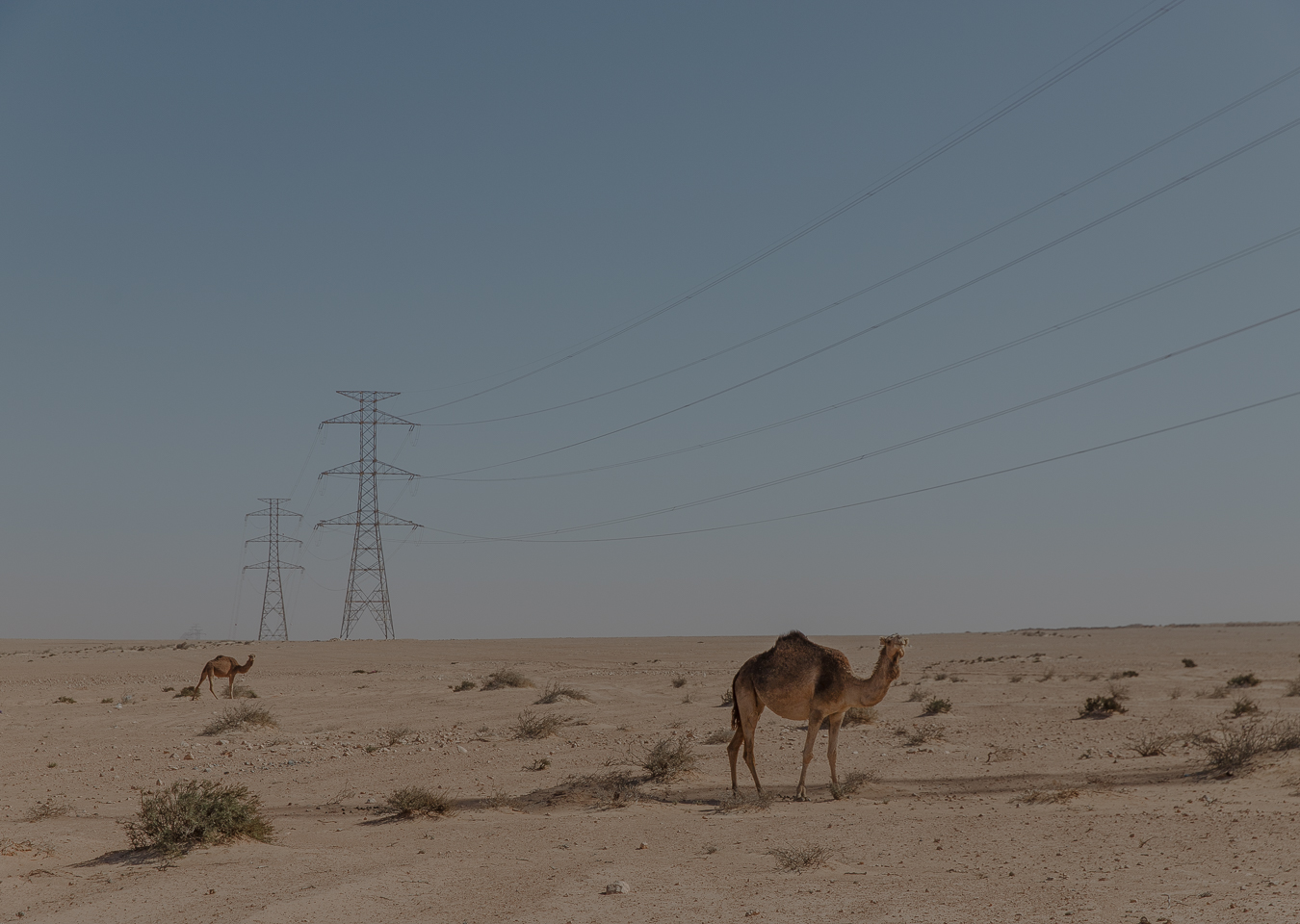
Another company of the Moroccan king involved in occupied Western Sahara
A company closely linked to Morocco’s royal business network has entered a new project in occupied Western Sahara, partnering with a Chinese state-owned electricity giant on high-voltage infrastructure in Boujdour.
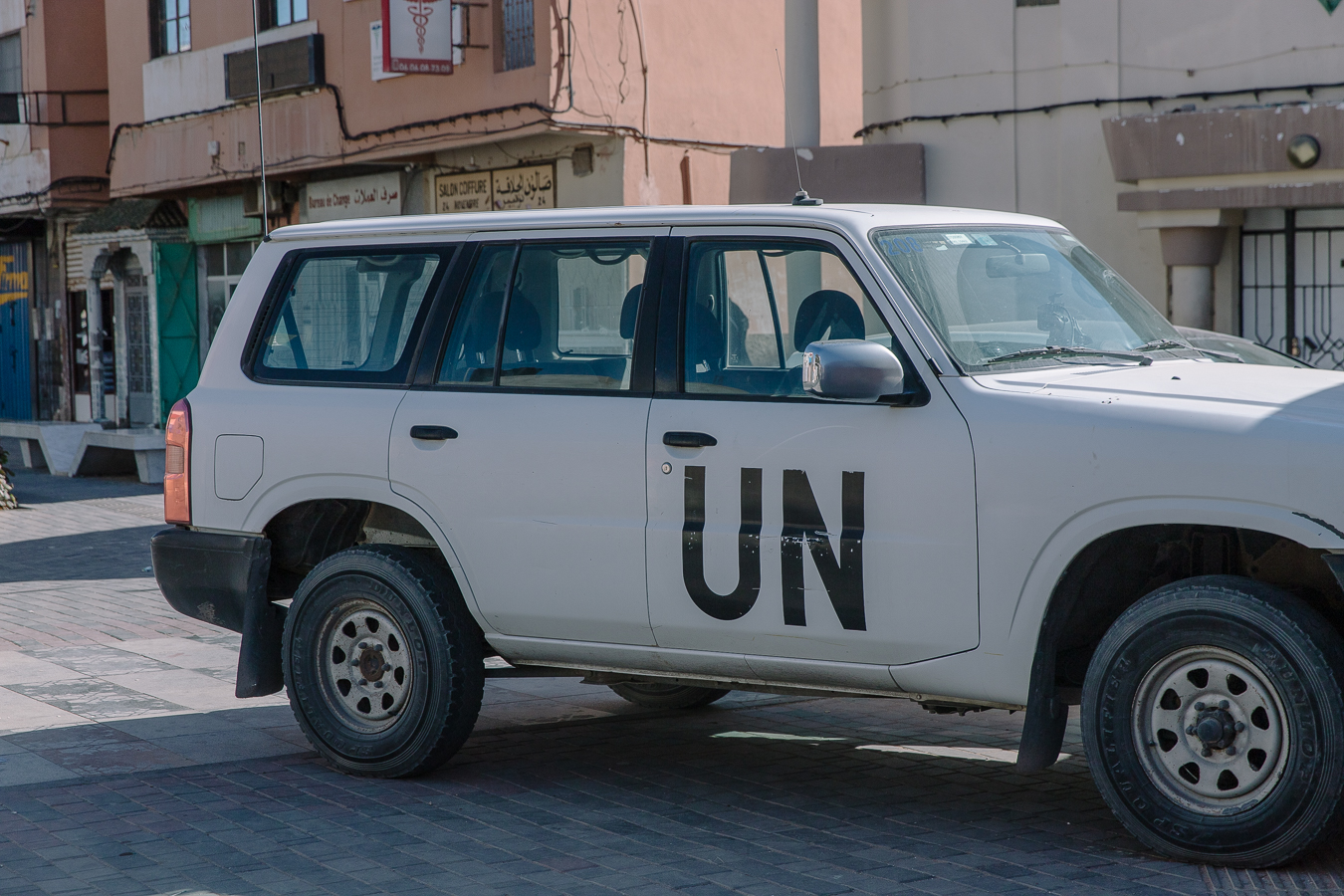
Don't let resource exploitation decide Western Sahara's future
Western Sahara Resource Watch calls on the UN to address the accelerating exploitation of the territory’s natural resources - and prevent it from becoming an even greater obstacle to self-determination.
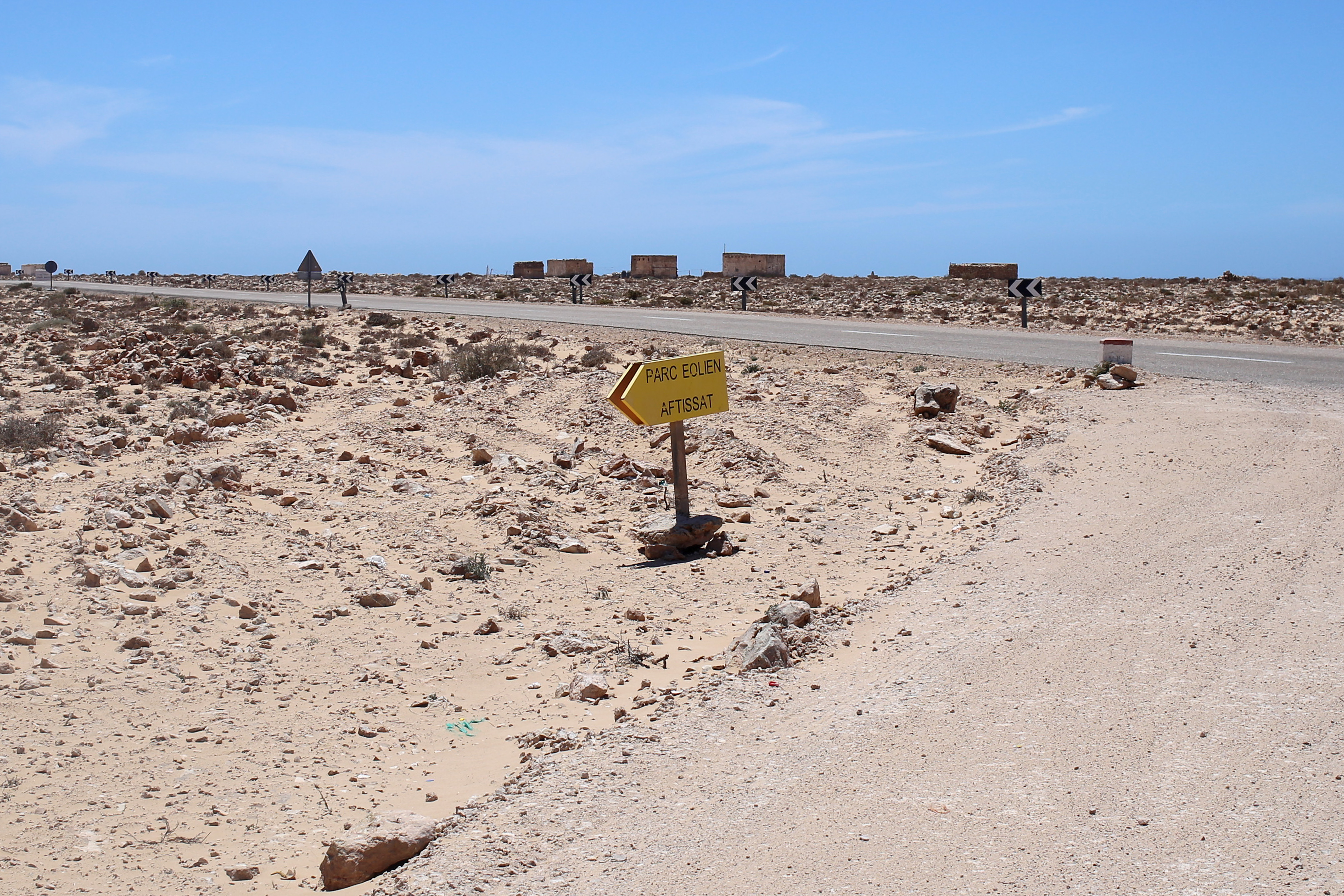
Occupied Western Sahara wind complex expands into Africa's top three
The Moroccan king’s energy company appears to have completed two new phases of the Aftissat wind power complex in occupied Western Sahara.