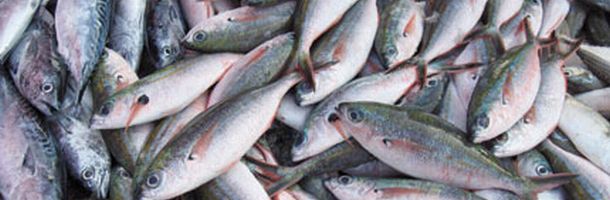
€84 million in return for fishing licenses - is what Rabat threw on the table in the EU-Morocco negotiations for a new Fisheries Protocol. Earlier this year, the EU Court of Justice invalidated the application of the EU-Morocco fish arrangement to Western Sahara - where 91.5% of the EU's fishing activities under the deal take place.
According to Moroccan media, the Moroccan government is upping the ante in the current negotiations between Rabat and Brussels to reach a new Fisheries Protocol. Morocco now demands 800 million Moroccan Dirham - or €84 million - in exchange for fishing licences for EU vessels.
Under the current protocol, which expires in two weeks, Morocco receives around €40 million annually. Out of that amount, €30 million is paid by the EU, while the remaining €10 million is coughed up by the European fish sector.
The EU paid Morocco an annual €36 million under the previous Protocol, which ran from 2007-2010. That Protocol had a negative turnover: the European Commission’s own evaluation of that Protocol showed that "each euro spent by the EU only generated 83 cents turnover and 65 cents direct and indirect value added accruing to the EU". "These are the lowest cost-benefit ratios of support to the European fleet across all ongoing bilateral agreements", the evaluation report stated. The financial loss to the Union was a key argument as the European Parliament rejected the Commission's new proposed Protocol in 2011. As a result of the weak cost-benefit ratio, the EU's contribution was lowered to €30 million under the current Protocol that entered into force in 2014.
"It would be hard to imagine that Morocco's demand of doubling the EU's contribution would be acceptable for Brussels", says Sara Eyckmans from Western Sahara Resource Watch, "unless the Union is now willing to not only violate EU-law, but also to squander tax payers' money".
In February 2018, the Court of Justice of the European Union (CJEU) invalidated the EU's fishing practices in Western Sahara under the EU-Morocco Fisheries Partnership Agreement. Western Sahara, the Court stated, does not fall under Moroccan “sovereignty or “jurisdiction”, and is not part of “Moroccan fishing zones” – a notion used throughout the Agreement and its implementing Protocols.
The EU-Morocco Fisheries Agreement has been in place since 2006, but is implemented through Protocols which are up for renegotiation every four years.
In spite of the CJEU judgment, the EU Commission sought a mandate from the EU Member States to open talks with Morocco for both a new Agreement and a new Protocol that would explicitly apply to Western Sahara and its maritime zone. The Member States in Council agreed on 16 April this year that the EU Commission ought to negotiate an amendment to the Agreement so as to include the waters of Western Sahara in its territorial scope, and a new Protocol as the current one is close to expiring.
On 15 June 2018, the Western Sahara liberation movement Polisario announced that a new case has been launched regarding the EU-Morocco plans to cooperate on fisheries in the waters of occupied Western Sahara.

Gdeim Izik prisoners resume hunger strike
Saharawi political prisoners have resumed a hunger strike in Moroccan prisons, demanding their release, improved detention conditions and the implementation of UN decisions.
SRI update
The following overview enlists stock-exchange registered companies with current or recent operations in occupied Western Sahara. Updated 28 September 2026.
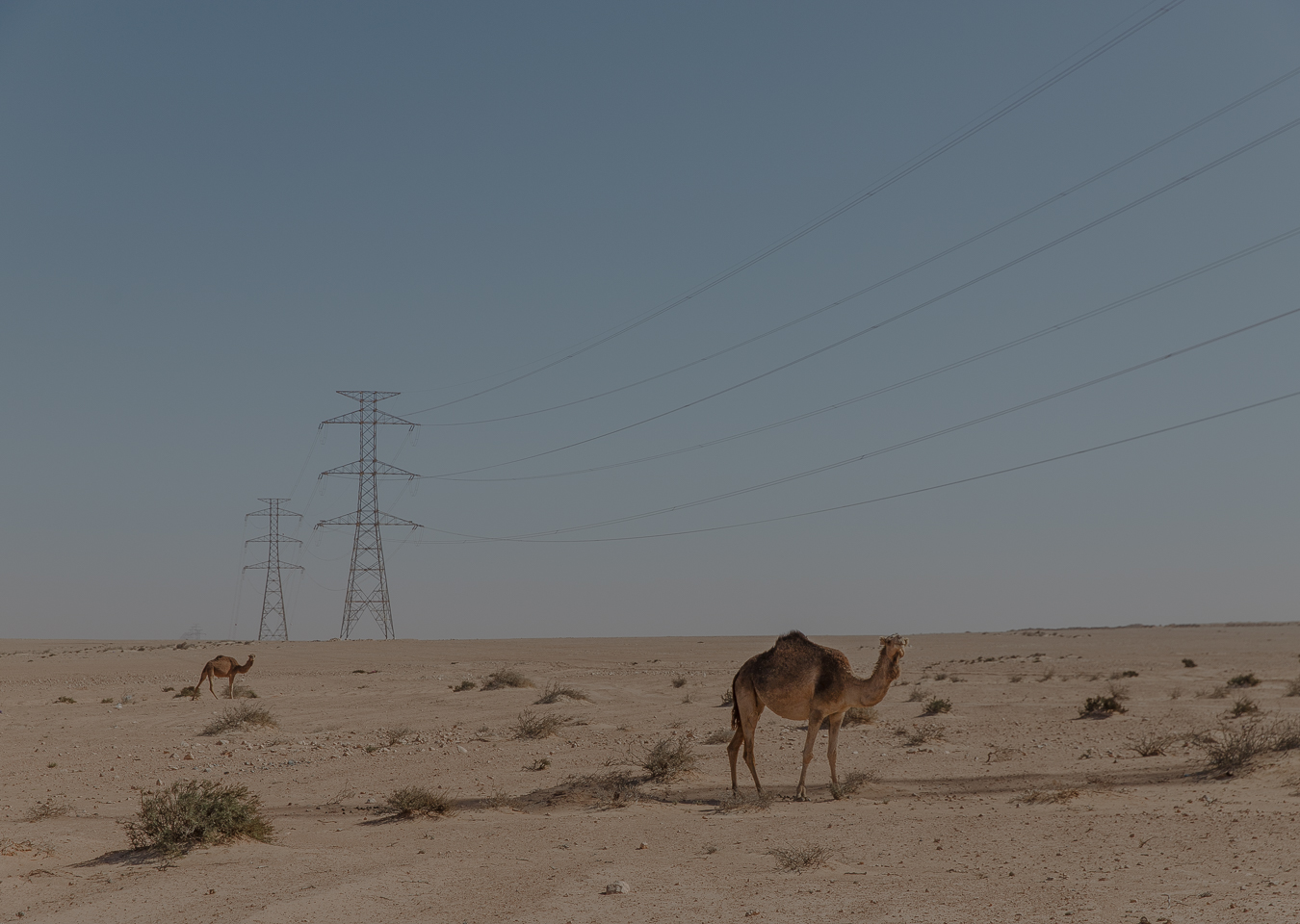
Another company of the Moroccan king involved in occupied Western Sahara
A company closely linked to Morocco’s royal business network has entered a new project in occupied Western Sahara, partnering with a Chinese state-owned electricity giant on high-voltage infrastructure in Boujdour.
Don't let resource exploitation decide Western Sahara's future
Western Sahara Resource Watch calls on the UN to address the accelerating exploitation of the territory’s natural resources - and prevent it from becoming an even greater obstacle to self-determination.