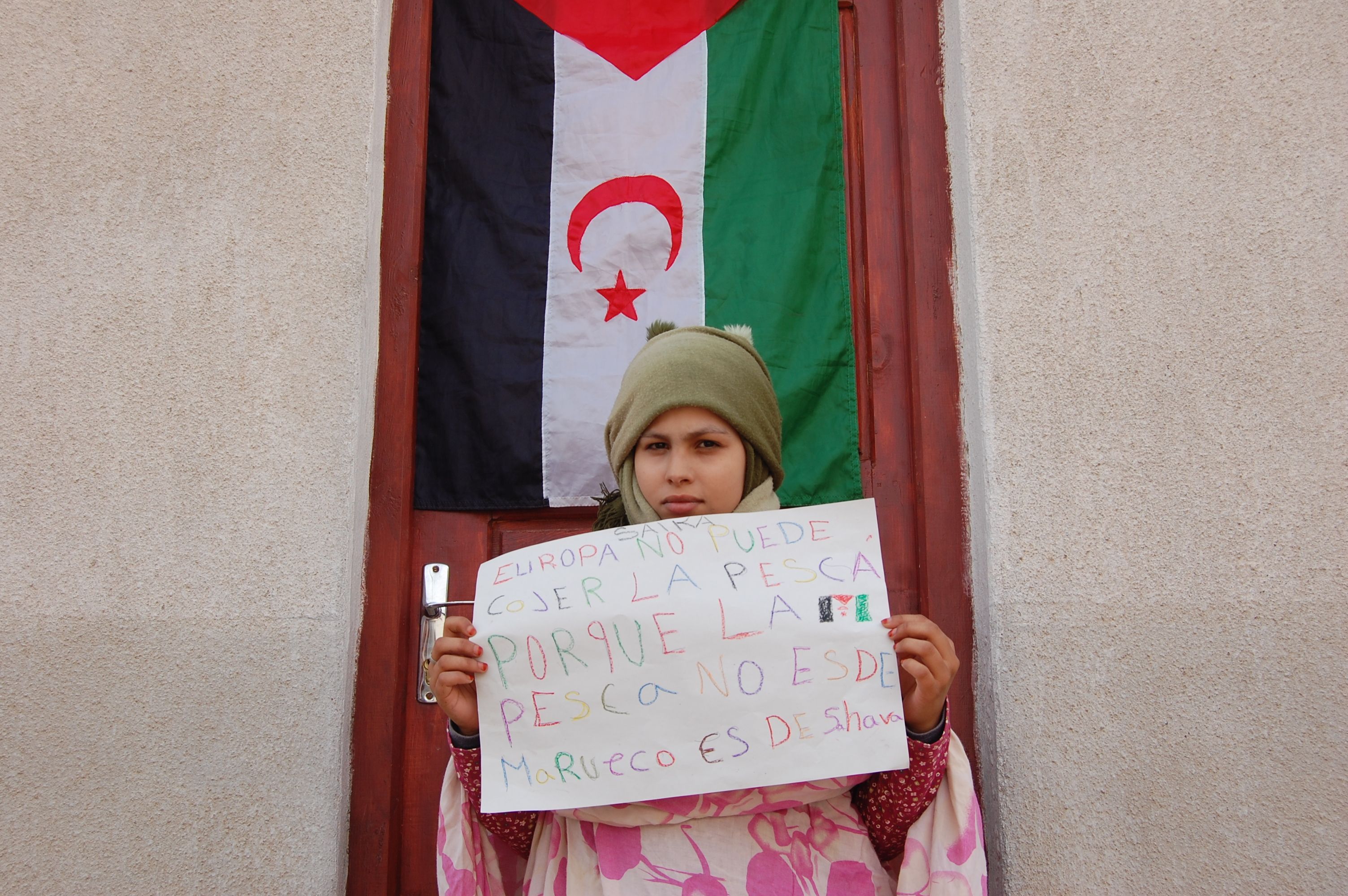
The deal will is now tabled for a final vote in the Parliament's plenary session of 13 February.
By 17 to 7, the fisheries committee of the European Parliament today recommended a new EU-Morocco fisheries agreement to be applied offshore Western Sahara. The Court of Justice of the EU has ruled in February 2018 that such agreement cannot be applied to that territory.
During today's vote, the committee approved the draft recommendation of French christian-democrat MEP Alain Cadec, the rapporteur on the proposed EU-Morocco Sustainable Fisheries Partnership Agreement (SFPA) and its implementing Protocol, which will explicitly apply to the waters offshore Western Sahara. Cadec's recommendation calls on the European Parliament to approve the deal in plenary, scheduled for 13 February.
Amendments presented by Finnish liberal Nils Torvalds, Swedish Green Linnéa Engström and Italian Green Marco Affronte, aimed at overturning MEP Cadec's recommendation to endorse the agreement, were rejected.
Cadec argued that the suggested SFPA and its Protocol merited support for three reasons.
- First, there is now a direct reference to Western Sahara in the text of the fisheries agreement.
- Second, the "local populations of Western Sahara and interested parties" have been consulted by the EU External Action Service, and most of these favoured the deal. Cadec adopts the EU Commission's argumentation that the Front Polisario, the UN-recognised representation of the people of Western Sahara, refused to take part in the consultation - a misrepresentation of reality, as documented by the letter Polisario sent to the EEAS.
- And finally, the deal would benefit the "local populations".
In its ruling of February 2018, the Court of Justice of the European Union argued that Morocco does not have any sovereignty or jurisdiction over Western Sahara and its adjacent waters. Including Western Sahara in the geographical scope of the agreement would violate the people of Western Sahara's right to self-determination, the Court argued. This decision prompted the EU Commission, mandated by the EU Member States in April 2018, to renegotiate a fish deal that would expressly apply to Western Sahara with... Morocco.
The argumentation of MEP Cadec is based on incorrect assumptions. All Saharawi groups have objected the agreement, while only Moroccan bodies approve of it. No efforts have been made to seek the permission of the Saharawis to fish in those waters. And the aspect of 'benefits' is found irrelevant by the Court of Justice. Even the word "populations" has never been used by the court. The notion of populations refers primarily Moroccan settlers, and not Saharawis.
The EU Council and Morocco have signed the new SFPA on 14 January 2018 in Brussels. All EU Member States, with the exception of Sweden, support the agreement. It's formal conclusion will have to await the vote in the plenary session of the European Parliament on 13 February 2018.
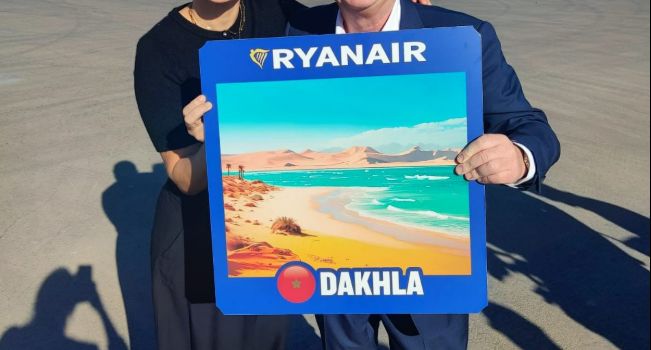
Irish ad watchdog: Ryanair misleading about flights to Western Sahara
In a preliminary decision, the Irish advertising watchdog says the airline’s ads are likely to mislead, as Dakhla is “not a part of Morocco”.

Gdeim Izik prisoners resume hunger strike
Saharawi political prisoners have resumed a hunger strike in Moroccan prisons, demanding their release, improved detention conditions and the implementation of UN decisions.
SRI update
The following overview enlists stock-exchange registered companies with current or recent operations in occupied Western Sahara. Updated 28 September 2026.
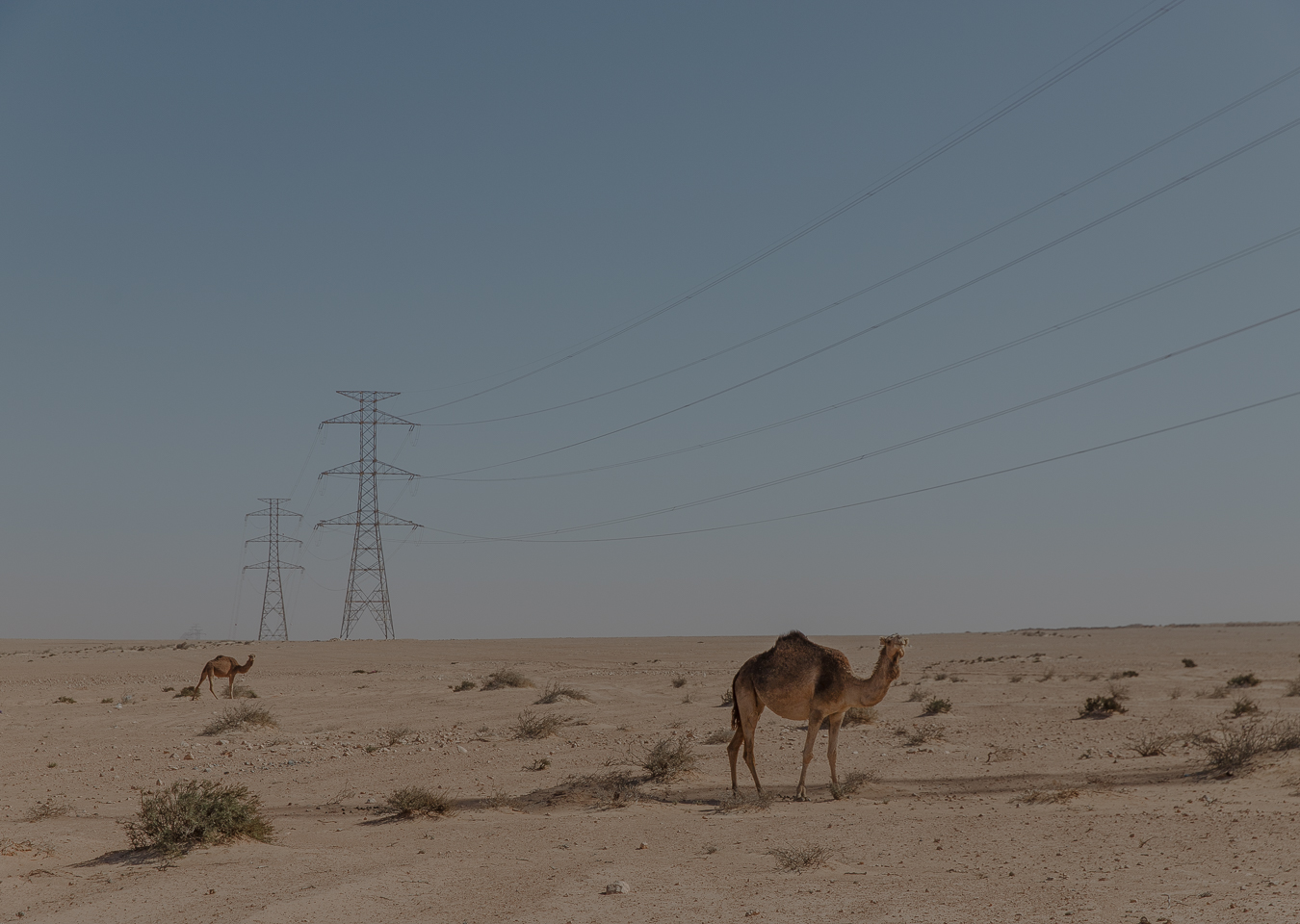
Another company of the Moroccan king involved in occupied Western Sahara
A company closely linked to Morocco’s royal business network has entered a new project in occupied Western Sahara, partnering with a Chinese state-owned electricity giant on high-voltage infrastructure in Boujdour.