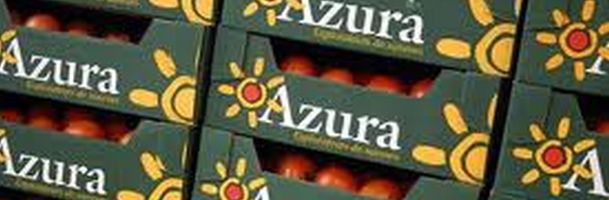
German and Irish law organisations demand that Messe Berlin ceases to accept the controversial French tomato producer Azura.
The Global Legal Action Network (GLAN), based in Ireland, and the European Centre for Constitutional and Human Rights (ECCHR) released on, 6 September 2019, an open letter to Messe Berlin GmbH, the organiser of the leading Fruit Logistica trade show, and its Ombudsperson.
The letter addresses allegations of illegal conduct by one of the show’s exhibitors and Messe’s responsibilities under the UN Guiding Principles for Business and Human Rights (UNGP) in relation to their hosting of this business.
The French company ‘Azura Group’ exports tomatoes from occupied Western Sahara to Europe.
GLAN and ECCHR write in a release that Messe Berlin had responded poorly to a request earlier this year to make the fair stop promoting Azura, and that the two groups therefore proceeded to publish the correspondence.
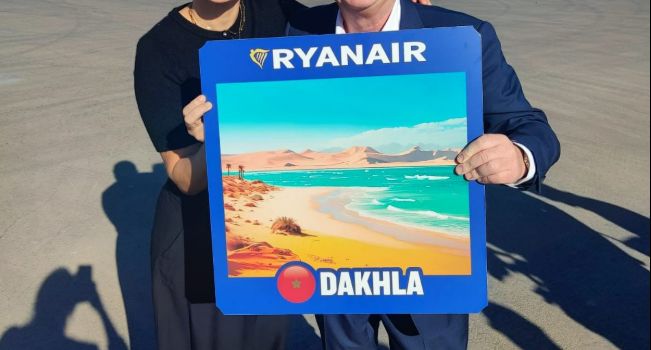
Irish ad watchdog: Ryanair misleading about flights to Western Sahara
In a preliminary decision, the Irish advertising watchdog says the airline’s ads are likely to mislead, as Dakhla is “not a part of Morocco”.
Gdeim Izik prisoners resume hunger strike
Saharawi political prisoners have resumed a hunger strike in Moroccan prisons, demanding their release, improved detention conditions and the implementation of UN decisions.
SRI update
The following overview enlists stock-exchange registered companies with current or recent operations in occupied Western Sahara. Updated 28 September 2026.
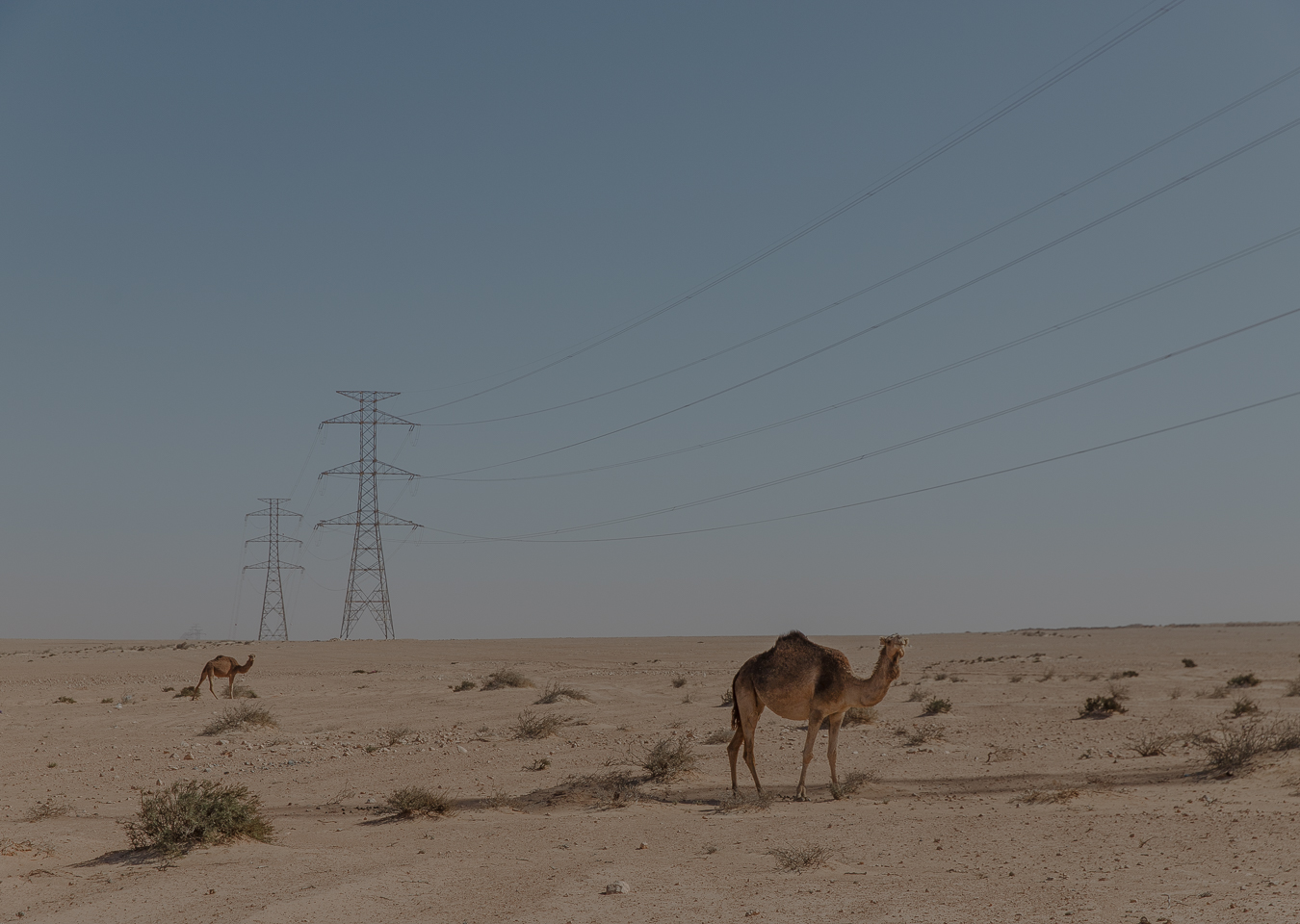
Another company of the Moroccan king involved in occupied Western Sahara
A company closely linked to Morocco’s royal business network has entered a new project in occupied Western Sahara, partnering with a Chinese state-owned electricity giant on high-voltage infrastructure in Boujdour.