Japanese pirates went under the radar
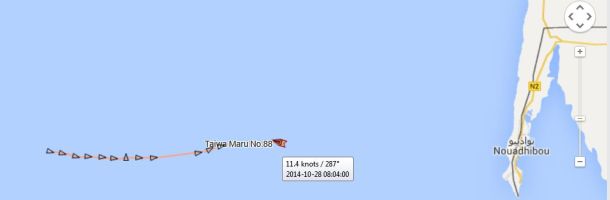
Four Japanese vessels which carried out pirate fisheries in Western Sahara waters have turned off their location transponders. WSRW sends repeat protest to Japan government.
Published 04 November 2014
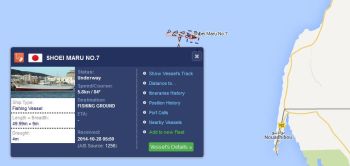 In October Western Sahara Resource Watch (WSRW) discovered three (and later, a fourth) Japanese vessels in the waters offshore occupied Western Sahara. WSRW asked the Japanese government to intervene to stop the practice. No response has yet been received by WSRW, nor has WSRW observed any intervention from the Moroccan government.
The fisheries bear all signs to be what is characterised internationally as Illegal, Unreported, and Unregulated (IUU) fishing.
The Moroccan environmental control over international and national fleets in Western Sahara’s coastal waters has always been inadequate. No state recognises Morocco’s claim to sovereignty over the territory, and Morocco has itself not laid claim to its waters. Even if this particular instance of fishing had been granted by the Moroccan government, it would still have been in violation of international law. WSRW has found no evidence that the vessels have been granted permission by the Government of Morocco to fish off the south coast of the occupied territory. Certainly, they have not received permission of the Saharawi Republic, the only government to have asserted claims to those waters. By all indications, the four vessels have shown up unannounced and without any permission.
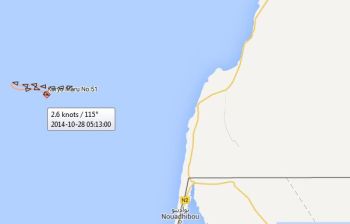
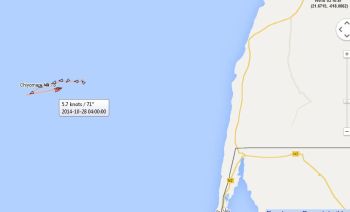 During the morning of 28 October 2014, eleven days after WSRW first protested the fisheries, the four vessels turned off its AIS transponders. The vessels are:
 'Shoei Maru No 7' (IMO number 9120023), last registered transponder signal at 28 Oct 05:47
'Koryo Maru 51' (IMO number 8915990), last registered transponder signal at 28 Oct 05:35
'Chiyo Maru No 18' (IMO number 9016521), last registered transponder signal at 28 Oct 04:13
'Taiwa Maru No. 88' (IMO number 9053488), last registered transponder signal at 28 Oct 08:05
An AIS transponder is part of the communication system that all vessels carry on board to identify where they are and which routes they are taking on sea. It is not unusual that vessels engaged in pirate fisheries go under the radar by turning off their responders.
 Each of the four missing vessels are longliners, and the sailing tracks they displayed visually and on radar reveal that they are fishing for tuna, most likely the “bigeye” species, which is priced on Japanese/European markets at approximately $9 (Euro 6) a kilo. As each of the four vessels have cargo capacity of 400 tonnes, the value of the Japanese illegal fishing expedition into Saharawi waters would be worth approximately Euro 9 million, providing they manage to fill the cargo capacity.
The International Union for the Conservation of Nature (IUCN) considers tuna species in the Atlantic Ocean to be “threatened”. The organization responsible for tuna in the Atlantic, the International Commission for the Conservation of Atlantic Tunas (ICCAT) has also expressed concern about the sustainability of tuna fishing. The United Nations Food & Agriculture Organization (UNFAO) has condemned such “rogue” or “pirate” IUU fishing as damaging to fish stocks and the orderly allocation of fisheries yields among states which participate in regional fisheries management organisations.
WSRW today sent another letter of protest to the Japanese government. Download the letter here.
WSRW initially had reported that there are three Japanese longliners involved in the practice. The confirmed correct number is four.
News

MEPs push back on Commission over Western Sahara in EU–Morocco trade
MEPs from across the political spectrum sharply criticised the European Commission over its handling of EU-Morocco trade relations covering occupied Western Sahara, raising concerns over legality, transparency and an apparent disregard for Parliament’s role.
19 March 2026
SRI update
The following overview enlists stock-exchange registered companies with current or recent operations in occupied Western Sahara. Updated 16 April 2026
15 March 2026
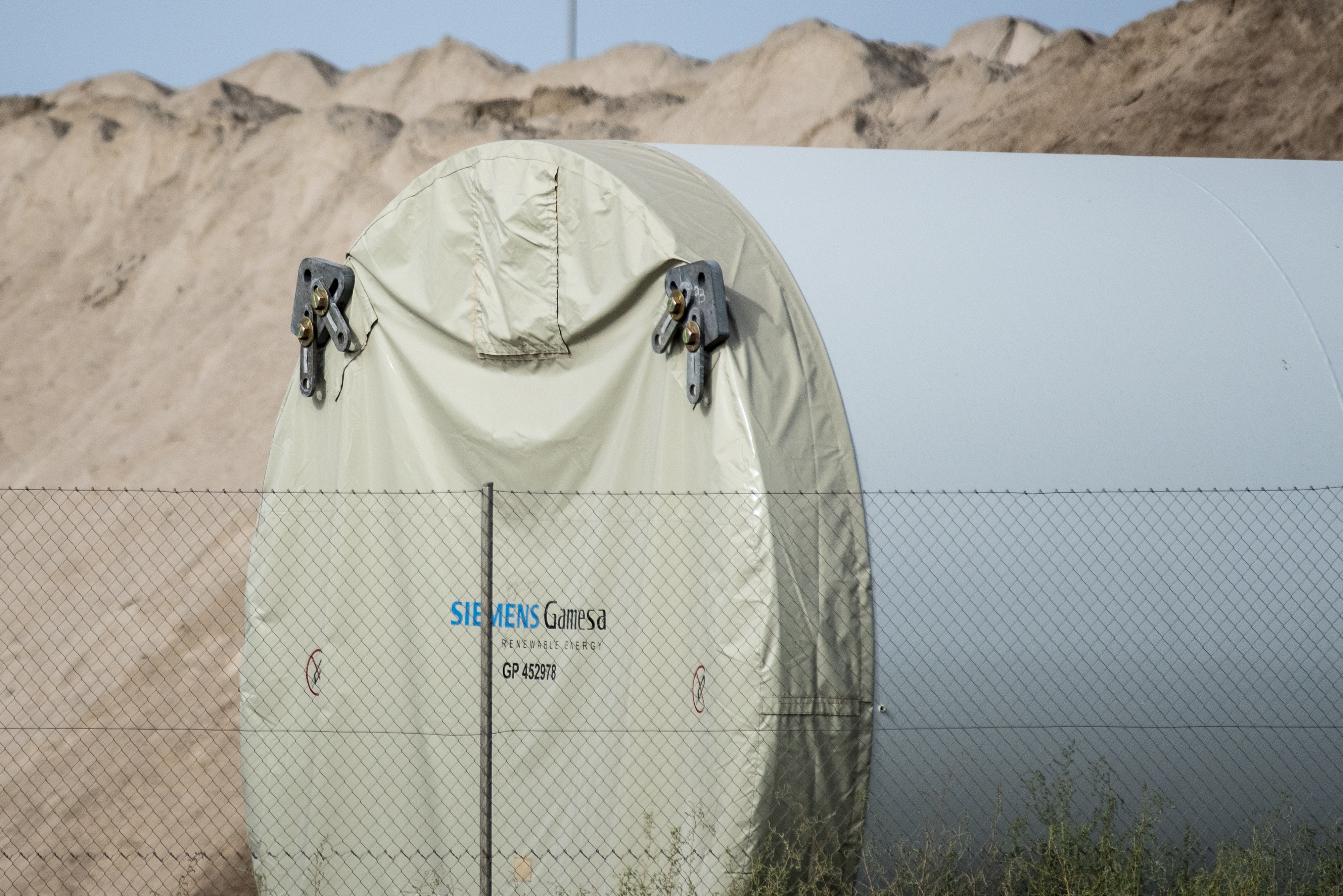
Siemens Energy sidesteps key questions on Western Sahara
At its 2026 Annual General Meeting, Siemens Energy defended its involvement in wind energy projects in occupied Western Sahara.
12 March 2026
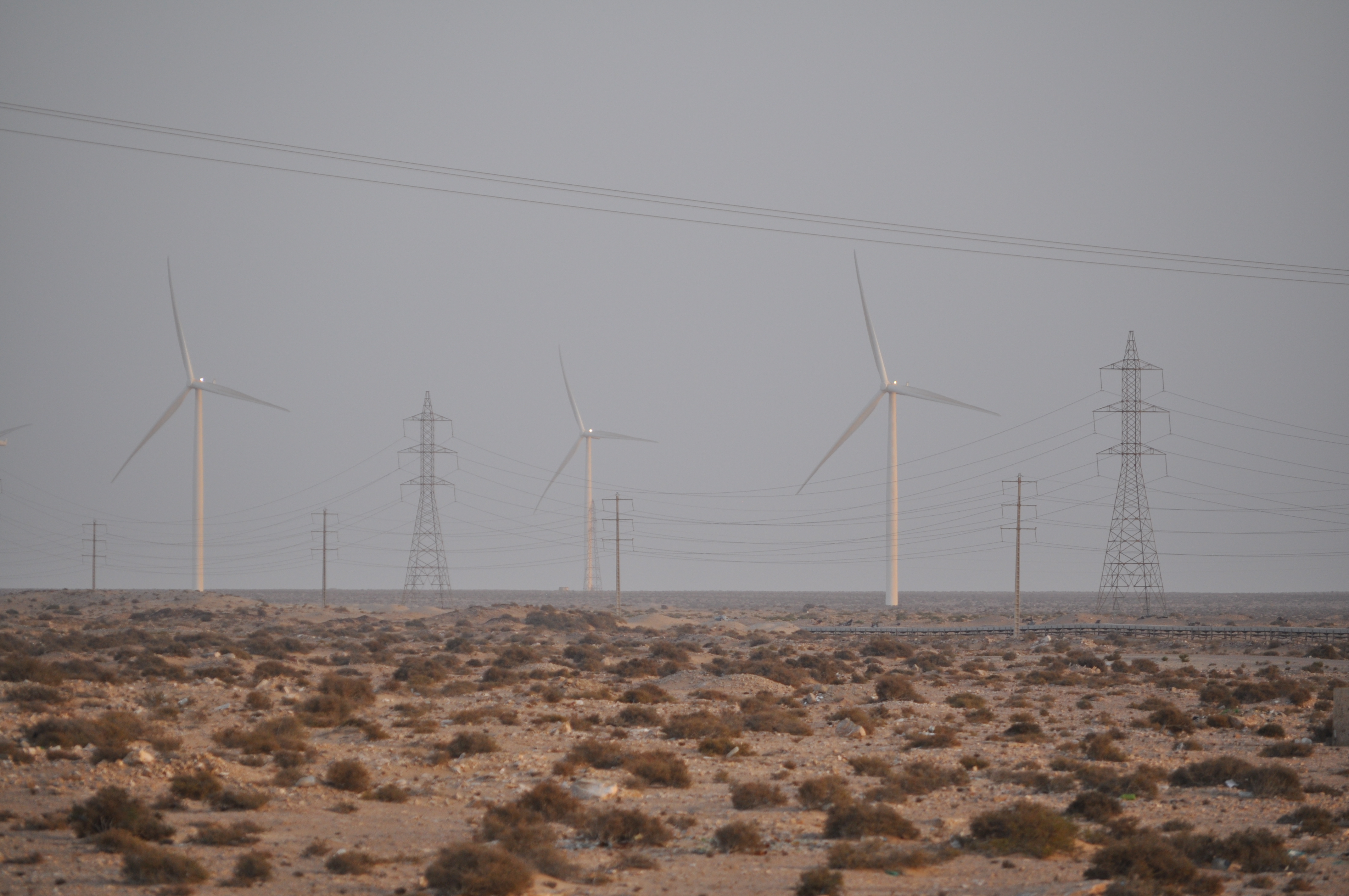
Morocco allocates land in occupied Western Sahara to green hydrogen investors
Morocco’s ambitions to become a global green hydrogen powerhouse are accelerating. Yet, Rabat is allocating land in a territory it does not legally own.
20 February 2026