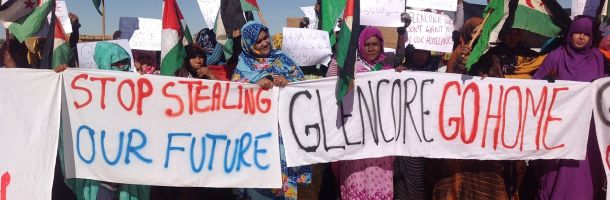
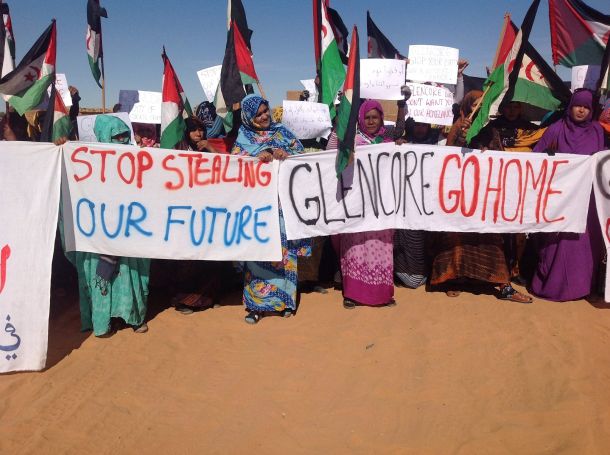
Saharawi refugees yesterday protested against Swiss firm Glencore Plc, looking for oil in their occupied Western Sahara. See photos and videos of the protest here.
Glencore Plc, the Swiss based multinational commodity trading and mining company, holds two exploration licences from the Moroccan government for oil blocks located outside of Morocco's internationally recognised borders: in the part of Western Sahara that Morocco invaded and annexed in 1975.
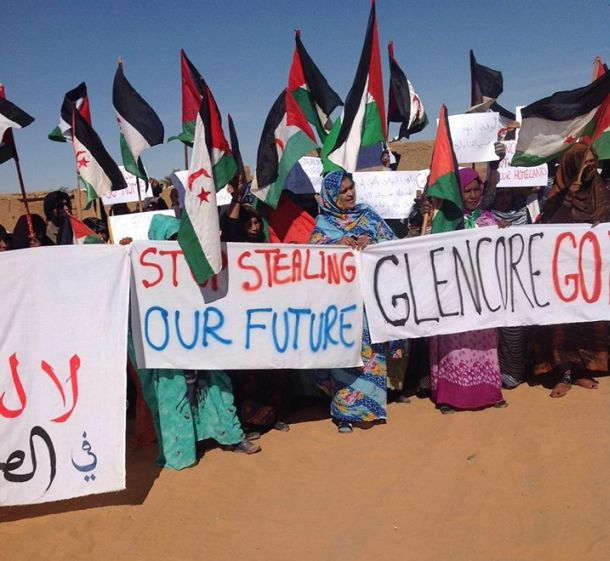
A large part of the Saharawi people fled Morocco's invasion, and still live in refugee camps in south-west Algeria. In one of those camps, named Dakhla after the town in their homeland, the refugees yesterday 17 March 2015 took to the streets to show their opposition to Glencore's search for oil in Western Sahara. Protesters carried banners saying "Glencore go home", "Stop stealing our future" and "Glencore we don't want you in our homeland".
The oil exploration is in violation of a UN Legal Opinion of 2002, which calls exploration and exploitation of Western Sahara's resources unlawful if not in accordance with the wishes and the interests of the Saharawi people - the original inhabitants of the territory at the time of Morocco's invastion.
The Saharawi people oppose Morocco's oil programme in their occupied land. But nor Morocco, nor its international partners such as Glencore, pay any attention to their wishes.
The UN to date considers Western Sahara to be a Non-Self Governing Territory - a colony yet to complete the process of decolonisation. No State in the world recognises Morocco's untenable claim over the territory. The International Court of Justice has acknowledged the Saharawi people's right to self-determination - the right to determine the status of the territory and its resources - which has been echoed in countless UN Resolutions and backed by the international community.
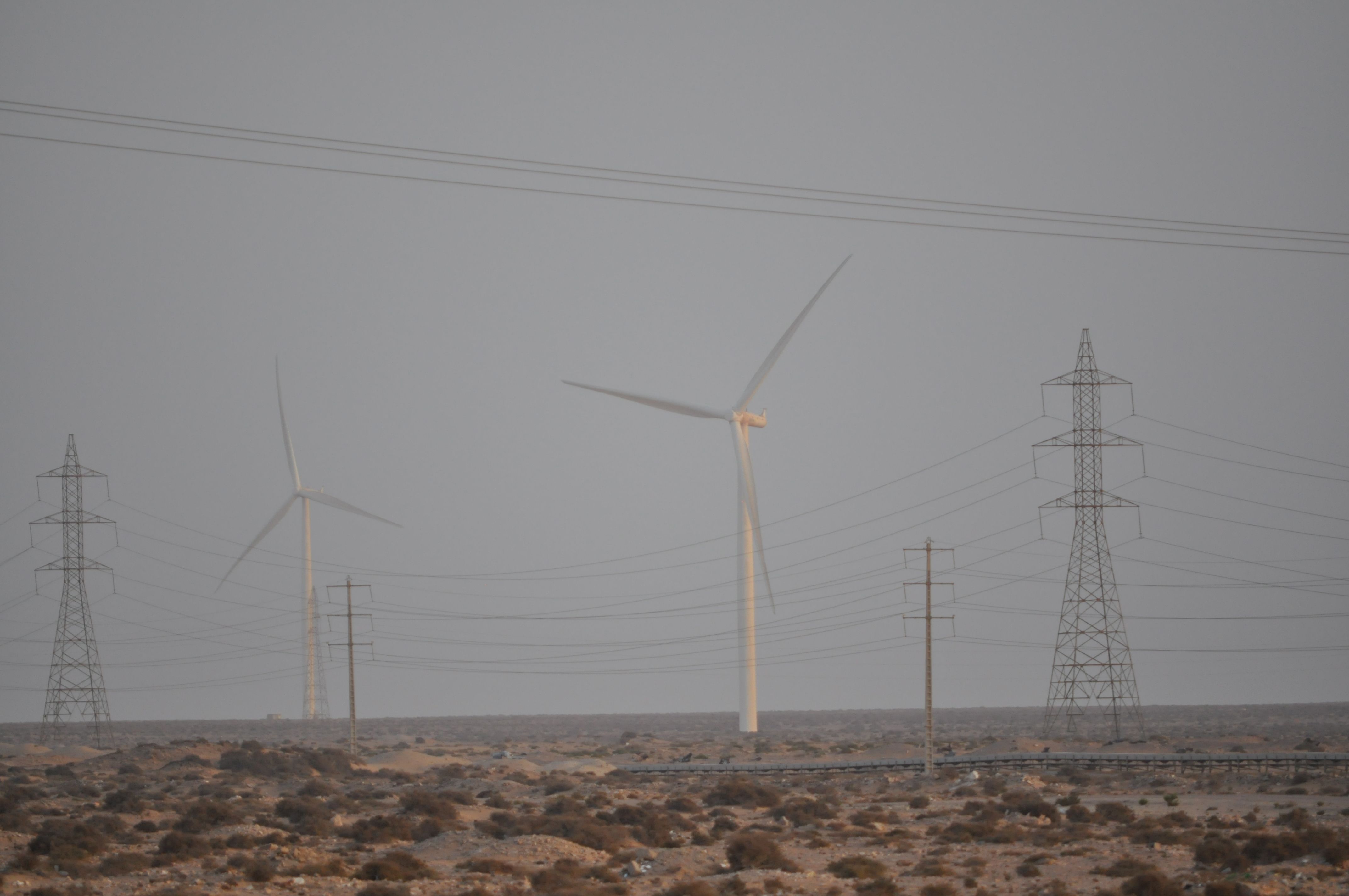
Occupied Western Sahara wind complex expands into Africa's top three
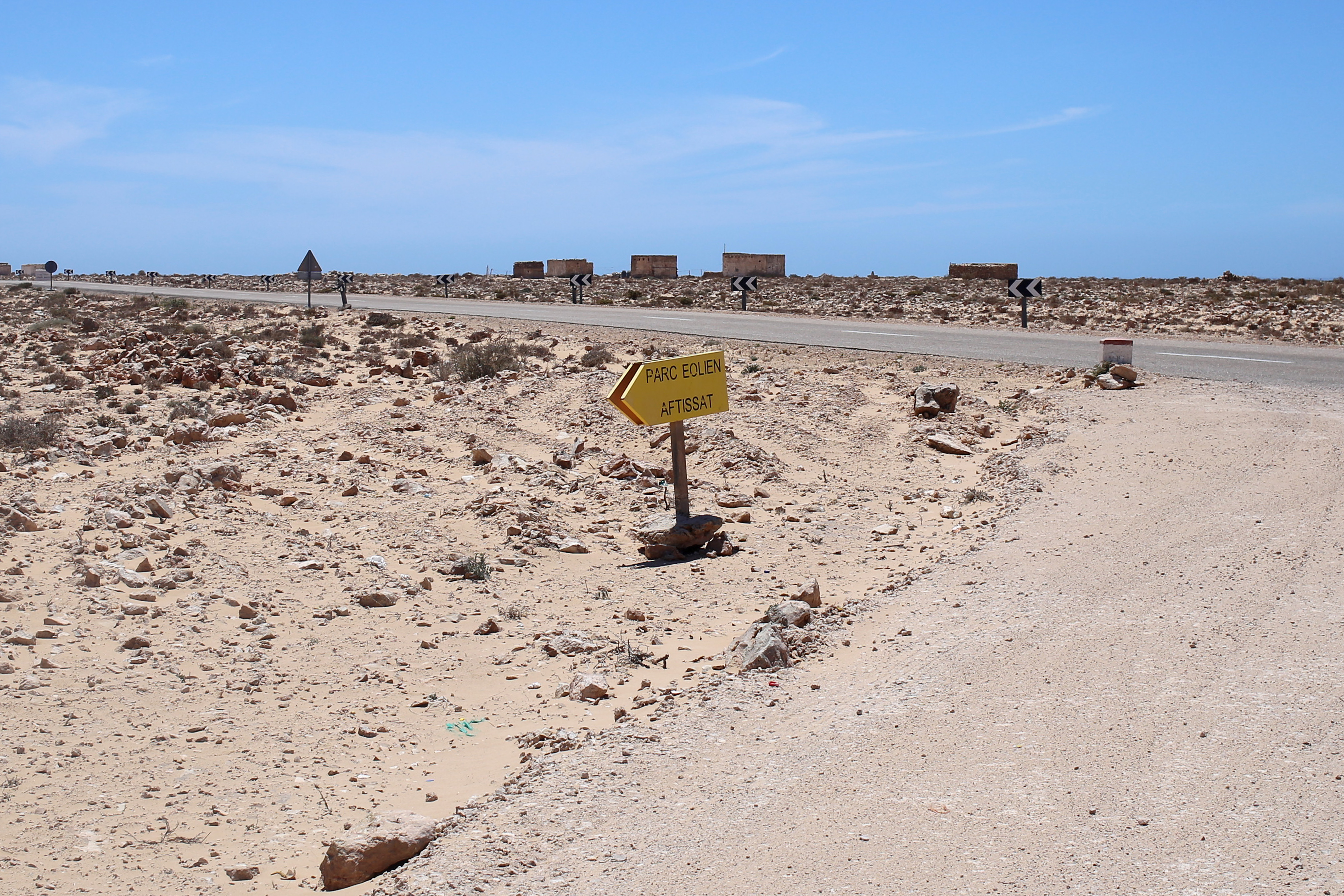
The Moroccan king’s energy company appears to have completed two new phases of the Aftissat wind power complex in occupied Western Sahara.

Dirty green energy on occupied land
How can it be wrong to develop renewable energy, in a world that is in desperate need for a green transition? In Western Sahara, the problems are numerous.
Trump administration bankrolls ammonia project in occupied Western Sahara
The Trump administration has become the first US government to finance a private-sector project in occupied Western Sahara, awarding support to the controversial ORNX green ammonia venture.
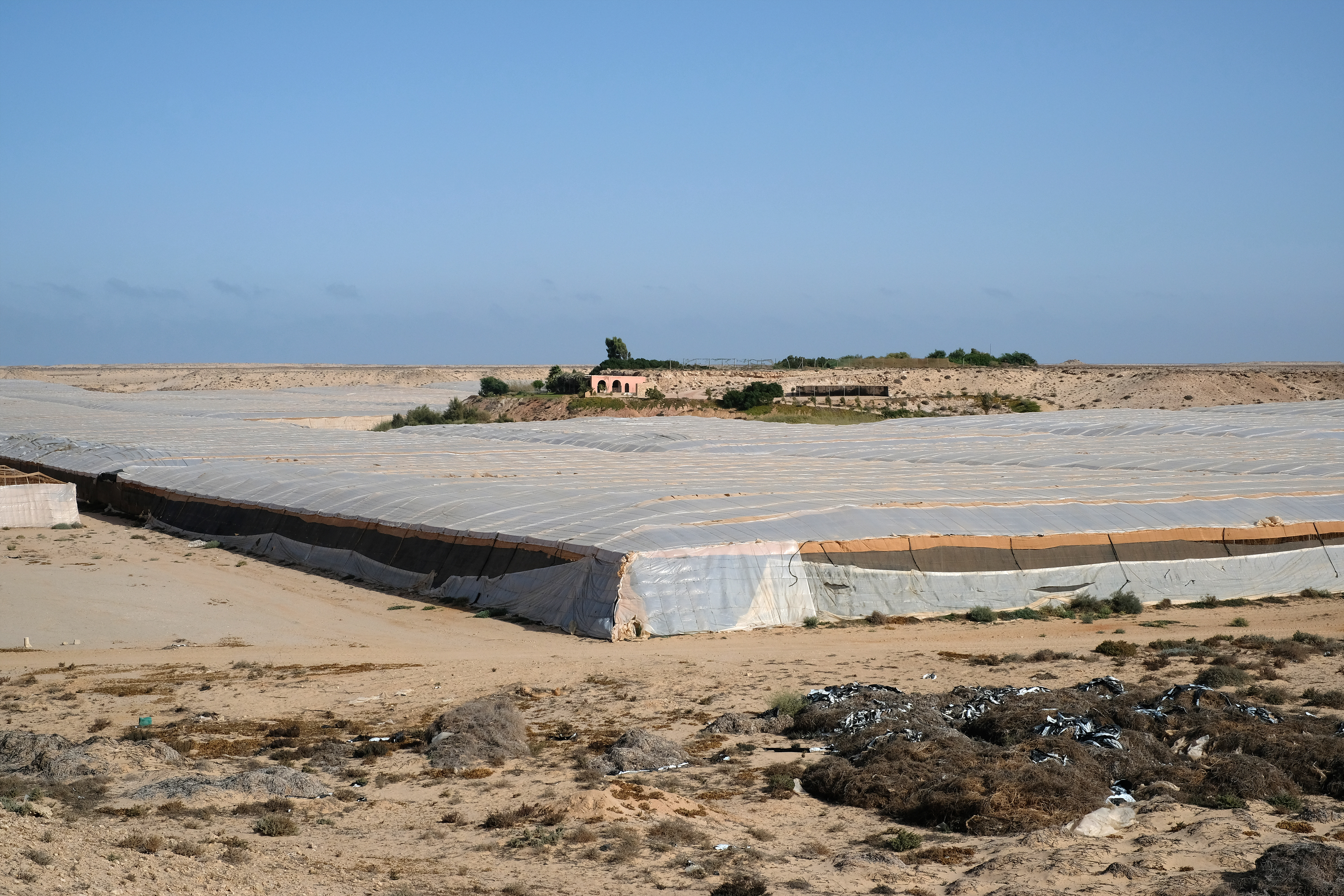
Engie paves way for new farmland in occupied Western Sahara
Morocco has launched another tender to allocate more than 1,000 hectares of agricultural land in occupied Western Sahara, made cultivable through the French company Engie. The expansion comes as the EU considers increasing the unlawful trade with the territory.