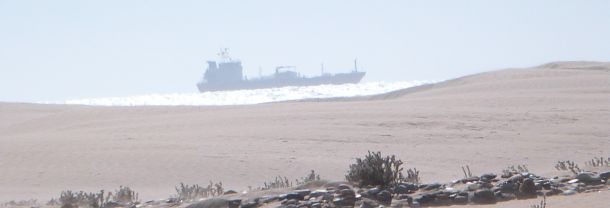
A new report published by WSRW today reveals the names of around 100 shipping companies behind the transport of phosphate rock from occupied Western Sahara in 2016 and 2017.
For 45 days now, the large motor vessel NM Cherry Blossom has been detained in Port Elizabeth, South Africa. On 15 June 2017, the High Court in the country found that the ship, carrying conflict minerals from occupied Western Sahara, is to remain there until a trial concludes on the real ownership of the cargo.
Which shipping company could be the next in having a vessel detained?
Western Sahara Resource Watch (WSRW) today launches the first ever report to systematically outline the owners and operators of the vessels that transport the controversial phosphate to clients overseas. The export is done by Morocco, the occupying power. The report’s annex refers to around 100 shipping companies that took part in such transports from the territory from 1 January 2016 to 9 June 2017.
Download the 36-page report 'Carriers of Conflict' here (pdf).
The operator which is most heavily involved in the trade is Ultrabulk A/S from Denmark, accounting for 8 of 46 shipments during the period. 13 of the 46 vessels mentioned in the report are Greek owned or operated.
A key player in the overall trade, and with an important stake in the shipment currently detained in South Africa, is the German/UK company Furness Withy, until 2017 part of the frozen pizza conglomerate of Dr. Oetker. From later this year, the company is to be sold to Maersk in Denmark.
Concerns have been expressed by governments, parties, trade unions and organisations internationally regarding the global purchases of such rock from the Moroccan government. Institutional investors have blacklisted the importers for contributing to undermine international law and the UN peace process , while several fertilizer companies have halted the imports after being aware of the controversy. But little focus have in the past been given to the transporters.
"With the current legal processes against the shipments, all transporters need to beware of the risks involved in participation of this pillage", Morten Nielsen, board member of Western Sahara Resource Watch, explained.
Western Sahara is treated by the United Nations as the last unresolved colonial question in Africa. Parts of the territory, including the phosphate mine, is under partial Moroccan occupation. WSRW calls on all companies involved to immediately halt all shipments of Western Sahara phosphates until a solution to the conflict has been found.
Most operators mentioned in this report were contacted yesterday for comments. Answers that we receive can be found here. Further information about the role of clients of the rock can be found in the WSRW report “P for Plunder 2016”.
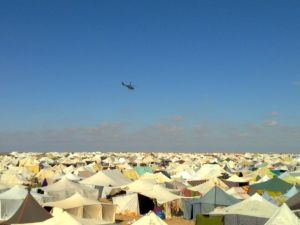
Gdeim Izik prisoners resume hunger strike
Saharawi political prisoners have resumed a hunger strike in Moroccan prisons, demanding their release, improved detention conditions and the implementation of UN decisions.
SRI update
The following overview enlists stock-exchange registered companies with current or recent operations in occupied Western Sahara. Updated 28 September 2026.
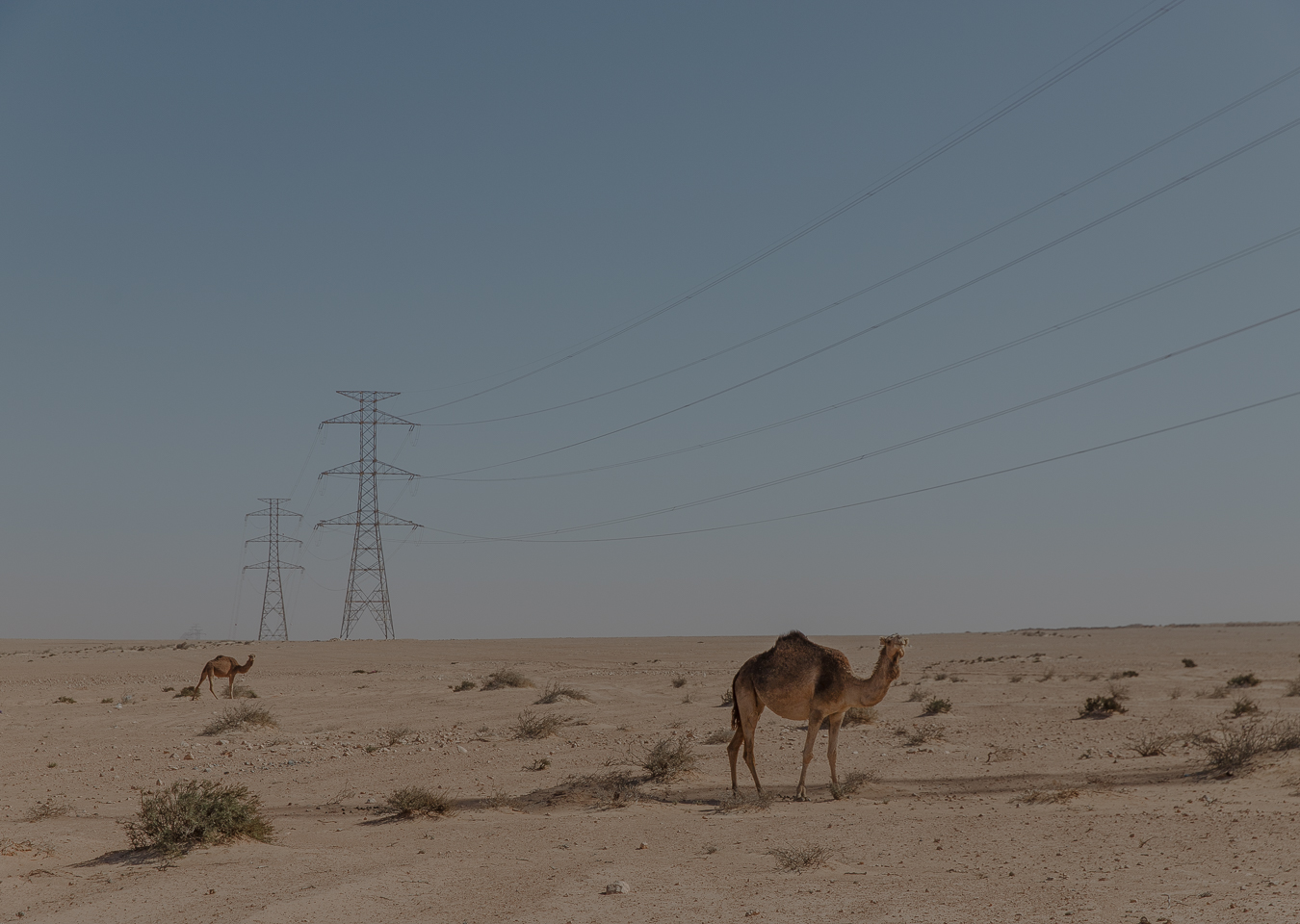
Another company of the Moroccan king involved in occupied Western Sahara
A company closely linked to Morocco’s royal business network has entered a new project in occupied Western Sahara, partnering with a Chinese state-owned electricity giant on high-voltage infrastructure in Boujdour.

Don't let resource exploitation decide Western Sahara's future
Western Sahara Resource Watch calls on the UN to address the accelerating exploitation of the territory’s natural resources - and prevent it from becoming an even greater obstacle to self-determination.