In complete violation of international law, Morocco is pillaging the minerals and phosphates in occupied Western Sahara. This week, their office in El Aaiun was raided by Saharawis. A phosphate worker was killed by Moroccan police.
The UN has established that Saharawis must give its consent if natural resource activities in Western Sahara can take place.
But Morocco and the international firms that take part in the plunder, fail to obtain the consent from the Saharawis.
This video shows the offices of the Department of Mines being raided by angry Saharawis. The raids started as the peaceful protest camp outside El Aaiun was stormed by Moroccan police on Monday 8 October.
In the same disturbances, not far from where this video was recorded, a worker of the phosphate mine was killed by the police. His name is Mahmoud Badi Gargar (below), and he has worked in the phosphate mines for 5 years. Mahmoud leaves wife and 2 kids.

SRI update
The following overview enlists stock-exchange registered companies with current or recent operations in occupied Western Sahara. Updated 28 September 2026.
Another company of the Moroccan king involved in occupied Western Sahara
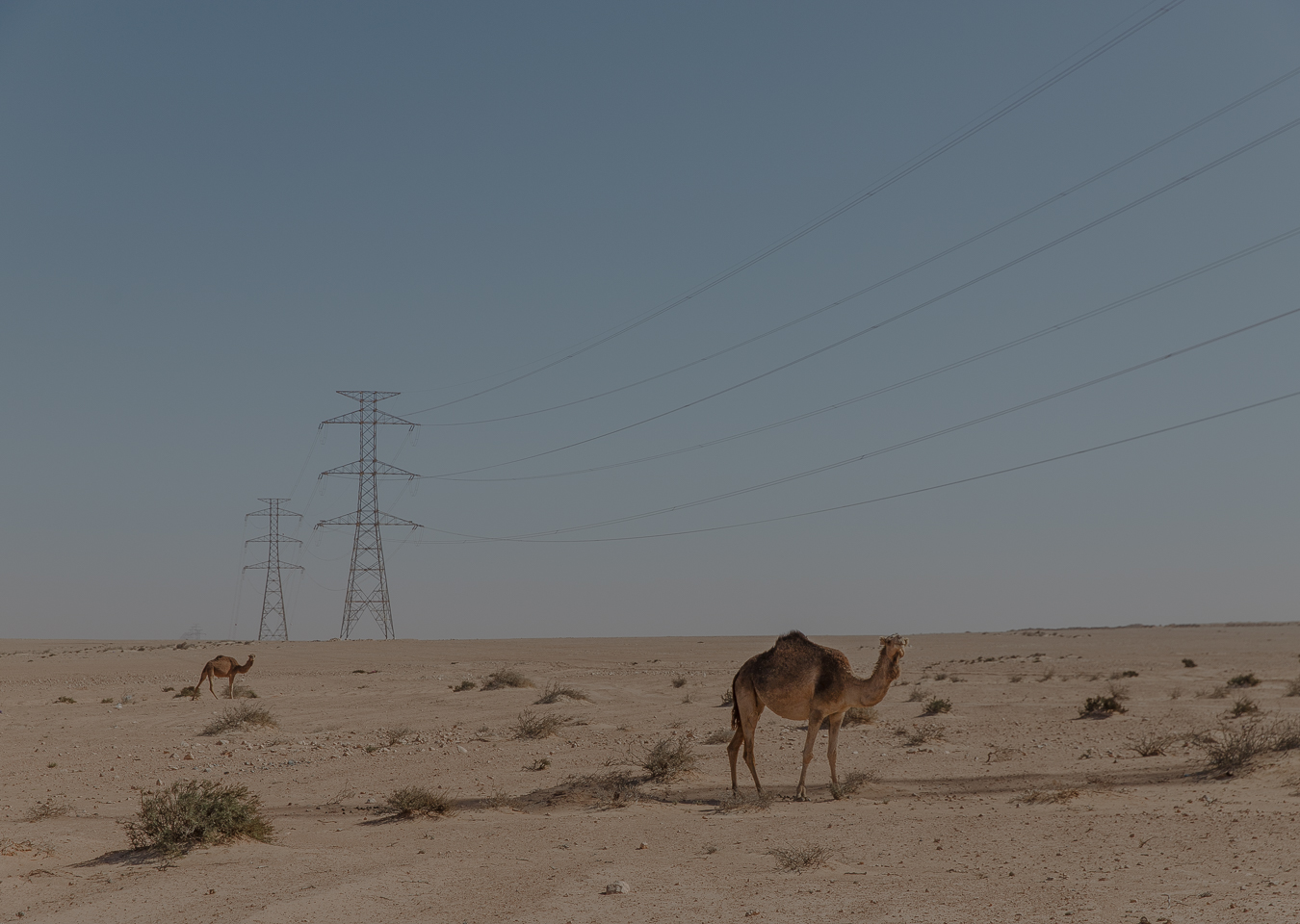
A company closely linked to Morocco’s royal business network has entered a new project in occupied Western Sahara, partnering with a Chinese state-owned electricity giant on high-voltage infrastructure in Boujdour.

Don't let resource exploitation decide Western Sahara's future
Western Sahara Resource Watch calls on the UN to address the accelerating exploitation of the territory’s natural resources - and prevent it from becoming an even greater obstacle to self-determination.
Occupied Western Sahara wind complex expands into Africa's top three
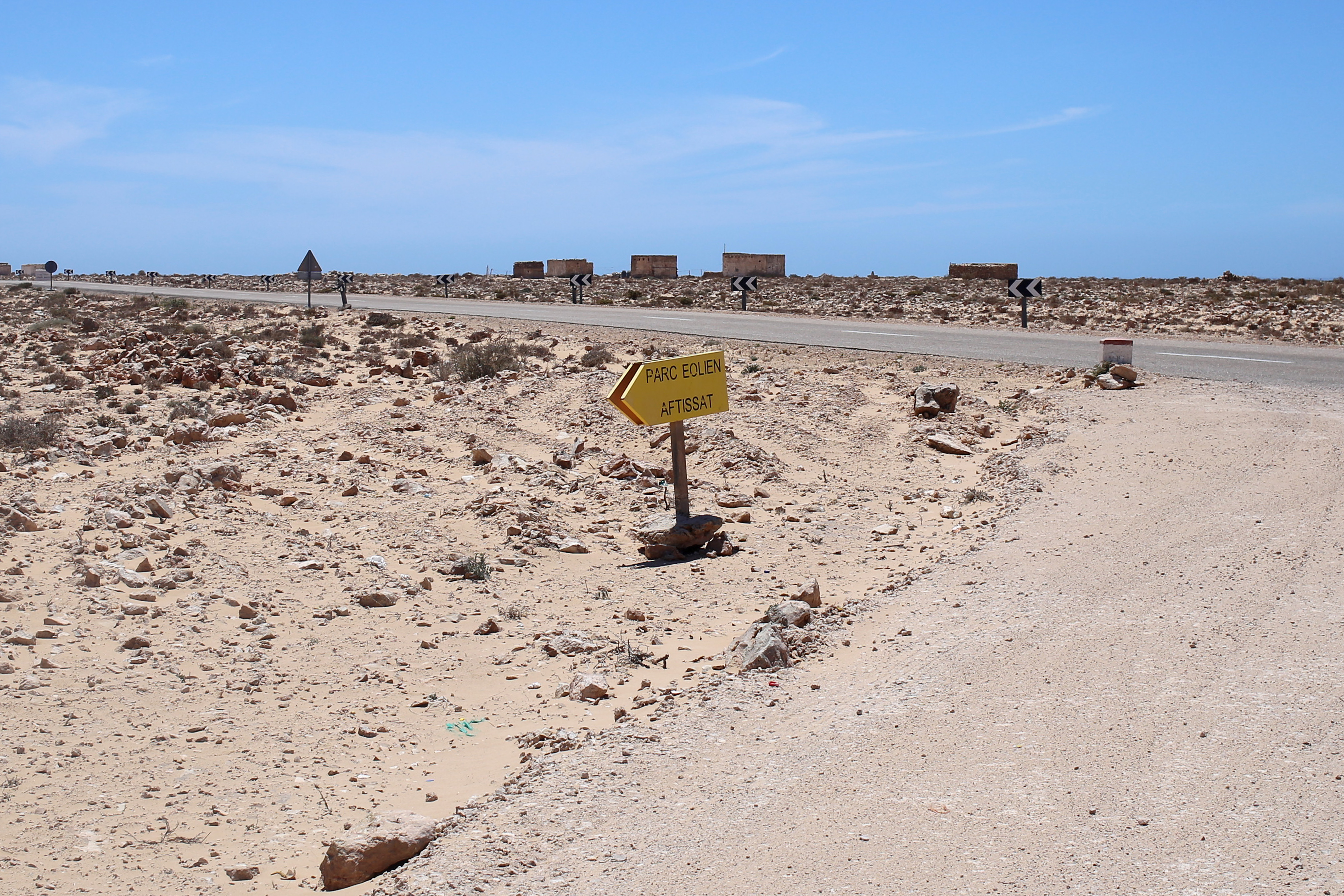
The Moroccan king’s energy company appears to have completed two new phases of the Aftissat wind power complex in occupied Western Sahara.