As EU ambassadors give their green light to a new Morocco trade deal, the public is still denied access to the very agreement they are voting on - a striking case of secrecy in Brussels.
Today, COREPER - the body of EU Member States’ ambassadors - is expected to vote in favour of a new EU-Morocco trade agreement covering occupied Western Sahara. The Council of the EU is scheduled to formally adopt the deal before the weekend.
Yet, remarkably, the public still has no idea what the Council is voting on.
The draft agreement and explanatory memorandum are not available on the EU Commission’s online register of documents, nor on the Council’s public register. The proposal is being rushed through in complete opacity, despite directly affecting an occupied territory and coming in the wake of ten consecutive rulings by the EU Court of Justice (CJEU) that stressed the Saharawi people’s right to consent.
This lack of transparency contrasts sharply with the Commission’s handling of other sensitive trade files. For instance, the Commission’s proposal to suspend trade concessions to Israel was published the very next day, while Council has not even scheduled a date for its vote.
For Western Sahara, however, the opposite is true: the Council is preparing to adopt a deal within days, while the public is left in the dark about its contents.
The EU’s rush and secrecy around this agreement undermine not only the Saharawi people’s rights, but also the EU’s own democratic standards.
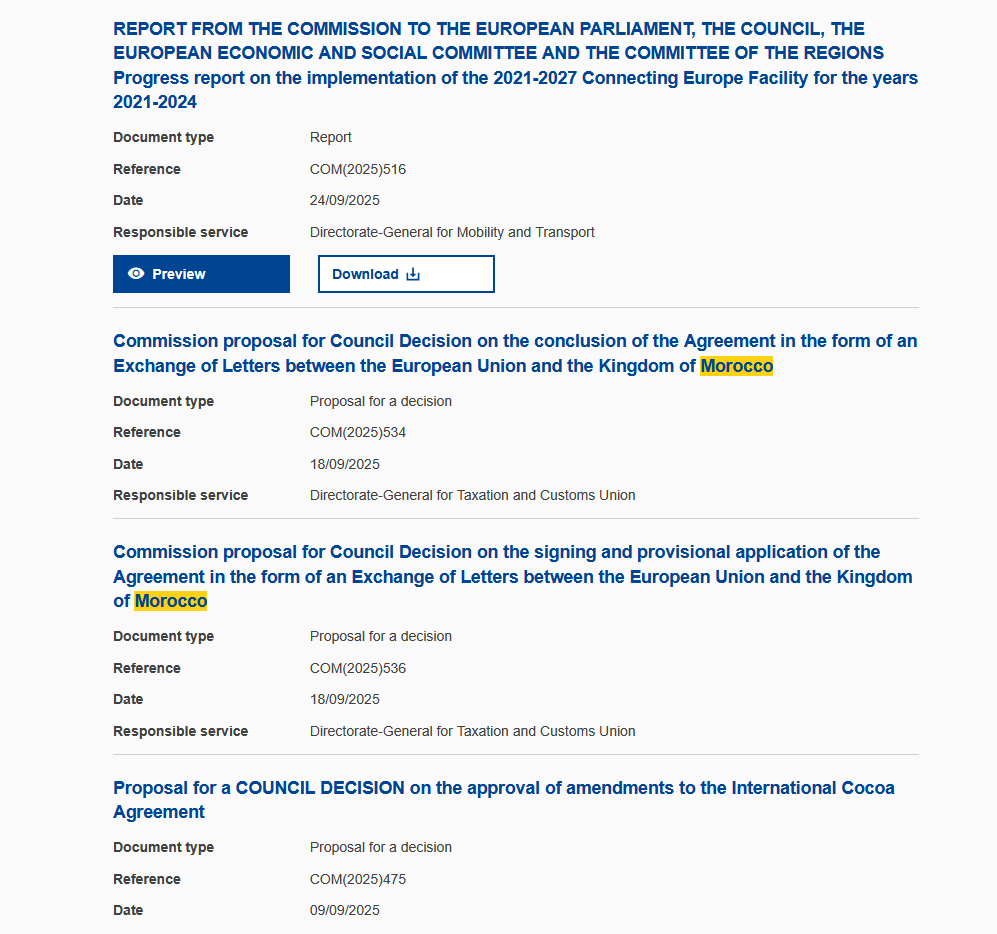
UPDATE: As of 3 Oct 2025 at 10:20, the website still shows no documents - download.
UPDATE: As of 3 Oct 2025 at 18:10, the EURLEX website shows the Council decision BEFORE the proposal has yet been published - download.
Since you're here....
WSRW’s work is being read and used more than ever. We work totally independently and to a large extent voluntarily. Our work takes time, dedication and diligence. But we do it because we believe it matters – and we hope you do too. We look for more monthly donors to support our work. If you'd like to contribute to our work – 3€, 5€, 8€ monthly… what you can spare – the future of WSRW would be much more secure. You can set up a monthly donation to WSRW quickly here.
SRI update
The following overview enlists stock-exchange registered companies with current or recent operations in occupied Western Sahara. Updated 28 September 2026.
Another company of the Moroccan king involved in occupied Western Sahara
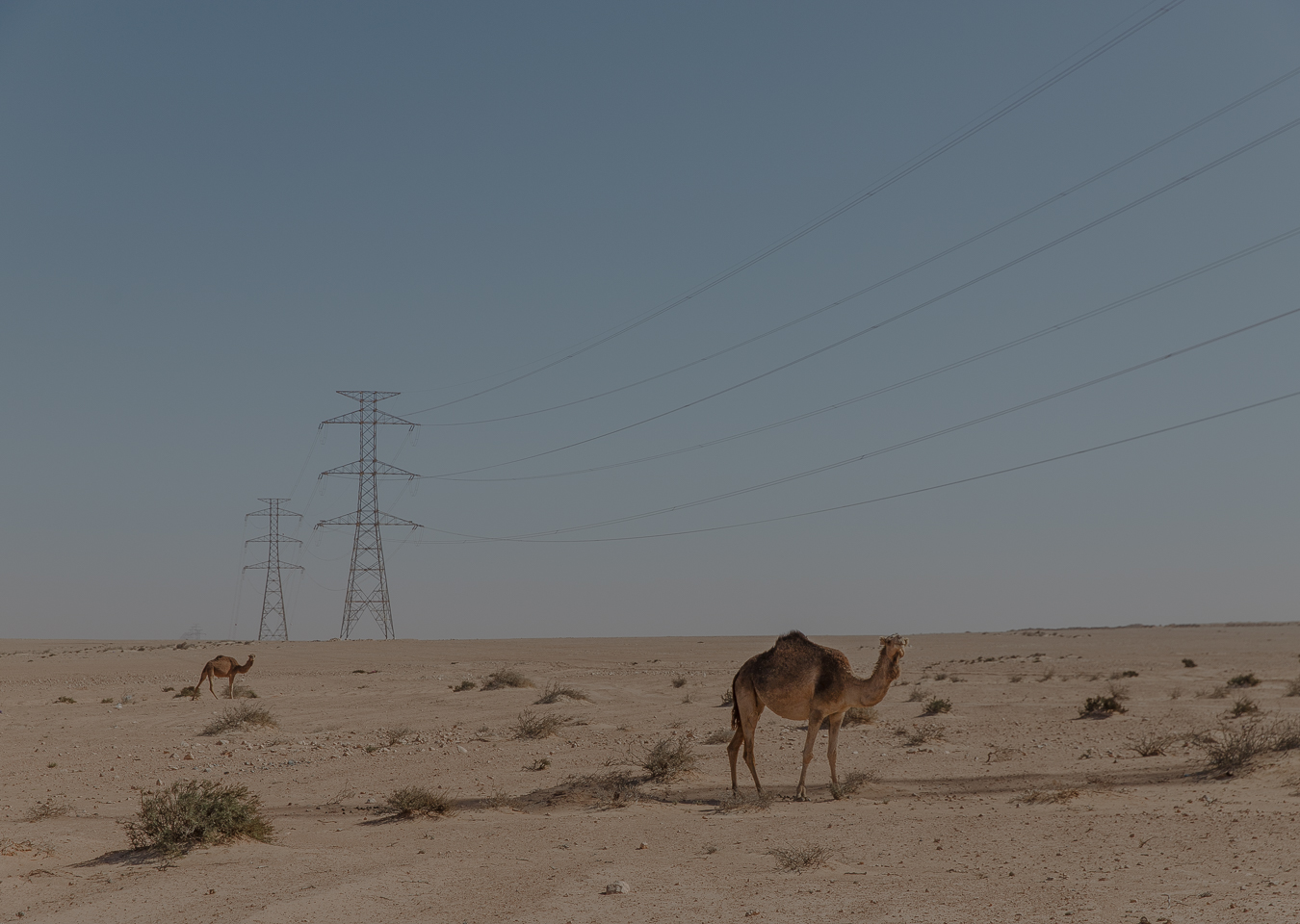
A company closely linked to Morocco’s royal business network has entered a new project in occupied Western Sahara, partnering with a Chinese state-owned electricity giant on high-voltage infrastructure in Boujdour.
Don't let resource exploitation decide Western Sahara's future
Western Sahara Resource Watch calls on the UN to address the accelerating exploitation of the territory’s natural resources - and prevent it from becoming an even greater obstacle to self-determination.
Occupied Western Sahara wind complex expands into Africa's top three
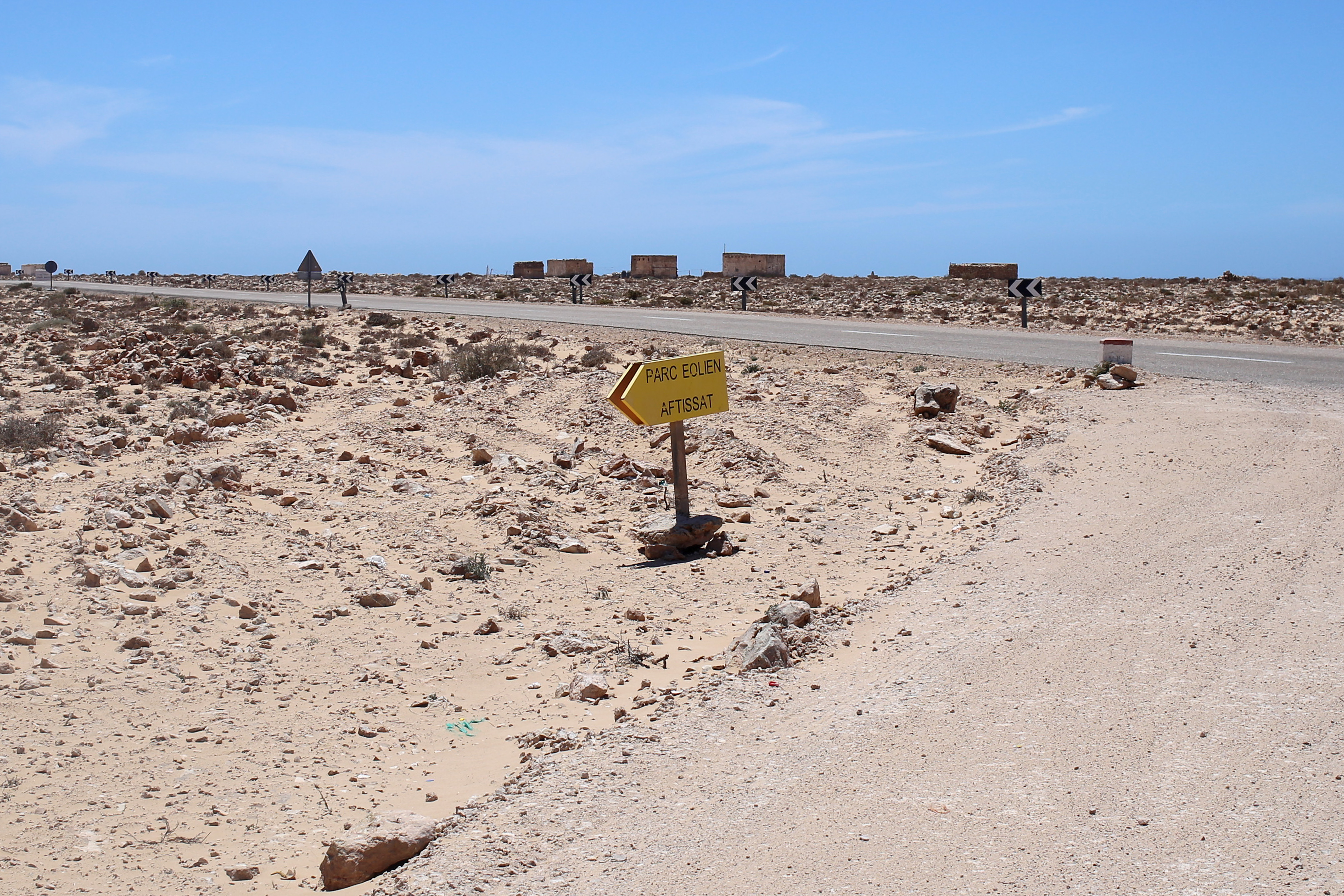
The Moroccan king’s energy company appears to have completed two new phases of the Aftissat wind power complex in occupied Western Sahara.